Pain relievers and hangovers

Advil or Tylenol for a hangover: what to know after drinking

Tylenol or ibuprofen for a hangover? Why acetaminophen and alcohol are a liver concern, why Advil and aspirin can irritate the stomach, and when to ask a pharmacist.

Answer firstSource linksLimits included
Editorial visual about reading labels
Editorial context · not a clinical result
Short answer

Neither Advil nor Tylenol cures a hangover, and both have alcohol warnings. Acetaminophen (Tylenol) is processed by the liver, and alcohol use raises the risk of acetaminophen liver injury, so public-health guidance cautions against it after drinking. Ibuprofen (Advil) and aspirin can ease a headache but add to alcohol's irritation of the stomach and raise bleeding risk. Read the Drug Facts label, never exceed it, and ask a pharmacist if you drink often, take other medicines, or have liver, kidney or stomach problems.

Explore the topic

Two common pain relievers, two different alcohol risks

Updated · Joyrise Science Team

This page is general information, not medical advice. Joyrise sells a dietary supplement, not a pain reliever. Ask a pharmacist or clinician about any medicine you take around alcohol.

01

Tylenol and alcohol: why the liver is the concern

Acetaminophen, the active ingredient in Tylenol, is broken down by the liver. A clinical review of acetaminophen liver injury lists concurrent alcohol use, along with other medicines, genetics and nutrition, among the factors that influence how susceptible someone is and how severe the injury can be. NIAAA's hangover guidance also flags the combination of acetaminophen and alcohol as a liver risk.

Acetaminophen also hides in many cold, flu and sleep products, so it is easy to take more than you realize. If you have been drinking, check every label for acetaminophen and talk to a pharmacist before taking it.

Sources: Bunchorntavakul & Reddy, 2013: Acetaminophen-related hepatotoxicity; Hangovers: causes, remedies, and safety

02

Advil, aspirin and the stomach

Ibuprofen (Advil, Motrin) and aspirin are NSAIDs. They can ease headache and muscle aches, but alcohol already irritates the stomach lining, and NSAIDs add to that. In a large case-control study, aspirin use raised the risk of serious upper stomach bleeding at every level of alcohol intake, and regular ibuprofen use was also linked to higher risk; occasional ibuprofen use was not significantly associated. Heavy drinking raised the risk on its own.

If you choose an NSAID, take it with food and water, follow the Drug Facts label, and skip it if you have had ulcers or stomach bleeding, have kidney problems, take blood thinners, or have been told to avoid NSAIDs.

Sources: Kaufman et al., 1999: Aspirin, ibuprofen, alcohol and stomach bleeding; Hangovers: causes, remedies, and safety

03

Advil or Tylenol: which is better for a hangover?

There is no trial comparing them for hangovers. Public-health guidance cautions against acetaminophen after drinking because of the liver, and notes that aspirin and other NSAIDs may help headache but can irritate the stomach. For many healthy adults after an occasional night out, that guidance points toward an NSAID taken with food, if a pain reliever is needed at all. For people who drink often or have liver, kidney or stomach conditions, the answer is individual: ask a pharmacist.

Research on hangover biology fits with this picture: inflammation is the factor most closely tied to hangover severity, and drugs that block prostaglandins have shown some effect in small studies. That does not make any over-the-counter pain reliever a hangover cure.

Sources: Hangovers: causes, remedies, and safety; Penning et al., 2010: The pathology of alcohol hangover; Roberts et al., 2022: Pharmacologically active hangover interventions

04

Who should ask before taking either

Talk to a pharmacist or clinician before taking any pain reliever around alcohol if you:

  • Drink most days, or drank heavily last night.
  • Have liver disease, kidney disease, ulcers or a history of stomach bleeding.
  • Take blood thinners, other NSAIDs, or products that contain acetaminophen.
  • Are pregnant or breastfeeding.
  • Still feel drunk: wait, and do not drive.

Sources: Bunchorntavakul & Reddy, 2013: Acetaminophen-related hepatotoxicity; Kaufman et al., 1999: Aspirin, ibuprofen, alcohol and stomach bleeding

05

What else helps a hangover headache

A hangover headache has several causes, including dehydration, poor sleep and inflammation. Water, simple food, a dark quiet room and sleep may help while time does the rest. Read about choosing a sports drink for a hangover and the hangover cure myths that do not help.

  • Confusion, vomiting while barely responsive, slow or irregular breathing, or a person you cannot wake: call 911. That is alcohol poisoning, not a hangover.

Sources: Hangovers: causes, remedies, and safety; Understanding the dangers of alcohol overdose

06

Where Joyrise fits

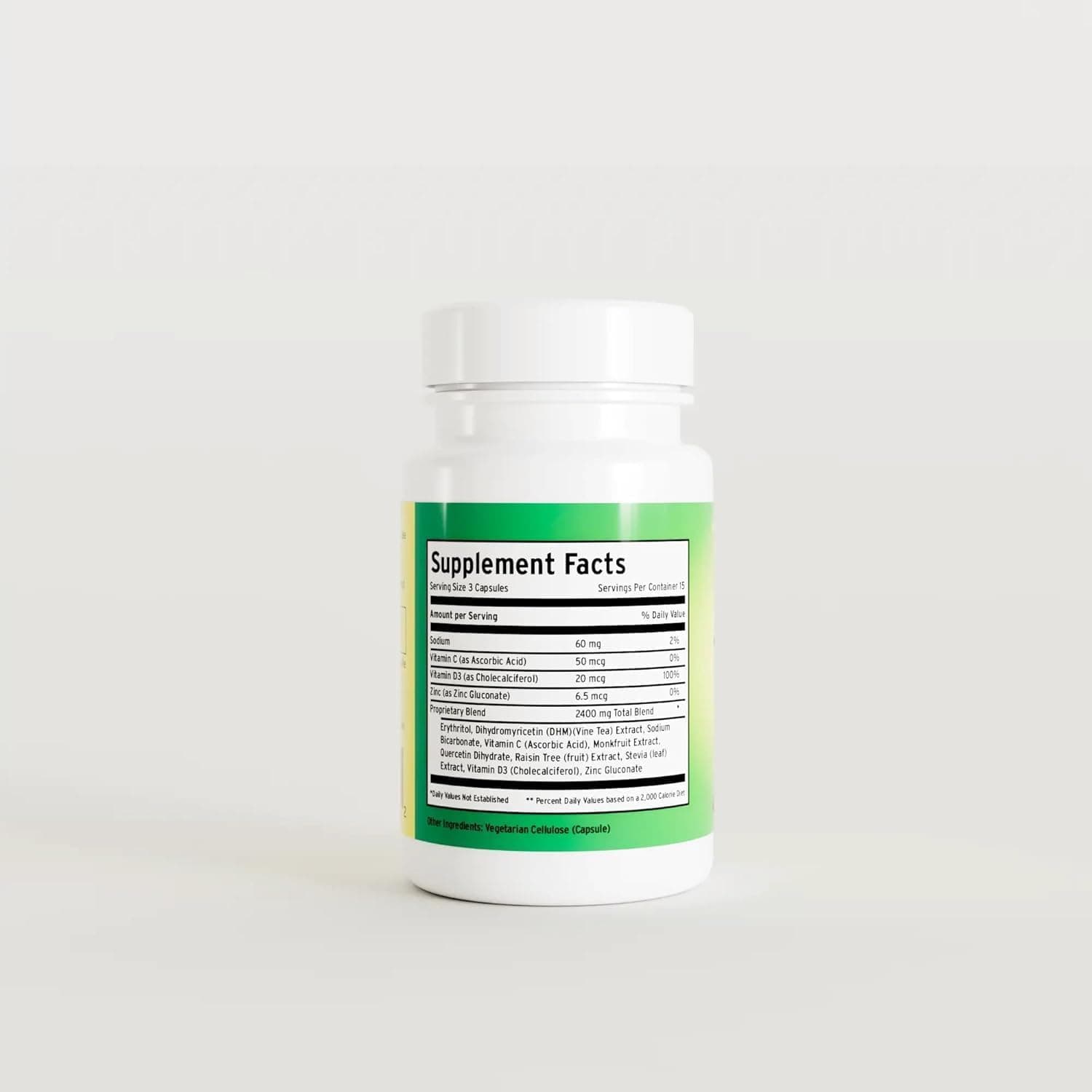
Joyrise is a dietary supplement, not a pain reliever or a substitute for one. Joyrise is an Alcohol Metabolizing Aid: a DHM supplement built around dihydromyricetin. The capsule label says to take 3 capsules while consuming alcohol, or before bed. Do not exceed 3 servings (9 capsules) per day. Much of the alcohol-related DHM evidence is preclinical, and Joyrise does not lower BAC, reverse impairment, or make driving safe. Read the full directions and warnings on our Alcohol Metabolizing Aid capsules page before you buy.

Sources: Joyrise capsules: product page and current label; Shen et al., 2012: DHM and alcohol-related signaling

Common pain relievers and alcohol: what the warnings are about
MedicineExamplesMain concern with alcoholBefore taking
AcetaminophenTylenol; many cold and sleep productsLiver injury riskAsk a pharmacist; check all labels for acetaminophen
Ibuprofen (NSAID)Advil, MotrinStomach irritation and bleedingTake with food; follow Drug Facts
Aspirin (NSAID)Bayer; some hangover tabletsStomach irritation and bleedingAvoid with ulcers or blood thinners
Naproxen (NSAID)AleveStomach irritation and bleedingFollow Drug Facts; ask if unsure

Frequently asked questions

Is it better to take Advil or Tylenol for a hangover?

Public-health guidance cautions against acetaminophen (Tylenol) after drinking because of liver risk, and notes that NSAIDs such as ibuprofen (Advil) can irritate the stomach. If you need a pain reliever, ask a pharmacist which is right for you, and follow the Drug Facts label.

Can you take Tylenol after drinking?

Alcohol use raises the risk of liver injury from acetaminophen, so check with a pharmacist first, especially if you drink often or drank heavily. Check other products you take for hidden acetaminophen.

Can you take ibuprofen with a hangover?

Many healthy adults can, with food and within the Drug Facts label. Alcohol and NSAIDs together raise stomach bleeding risk, so avoid ibuprofen if you have ulcers, kidney problems or take blood thinners.

How long after drinking can I take Tylenol?

There is no single safe waiting time that fits everyone. It depends on how much you drank, how often you drink and your health. Ask a pharmacist.

Is aspirin good for a hangover?

Aspirin may ease a headache, but with alcohol it raises the risk of stomach irritation and bleeding. It is not a hangover cure.

What medicine is good for a hangover?

No medicine cures a hangover. A pain reliever may ease a headache; ask a pharmacist which suits you. Water, food and sleep help while time clears the alcohol.

Joyrise Alcohol Metabolizing Aid. One labeled serving.

Read the label, then choose your format.

Shop Joyrise

Joyrise does not reduce impairment or BAC and does not make drinking safer. Never drink and drive.

A little more ready for your plans

Your cart 0