An alcohol wellness toolkit is a personalized set of practical tools, behavioral strategies, and supportive resources designed to help adults maintain healthier drinking habits and improve overall well-being. The concept draws from evidence-based frameworks used by organizations like Alcohol Change UK, AA step-work programs, and digital platforms like Sober Tracker, combining physical coping items, structured daily routines, and tracking technology into one accessible system. When you build an alcohol wellness toolkit that fits your actual life, you replace reactive decision-making with a pre-planned response to cravings, stress, and social pressure. Joyrise DHM supplements fit naturally into this system as a study-backed tool for supporting alcohol metabolism and next-morning clarity.
What should you include in your alcohol wellness toolkit?
A well-designed toolkit works because it reduces the gap between a craving and a constructive response. Expert consensus recommends 1 to 3 immediate coping items plus a pre-planned next-hour action to interrupt craving escalation before it builds momentum. That structure is the backbone of every effective alcohol recovery toolkit.
Physical items that belong in your kit
The physical layer of your toolkit is what you reach for first. Alcohol Change UK’s Dry January support kitidentifies noise-cancelling headphones, a grounding charm, a favorite book or snack, and a full water bottle as core components. These items are not symbolic. Each one serves a specific function: headphones interrupt environmental triggers, a grounding charm anchors your attention to the present moment, and a snack addresses the blood sugar dip that often accompanies a craving.
Physical toolkit checklist:
Noise-cancelling headphones (for sensory interruption)
A grounding object such as a smooth stone or charm
A printed 5-point grounding exercise (look, listen, touch, smell, taste)
A breathing script for box breathing or 4-7-8 technique
A light stretching routine on a single laminated card
A water bottle and a preferred non-alcoholic beverage
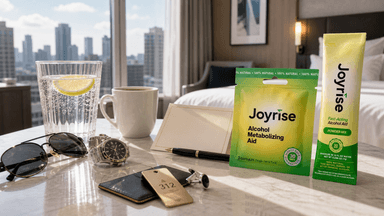
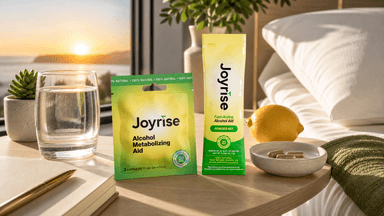
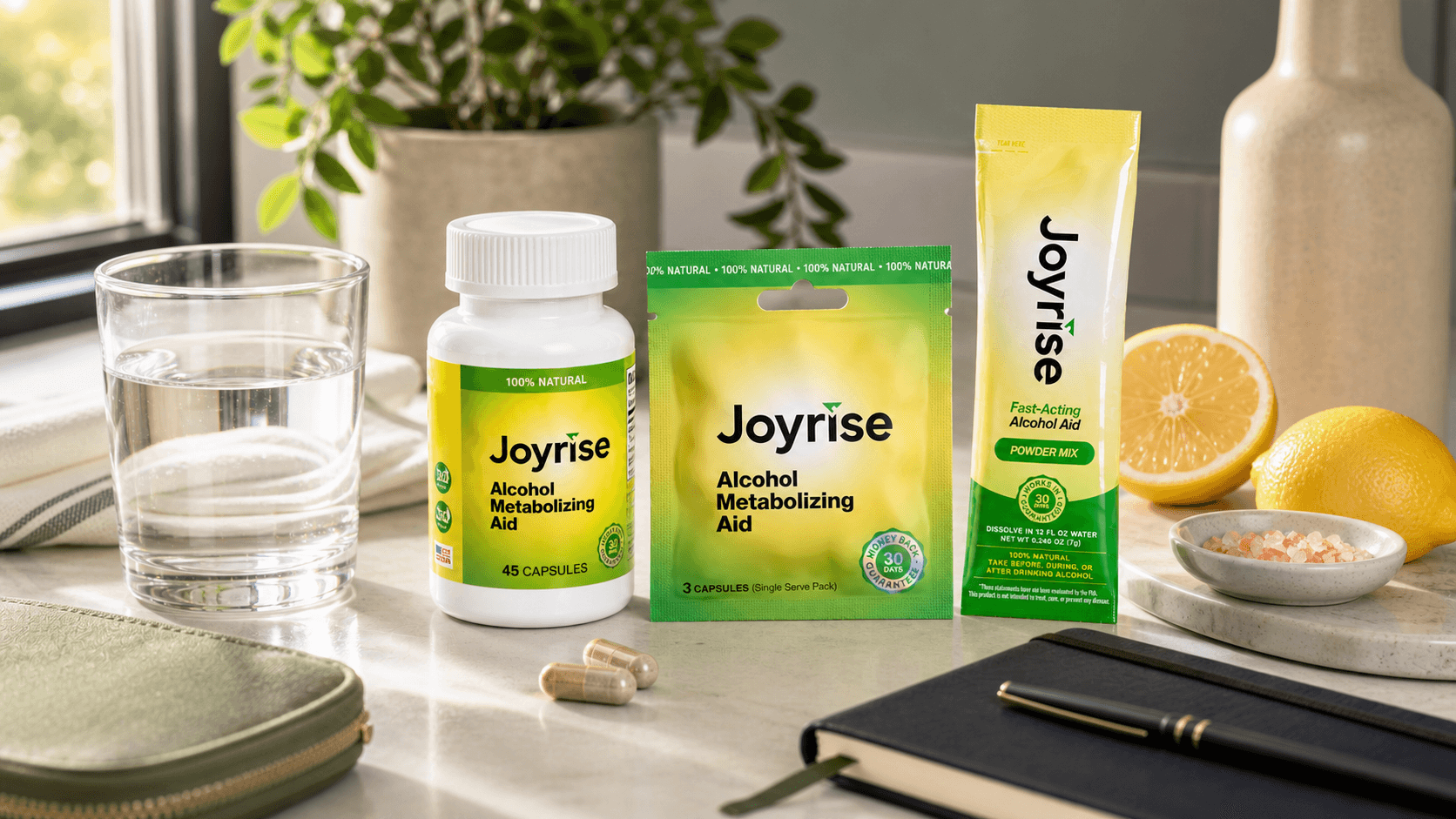
Joyrise DHM supplement capsules for next-morning clarity and liver function support
Digital tools that extend your toolkit
The digital layer handles what physical items cannot: pattern tracking, milestone motivation, and on-demand coping guidance. Sober Tracker is the most fully featured option in this category. The app combines an urge-surfing timer, guided breathing, mood journaling, and a sober day counter into one private, offline-capable platform. It also grows a visual recovery garden tied to sobriety milestones, which turns abstract progress into something you can actually see.
Set Sober Tracker’s urge-surfing timer the moment a craving starts, not after you have already negotiated with yourself for five minutes. The timer creates a structured pause that most people find breaks the craving cycle before it peaks.
How do you build daily routines that reinforce your toolkit?
Physical items and apps only work when they are embedded in a daily operating system. Consistent daily step work combined with peer support produces more durable recovery routines than one-time motivational efforts. Behavior change requires repetition, not inspiration.
The AA Step-Work Starter Kit recommends a daily check-in structure built around four steps:
Notice what you are feeling physically and emotionally right now.
Name the specific emotion or trigger without judgment.
Need — identify what you actually need in this moment (rest, connection, food, movement).
Next action — choose one small, concrete step you can take in the next 15 minutes.
This four-step framework takes under three minutes and builds the self-awareness that makes every other toolkit component more effective. Pair it with 10 minutes of daily journaling focused on triggers, wins, and patterns. Over time, that journal becomes a personal data set that reveals exactly when and why your drinking habits shift.
“Recovery is not a single decision. It is a daily operating system built from small, repeatable actions.” — AA Step-Work Starter Kit framework
Scheduling also matters more than most people expect. The AA Step-Work Starter Kit recommends 3 to 5 meetings weekly for those in active recovery, whether in-person or through platforms like AA Online Intergroup. Peer accountability provides the external structure that self-guided tools cannot fully replace. Think of your toolkit as the personal layer and community as the structural layer. Both are required.
What are the safety limits of a self-guided toolkit?
A self-guided alcohol wellness toolkit is appropriate for adults working to build healthy drinking habits, reduce consumption, or maintain early sobriety with low physical dependence. It is not a substitute for medical supervision when physical dependence is present. Heavy daily drinking elevates withdrawal risk significantly, and withdrawal from alcohol can produce serious medical complications including seizures.
Know when to escalate beyond your toolkit:
You drink heavily every day and experience shaking, sweating, or anxiety when you stop
You have previously experienced withdrawal symptoms or seizures
You are managing co-occurring mental health conditions without clinical support
Your drinking is affecting your ability to work, maintain relationships, or care for dependents
If any of the above apply, contact a medical provider before making changes to your drinking. SAMHSA’s treatment locators at FindTreatment.govprovide confidential, anonymous access to substance use treatment providers across the U.S. at no cost.
Alcohol screening and brief intervention (ASBI) in primary care is another underused resource. Higher ASBI rates correlate with reductionsin risky drinking behaviors, which means a single honest conversation with your doctor can be one of the most effective tools in your entire wellness strategy. Your toolkit and clinical care are not in competition. They work best together.
How does tracking progress sharpen your alcohol wellness strategy?
Tracking transforms vague intentions into measurable behavior. Sober Tracker’s eleven evidence-based coping strategies cover urge surfing, guided breathing, distraction techniques, and cognitive reframing, all available offline and without an account. The app’s health and savings timeline shows users the cumulative physical and financial impact of reduced drinking, which research on behavior change consistently identifies as a powerful motivator.
The data you collect through consistent tracking does something no motivational content can: it shows you your own patterns. Most people discover that their cravings cluster around specific times, places, or emotional states. Once those patterns are visible, your toolkit can be calibrated to address them directly rather than responding generically to every difficult moment.
Review your Sober Tracker journal every Sunday for 10 minutes. Look for the three most common trigger categories from the past week and pre-plan one specific toolkit response for each. This turns reactive coping into a proactive system.
Joyrise DHM (dihydromyricetin), derived from Ampelopsis grossedentata vine tea extract, fits into the tracking layer as well. Users who take Joyrise before or after drinking often report improved next-morning clarity and reduced brain fog, which makes it easier to show up for morning check-ins, journaling, and peer meetings. Supporting alcohol and acetaldehyde metabolismat the cellular level, DHM helps the liver do its job more efficiently, which is the kind of measurable physical support that complements behavioral tracking.
Key takeaways
Building an effective alcohol wellness toolkit requires combining immediate physical coping tools, structured daily behavioral routines, digital tracking, and clear safety pathways into one personalized system.
What building a toolkit actually taught us
At Joyrise, we have spent considerable time studying how people actually use wellness tools versus how they intend to use them. The gap is almost always the same: people build a thoughtful toolkit during a motivated moment and then cannot access it mentally when they need it most.
The fix is not a better toolkit. It is a faster one. The physical items in your kit need to be within arm’s reach, not in a drawer. Your Sober Tracker app needs to be on your home screen, not buried in a folder. Your breathing script needs to be printed and visible, not saved in a notes app you have to unlock and search. Friction is the enemy of coping.
The second thing we have observed is that people underestimate how much community matters relative to individual tools. No toolkit replaces a community. The adults who report the most consistent progress are those who treat their toolkit as the personal layer of a larger system that includes at least one regular peer accountability relationship. That could be an AA sponsor, a trusted friend, or a therapist. The toolkit handles the moments between those connections.
Finally, your toolkit should evolve. What works in month one rarely looks identical to what works in month six. Review your kit quarterly, retire what you no longer use, and add tools that match where you are now. A static toolkit becomes invisible over time.
— Joyrise
How Joyrise DHM fits into your wellness toolkit
Joyrise DHM is a patented dihydromyricetin supplement derived from vine tea extract, positioned as a natural complement to the behavioral and digital tools in your alcohol wellness toolkit. Study-backed mechanisms include support for alcohol and acetaldehyde metabolism, liver function, antioxidant Nrf2 response, and next-morning cognitive clarity. These are not cure claims. They are specific, measurable support functions that make it easier to show up for your daily check-ins and peer meetings feeling clear-headed.
Explore Joyrise DHM for hangover relief supportor the daily DHM supplementfor ongoing liver health and mental clarity support. For the full science behind dihydromyricetin, visit the Joyrise science page. Joyrise is not a treatment or a replacement for professional care. It is one well-researched tool in a toolkit you build for yourself.
FAQ
What is an alcohol wellness toolkit?
An alcohol wellness toolkit is a personalized collection of physical coping items, behavioral frameworks, and digital tools designed to support healthier drinking habits and emotional well-being. It typically includes grounding exercises, breathing scripts, tracking apps like Sober Tracker, and supportive supplements.
How many items should be in my toolkit?
Expert consensus recommends 1 to 3 immediate coping items plus one pre-planned next-hour action as the core structure. Keeping the toolkit small and fast to access is more effective than building an elaborate system you cannot use under stress.
When should I seek professional help instead of using a self-guided toolkit?
Seek medical supervision if you drink heavily every day, have experienced withdrawal symptoms before, or notice shaking and anxiety when you stop drinking. SAMHSA’s FindTreatment.govprovides confidential access to treatment providers across the U.S.
Can Joyrise DHM be part of an alcohol wellness toolkit?
Yes. Joyrise DHM supports alcohol metabolism, liver function, and next-morning clarity at the cellular level, making it a practical physical addition to any wellness toolkit. It is a supplement, not a treatment, and works best alongside behavioral strategies and peer support.
How does tracking sobriety improve long-term outcomes?
Digital tracking tools that combine evidence-based coping strategies and milestone visualization can significantly enhance motivation and self-efficacy in recovery. Apps like Sober Tracker reveal trigger patterns over time, allowing you to calibrate your toolkit to your specific habits rather than relying on generic coping strategies.
Recommended
The Silent Protector: DHM Beyond Alcohol
Joyrise Hangover Relief Capsules | Patented DHM Alcohol Support
DHM for Hangover Relief Support | Joyrise
Travel Hangover Relief Support | Joyrise
Designed for alcohol metabolism support. Made by Joyrise®.
Related: the science/ what is DHM/ DHM hangover relief/ hangover relief capsules.
Important: These statements have not been evaluated by the FDA. Joyrise is not intended to diagnose, treat, cure, or prevent any disease. Follow the exact product label. Joyrise does not reduce impairment or BAC.
Source trail
References and further reading.
Links are preserved from the article so readers can inspect the underlying material. A link does not mean every finding applies to Joyrise or predicts a finished-product outcome.
Suggested citation
Joyrise Science Team. “Build an Alcohol Wellness Toolkit for Healthier Habits.” The Joyrise Journal, June 7, 2026. https://www.joyrise.com/blog/build-an-alcohol-wellness-toolkit-for-healthier-habits