Most people drink water and assume they are hydrated. The reality is more nuanced. Understanding how supplements support hydration balance means recognizing that water is the medium, not the mechanism. Electrolytes, osmotic agents, and synergistic nutrients are what actually regulate fluid movement at the cellular level, determining whether the water you drink ends up where your body needs it. This guide breaks down the physiology, the science-backed supplement categories, and the practical strategies that health-conscious adults can use to genuinely improve hydration outcomes.
Table of Contents
How supplements support hydration balance at the cellular level
Types of supplements that improve hydration
When and how to use hydration supplements
Advanced supplementation: what the emerging research shows
Common myths about hydration supplements
My take on hydration: what most guides get wrong
Supporting wellness from the inside out
Key takeaways
How supplements support hydration balance at the cellular level
The body does not simply store water in a tank. Fluid is distributed across compartments: blood plasma, interstitial spaces, and inside cells. What governs movement between those compartments is osmotic pressure, and osmotic pressure is driven by electrolytes.
Sodium is the primary electrolyte in extracellular fluid. It controls blood volume, blood pressure, and the osmotic gradient that pulls water from the gut into the bloodstream. Potassium dominates inside cells, working in opposition to sodium to maintain the electrochemical balance that powers nerve impulses and muscle contractions. Magnesium supports over 300 enzymatic reactions, including the ones that regulate fluid retention and energy production.
Here is where supplements become relevant. When electrolyte concentrations drop, whether through heavy sweating, illness, or chronic low intake, the kidneys compensate by either retaining or excreting fluid. Without adequate electrolytes, plasma osmolality drops, and the kidneys respond by excreting more water rather than distributing it to tissues. You drink, you urinate, and you stay functionally dehydrated.
True cellular hydrationis not achieved by water volume alone. It requires the precise electrolyte ratios that move fluid into cells and keep it there. For conditions involving autonomic dysfunction, like POTS or Long COVID, a targeted sodium to potassium ratio of 1:1 has shown meaningful clinical relevance.
Sodium (400 to 1,000 mg per liter of sweat lost): drives water absorption in the small intestine
Potassium (100 to 300 mg): maintains intracellular fluid volume and nerve function
Magnesium (200 to 400 mg daily): regulates cellular fluid retention and reduces cramping
Start your morning with a glass of water containing a small pinch of sea salt and a squeeze of lemon. This simple habit delivers sodium, potassium, and a light osmotic push before you have eaten or exercised.
Types of supplements that improve hydration
Supplements for hydration fall into three broad categories: electrolyte minerals, osmotic agents, and synergistic compounds. Each works through a distinct mechanism, and understanding the difference helps you choose the right tool for the right situation.
Electrolyte supplements
These are the foundation. A quality electrolyte supplement delivers sodium, potassium, and magnesium in ratios that mirror what your body loses through sweat and urine. Balanced formulationsideally contain all three core minerals without excessive sugar or artificial fillers. Electrolyte balance is also foundational for hormone signaling and muscle function, not just fluid movement.
Osmotic agents: glycerol and sodium bicarbonate
Glycerol is a naturally occurring compound that acts as an osmotic agent, drawing water into body tissues and blood plasma. Sodium bicarbonate (baking soda in its pharmaceutical form) serves as a blood buffer, reducing the acidity that accumulates during intense exercise. Used separately, each has modest effects. Used together, the impact is measurably stronger.
Creatine
Creatine is best known for muscle energy, but its role in cellular hydration is underappreciated. Creatine absorption depends on sodium balance, and when paired with electrolytes, it supports both endurance and post-exercise muscle recovery. The combination promotes water retention inside muscle cells, which reduces soreness and speeds functional recovery.
When evaluating electrolyte products, check the sodium content first. Many popular drinks contain under 100 mg of sodium per serving. That is too low to meaningfully support fluid retention during exercise. Look for at least 300 to 500 mg per serving for active use.
When and how to use hydration supplements
Knowing the importance of hydration supplements is one thing. Knowing when to actually take them is where most people get tripped up.
Who genuinely benefits
Healthy adults exercising under one hourtypically do not need electrolyte supplements. The body loses up to 2% of its body weight in sweat before performance noticeably declines, and for moderate activity, water and food replace what is lost. Supplementation moves from optional to meaningful in these situations:
Endurance athletes: Anyone training for more than 60 to 90 minutes continuously, especially in heat, is losing sodium faster than food alone replaces it.
Heavy sweaters: Some individuals lose two to three times more sodium per liter of sweat than average, making routine electrolyte replacement genuinely necessary.
Sauna users: Repeated sauna sessions drive significant fluid and mineral losses without the appetite cues that follow physical exertion.
Illness recovery: Vomiting and diarrhea deplete electrolytes rapidly. Oral rehydration solutions work far better than plain water in these contexts.
Specific clinical conditions: People managing POTS, adrenal insufficiency, or Long COVID often require medical-grade electrolyte protocols.
Timing around activity
For workouts lasting over 60 minutes, consume electrolytes 20 to 30 minutes before starting. This pre-loads plasma sodium and delays the point at which performance degrades. During prolonged sessions, a 16 to 24 oz electrolyte drink per hour is a practical target for most people in moderate heat.
Post-exercise, pair electrolytes with carbohydrates. Glucose co-transports sodium in the gut, meaning the combination speeds absorption compared to electrolytes alone. This is the physiological reason sports drinks contain both sugar and salt, though the sugar content in many commercial products far exceeds what the absorption mechanism actually requires.
Consistent fluid intake throughout the day maintains cellular hydration more effectively than large amounts consumed at once. The kidneys process roughly 800 mL to 1 liter per hour. Drinking 32 oz of water in five minutes does not hydrate faster. It creates a urination event.
For morning recovery after a late night or alcohol consumption, an electrolyte drink before bed and another upon waking restores plasma volume more effectively than water alone, since alcohol accelerates sodium and potassium excretion.
Advanced supplementation: what the emerging research shows
The most interesting developments in hydration science right now involve combining osmotic agents rather than relying on single ingredients. Combined glycerol and sodium bicarbonate ingestionimproves fluid retention earlier and strengthens blood buffering capacity without increasing gastrointestinal symptoms.
That last point matters. GI distress is the most common reason endurance athletes abandon sodium bicarbonate protocols. The research suggests that when glycerol is present, the buffering benefits of bicarbonate are maintained while the stomach tolerates the load better.
“Combined osmotic and buffering supplementation represents one of the more practical evidence-backed strategies for athletes and professionals who need to sustain output in hot, demanding conditions.” (PLOS One, 2024)
Practically, this research applies beyond elite sport. Occupational athletes — construction workers in summer heat, firefighters, warehouse workers — face the same physiological demands as endurance runners over long shifts. The same principles of pre-loading with glycerol and electrolytes apply.
Common myths about hydration supplements
The supplement market for hydration has expanded faster than public understanding of it. That gap creates real problems for consumers trying to make smart choices.
Myth: Everyone needs daily electrolyte supplements. The body efficiently regulates electrolyte balanceacross a wide range of activities through hormonal mechanisms, primarily aldosterone and antidiuretic hormone. For sedentary or lightly active adults eating a normal diet, supplementing electrolytes daily adds cost and mineral excretion, not measurable hydration benefit.
Myth: More electrolytes mean better hydration. Excess sodium raises blood pressure in salt-sensitive individuals. Excess potassium strains kidney function in people with renal conditions. Balance and context matter far more than quantity.
Myth: Colorful sports drinks are quality hydration supplements. Many commercial hydration drinks contain 20 to 34 grams of sugar per serving and minimal sodium. The best supplements for water balance use clean ingredient lists, meaningful mineral doses (not trace amounts), and no artificial dyes or sweeteners that add no functional value.
Here is what to look for when selecting a hydration supplement:
Sodium content of at least 300 mg per serving for active use
Potassium between 100 and 300 mg per serving
Magnesium included, not just sodium and potassium alone
Sugar under 5 grams per serving for daily use (higher is acceptable for race-day fueling)
No proprietary blends that hide actual mineral doses
Third-party testing certification where possible
Integrating hydration supplements within a balanced diet also means not treating them as replacements for food. Whole foods like bananas, avocados, leafy greens, and dairy naturally deliver potassium, magnesium, and calcium alongside fiber and micronutrients that no powder can fully replicate. Supplements fill gaps. They do not replace the foundation.
My take on hydration: what most guides get wrong
I’ve spent years watching the hydration conversation stay stuck on the same surface-level advice. Eight glasses a day. Drink more water. The fundamentals are not wrong, but they are incomplete in ways that leave a lot of people genuinely confused about why they still feel sluggish, crampy, or foggy despite drinking plenty of fluids.
What I’ve learned is that the water-only paradigm underestimates how hard the body works to maintain electrolyte balance. Most people are not electrolyte-deficient in a clinical sense. But the gap between “not deficient” and “genuinely optimized” is wider than standard advice suggests, especially for anyone training seriously, working in physical conditions, or recovering from a night that involved alcohol.
The creatine and electrolyte synergy is the most overlooked insight in the recovery conversation. Most people taking creatine do not realize that sodium balance directly affects how well it absorbs. You can do everything right with creatine timing and dosing and still under-perform if your sodium intake is too low to support the uptake mechanism.
My honest advice: stop chasing hydration volume and start thinking about hydration quality. Spaced intake throughout the day. Electrolytes matched to your actual output. And a willingness to experiment, because individual sweat rates and electrolyte losses vary more than any generic guideline accounts for.
— Joyrise
Supporting wellness from the inside out
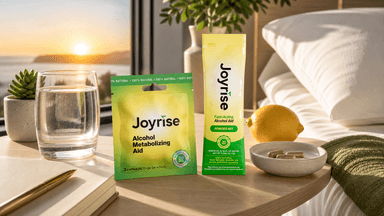
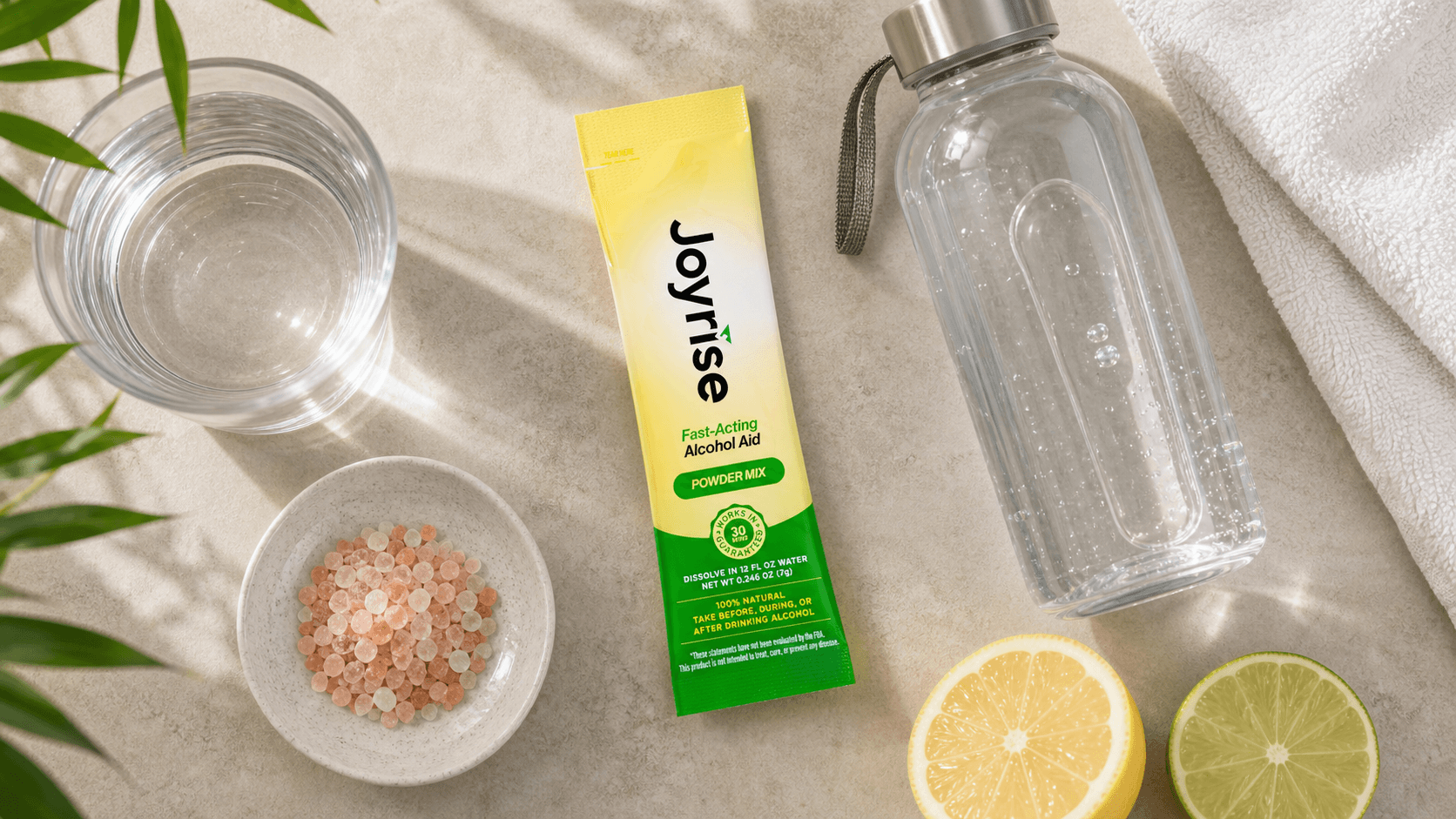
Hydration is one piece of the broader wellness picture. At Joyrise, we think about how the body processes and recovers from the demands you place on it, including the ones that come with socializing and drinking. Our patented DHM formulais built on peer-reviewed science, designed to support alcohol metabolism, liver function, and next-morning clarity for adults 21 and older. If you are already thinking carefully about how electrolytes and supplements support your body’s balance, it makes sense to apply the same evidence-based thinking to how you recover after drinking. Explore the full Joyrise DHM capsulesline to see how science-backed supplementation fits into a wellness routine that does not cut corners.
FAQ
What do electrolytes actually do for hydration?
Electrolytes like sodium, potassium, and magnesium regulate osmotic pressure, which controls how water moves into and out of cells. Without adequate electrolytes, the kidneys excrete water rather than distributing it to tissues.
Do you need hydration supplements if you drink enough water?
Not necessarily. For most healthy, lightly active adults, a balanced diet provides sufficient electrolytes. Supplements become beneficial during exercise lasting over 60 minutes, heavy sweating, illness, or specific health conditions that affect fluid regulation.
What are the best supplements for water balance?
Electrolyte minerals (sodium, potassium, magnesium), glycerol, and sodium bicarbonate are the most evidence-backed options. Creatine combined with electrolytes also supports intracellular hydration and muscle recovery when used consistently.
Can you over-supplement with electrolytes?
Yes. Excess sodium raises blood pressure in salt-sensitive individuals, and too much potassium can strain kidney function. The body regulates electrolyte levels efficiently in most contexts, so supplementation beyond actual needs leads to excretion, not additional benefit.
How is glycerol different from standard electrolyte drinks?
Glycerol is an osmotic agent that draws water into blood plasma and body tissues rather than just replacing minerals. Combined with sodium bicarbonate, it improves both fluid retention and blood buffering capacity, making it particularly useful for endurance performance and heat exposure.
Recommended
What Is DHM? The Science of Dihydromyricetin | Joyrise®
Joyrise® Fast Acting Relief & Recovery Drink Mix | Joyrise®
Joyrise vs Morning Recovery: Capsules vs Drink
Why Most DHM Supplements Don’t Work
Built for after-drinking hydration support. Made by Joyrise®.
Related: the science/ what is DHM/ DHM hangover relief/ hangover relief capsules.
Important: These statements have not been evaluated by the FDA. Joyrise is not intended to diagnose, treat, cure, or prevent any disease. Follow the exact product label. Joyrise does not reduce impairment or BAC.
Source trail
References and further reading.
Links are preserved from the article so readers can inspect the underlying material. A link does not mean every finding applies to Joyrise or predicts a finished-product outcome.
- plasma osmolality dropshealthrine.com · Secondary or commercial source
- True cellular hydrationrthm.com · Secondary or commercial source
- Balanced formulationseuropesays.com · Secondary or commercial source
- Healthy adults exercising under one hourverywellhealth.com · Secondary or commercial source
- Combined glycerol and sodium bicarbonate ingestionjournals.plos.org · Secondary or commercial source
- body efficiently regulates electrolyte balancenbcmiami.com · Secondary or commercial source
Suggested citation
Joyrise Science Team. “How Supplements Support Hydration Balance Effectively.” The Joyrise Journal, May 30, 2026. https://www.joyrise.com/blog/how-supplements-support-hydration-balance-effectively