
Evidence and responsible choices
Hangover prevention: what science actually supports
Choosing not to drink is the clearest way to avoid an alcohol-related hangover. Drinking less can reduce risk, but no supplement, drink order, or bedtime ritual guarantees prevention. Plan around alcohol exposure, sleep, and a safe way home. A product should not be the part of the plan that makes another drink seem harmless.
Decide on alcohol before deciding on a supplement
A prevention plan starts with whether to drink and how to keep intake low. A supplement does not create a safe allowance for extra drinks. Choose an alcohol-free option when you need to drive, when medication or a medical condition makes drinking unsuitable, or when avoiding symptoms is the priority. The practical decision is about exposure, not finding a product to cancel it.
The NIAAA strategies for cutting down include setting goals and keeping track of drinking. Write your plan before the event, choose an alternative you will actually enjoy, and decide how you will respond when another round is offered. Review what worked afterward rather than relying on a promise about the next morning.
Make food and nonalcoholic options easy
Arrange a meal and keep water or another nonalcoholic drink available. These choices can support pacing and comfort, but food and water do not reverse alcohol already absorbed. A plan is easier to follow when the alternatives are already in reach. At a dinner or event, decide what you will order before another round is offered.
NHS guidance on reducing alcohol intake recommends limiting the amount on an occasion, drinking more slowly with food, and planning a safe journey home. Treat those steps as practical ways to manage exposure, rather than guarantees that you will have no symptoms. You can also choose an alcohol-free evening.
Protect the hours after the event
Alcohol can disrupt sleep even when it initially makes someone sleepy. Leave time for rest and avoid assuming that going to bed guarantees a normal morning. Plan transportation in advance and avoid demanding or safety-sensitive tasks while impaired or unwell. A recovery schedule should not depend on a supplement making you fit to drive or work.
Research on sleep after heavy alcohol consumption links disrupted rest with next-day fatigue. For practical context, read our hangover recovery guide and guide to how long symptoms may last. Neither provides a timetable for deciding that driving is safe.
Reject drink-order and morning-drink rules
The order of beer, wine, and spirits is not a reliable prevention method. The amount of alcohol matters, and drinking again the next morning can prolong exposure and symptoms. Coffee and cold showers are not ways to shortcut recovery. Feeling stimulated or temporarily more comfortable is different from recovering from alcohol's effects.
NIAAA's hangover guidance explains these common misconceptions. Keep the plan focused on choices you can make before and during the occasion. For the broader evidence question, see is there a hangover cure?, an educational explanation of symptoms and the limits of proposed remedies.
Put a hangover relief aid in a realistic place
DHM is an ingredient studied in alcohol-related research, including animal and laboratory work. Those findings do not guarantee that taking a supplement before drinking changes your next-day experience. The current label and the evidence for the actual preparation matter more than transferring a research result from a different setting.
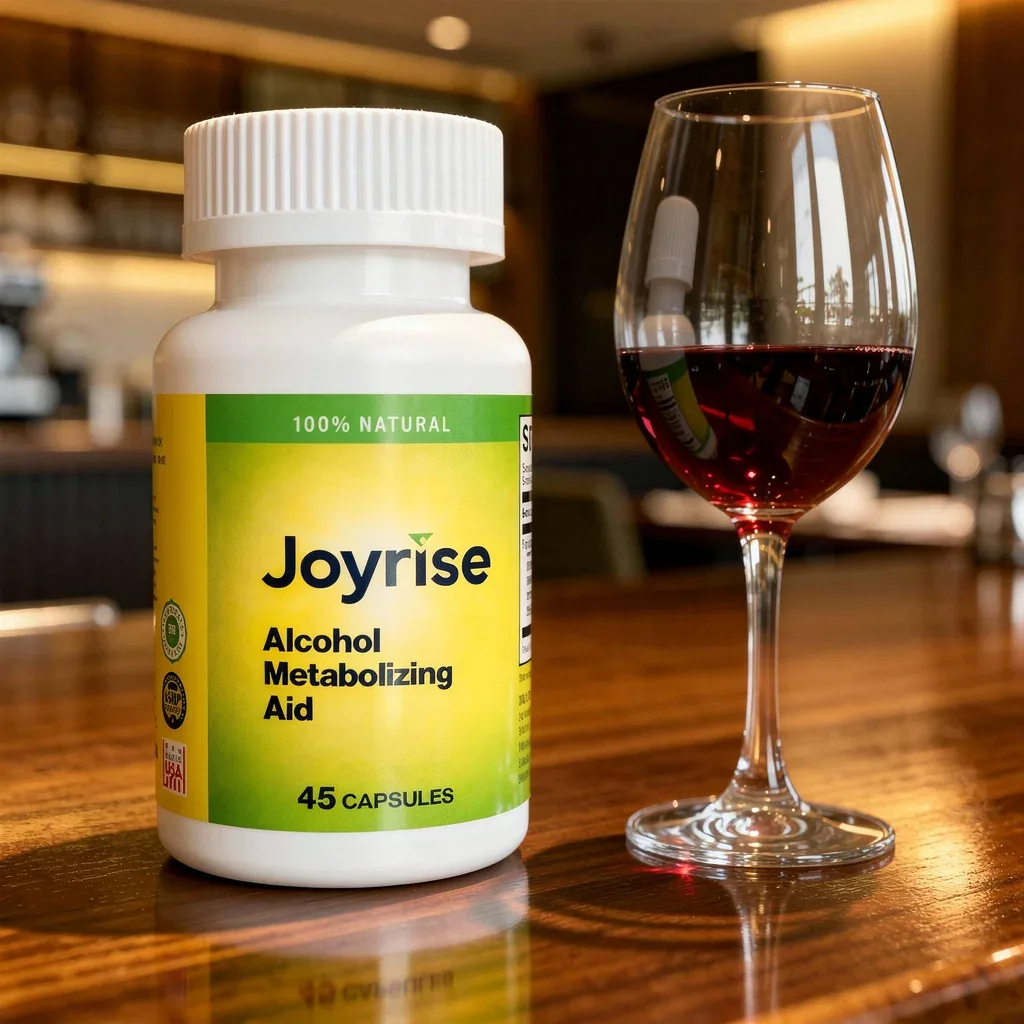
Joyrise uses the packaging terms hangover relief aid and alcohol metabolizing aid. If you choose a supplement, follow the current label for the exact format. Do not add servings to compensate for additional alcohol. Compare directions and limits in the hangover relief aid capsules guide; the product description is not a guaranteed outcome.
Review patterns that keep repeating
Repeated next-day illness, anxiety, or interference with responsibilities is a reason to reconsider drinking and speak with a clinician. The next step may involve reducing alcohol or getting support, not changing supplements. Record which situations make your plan difficult and discuss a realistic adjustment with someone who can help.
If stopping after prolonged heavy drinking causes concerning symptoms, seek medical guidance. NIAAA notes that alcohol withdrawal can be dangerous. That situation is different from an ordinary supplement comparison. Do not assume a capsule, a hydration routine, or information on this page can replace clinical assessment.
Frequently asked questions
Can water guarantee that I will not get a hangover?
No. Hydration is one part of a plan, and does not erase every effect of alcohol or undo disrupted rest.
Does taking a supplement first make extra drinks safe?
No. A supplement is not a safe allowance for extra alcohol and must not be used to decide that driving is safe.
Does the order of drinks matter more than the total?
Drink order is not a reliable prevention strategy. NIAAA's guidance places greater emphasis on the amount consumed than the familiar beer-versus-liquor rule.
What should an event-day plan include?
An alcohol-free option, food, a plan to keep intake low, time for rest, and transportation that does not depend on driving after drinking.
Sources
Research and agency guidance used for this educational article. A study of an ingredient is not a study of a finished Joyrise product.