Alcohol and dehydration

Does alcohol dehydrate you? Yes, and here is how.

Alcohol is a diuretic: it suppresses vasopressin so you urinate more. How much beer, wine and spirits dehydrate you, the symptoms, and what actually helps.

Answer firstSource linksLimits included
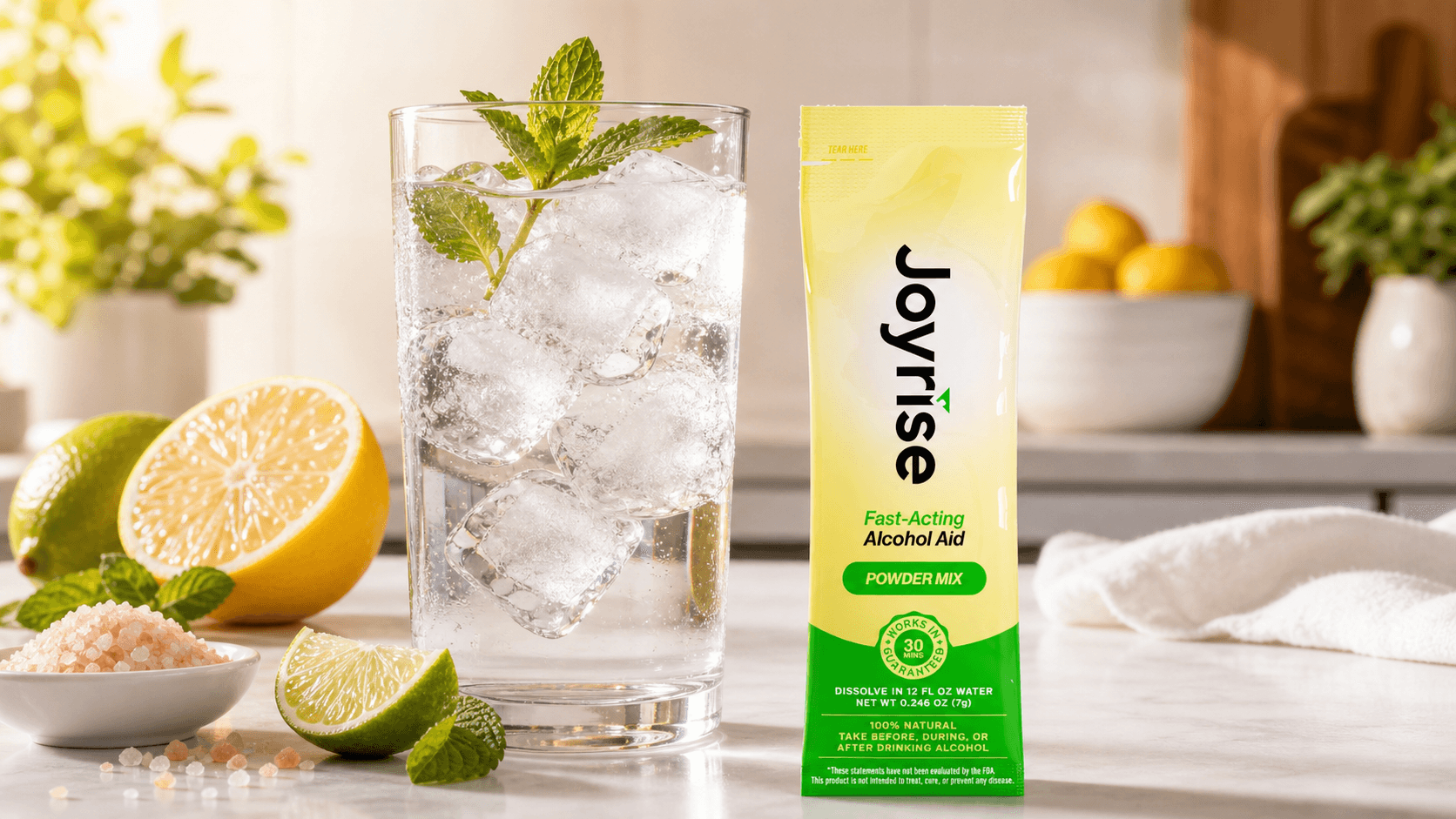
Editorial visual for alcohol and dehydration
Editorial context · not a clinical result
Short answer

Yes. Alcohol is a diuretic: it suppresses vasopressin, the hormone that tells your kidneys to hold on to water, so you urinate more while you drink. Controlled studies show the effect is real but modest and short-lived: stronger drinks such as wine and spirits raised urine output for a few hours, while beer often did not. Dehydration explains your thirst the next day, but only part of a hangover.

Explore the topic

How alcohol moves water out of your body, and how much it matters

Updated · Joyrise Science Team

01

Is alcohol a diuretic?

Yes. Normally your brain releases vasopressin, also called antidiuretic hormone, when your body needs to conserve water. Alcohol suppresses that signal, so your kidneys send more water to the bladder than they otherwise would. That is why the queue for the bathroom grows as the night goes on.

The effect is strongest while you are drinking and blood alcohol is rising. It is one of several ways alcohol affects the body that researchers have linked to the morning after, alongside sleep disruption, stomach irritation and changes in blood sugar.

Sources: Swift & Davidson, 1998: Alcohol hangover, mechanisms and mediators; Hangovers: causes, remedies, and safety

02

Does beer dehydrate you?

Less than people assume, because beer is mostly water. In one randomized trial, well-hydrated men who drank a litre of 4% beer produced more urine over four hours than when they drank the same beer without alcohol: about 1,280 ml against 1,120 ml. When the same men were already dehydrated, the difference shrank and was not statistically significant, which suggests the body blunts alcohol's diuretic effect when it is short on water.

A larger hydration trial found that lager was retained about as well as still water over four hours. And in a crossover trial in older men, beer and alcohol-free beer produced the same urine output. Beer still adds alcohol your body has to clear, so it is not a hydration drink, but it is not the dehydrating disaster it is often made out to be.

Sources: Hobson & Maughan, 2010: Hydration status and the diuretic action of alcohol; Maughan et al., 2016: A beverage hydration index (13 drinks compared); Polhuis et al., 2017: Diuretic action of beer, wine and spirits

03

Do wine and liquor dehydrate you more?

Stronger drinks deliver more alcohol with less water. In the crossover trial, a moderate amount of alcohol (30 grams) taken as wine or spirits raised urine output over the first four hours compared with the same volume of alcohol-free wine or water. By 24 hours, total urine output was no different. In other words, the diuretic push from stronger drinks is real, small and short.

Over a long night the doses add up, and so does the fluid you are not drinking. That is the practical reason to alternate drinks with water.

Sources: Polhuis et al., 2017: Diuretic action of beer, wine and spirits

04

Symptoms of alcohol dehydration

Mild dehydration after drinking usually shows up as:

  • Thirst and a dry mouth.
  • Headache and tiredness.
  • Darker urine, or less of it than usual.
  • Light-headedness when you stand up quickly.
  • Confusion, vomiting while barely responsive, slow or irregular breathing, or a person you cannot wake: call 911. That is alcohol poisoning, not a hangover.

Sources: Hangovers: causes, remedies, and safety; Understanding the dangers of alcohol overdose

05

How much does dehydration cause a hangover?

Less than the folklore suggests. When researchers compared blood and urine from people the morning after drinking with how hungover they felt, markers of dehydration such as vasopressin, and electrolyte levels, were not significantly related to hangover severity. Immune signaling showed the clearest link, and poor sleep made things worse.

So rehydrating can fix the thirst and dry mouth without fixing the hangover. That is also why sports drinks and electrolyte mixes are not hangover cures; see electrolytes for a hangover for the evidence.

Sources: Penning et al., 2010: The pathology of alcohol hangover; Ayre et al., 2021: Hangover severity, sleep and cognitive performance

06

How to stay hydrated when drinking

Simple habits do more than any product:

  • Eat a meal before you start; food slows how fast alcohol is absorbed.
  • Alternate each alcoholic drink with a glass of water.
  • Choose lower-strength drinks and pace yourself.
  • Drink water before bed and again when you wake up.

Sources: How the body metabolizes alcohol; Hangovers: causes, remedies, and safety

07

Where Joyrise fits

No supplement replaces water. Joyrise is an Alcohol Metabolizing Aid: a DHM supplement built around dihydromyricetin. The capsule label says to take 3 capsules while consuming alcohol, or before bed. Do not exceed 3 servings (9 capsules) per day. Much of the alcohol-related DHM evidence is preclinical, and Joyrise does not lower BAC, reverse impairment, or make driving safe. Read the full directions and warnings on our Alcohol Metabolizing Aid capsules page before you buy.

Sources: Joyrise capsules: product page and current label; Shen et al., 2012: DHM and alcohol-related signaling

What controlled trials found about alcohol and urine output
Drink testedCompared withResultStudy
1 L beer, 4% alcohol (hydrated men)Same beer, alcohol-freeMore urine over 4 hoursHobson & Maughan, 2010
1 L beer, 4% alcohol (dehydrated men)Same beer, alcohol-freeNo significant differenceHobson & Maughan, 2010
1 L lager1 L still waterNo difference over 4 hoursMaughan et al., 2016
Wine or spirits, 30 g alcoholAlcohol-free wine or waterMore urine over 4 hours; no difference at 24 hoursPolhuis et al., 2017
Beer, 30 g alcoholAlcohol-free beerNo differencePolhuis et al., 2017

Frequently asked questions

Does alcohol dehydrate you?

Yes. Alcohol suppresses vasopressin, the antidiuretic hormone, so you urinate more while you drink. Controlled trials show the effect is modest and short-lived, and stronger drinks have a bigger effect than beer.

Is alcohol a diuretic?

Yes. Alcohol increases urine output by suppressing the hormone that tells the kidneys to conserve water.

Does beer dehydrate you?

Beer is mostly water, and in trials its net effect on hydration was small. Lager was retained about as well as water over four hours in one trial, though a 4% beer produced more urine than alcohol-free beer in well-hydrated men.

Why does alcohol make you thirsty the next day?

You lose extra water through urine while drinking, and you usually drink less water than normal. Thirst and a dry mouth are the result.

How do you rehydrate after drinking alcohol?

Drink water steadily, eat simple food if you can, and rest. An oral rehydration solution can help after vomiting. None of these lowers BAC.

Is dehydration the cause of a hangover?

Only partly. Studies did not find that dehydration markers or electrolyte levels track hangover severity. Sleep disruption, immune signaling and acetaldehyde also play a part.

Joyrise Alcohol Metabolizing Aid. One labeled serving.

Read the label, then choose your format.

Shop Joyrise

Joyrise does not reduce impairment or BAC and does not make drinking safer. Never drink and drive.

A little more ready for your plans

Your cart 0