Electrolytes and hangovers

Electrolytes for a hangover: does Pedialyte help?

Pedialyte and electrolyte drinks for a hangover: what alcohol does to fluid and electrolytes, what research shows, and when an oral rehydration solution makes sense.

Answer firstSource linksLimits included
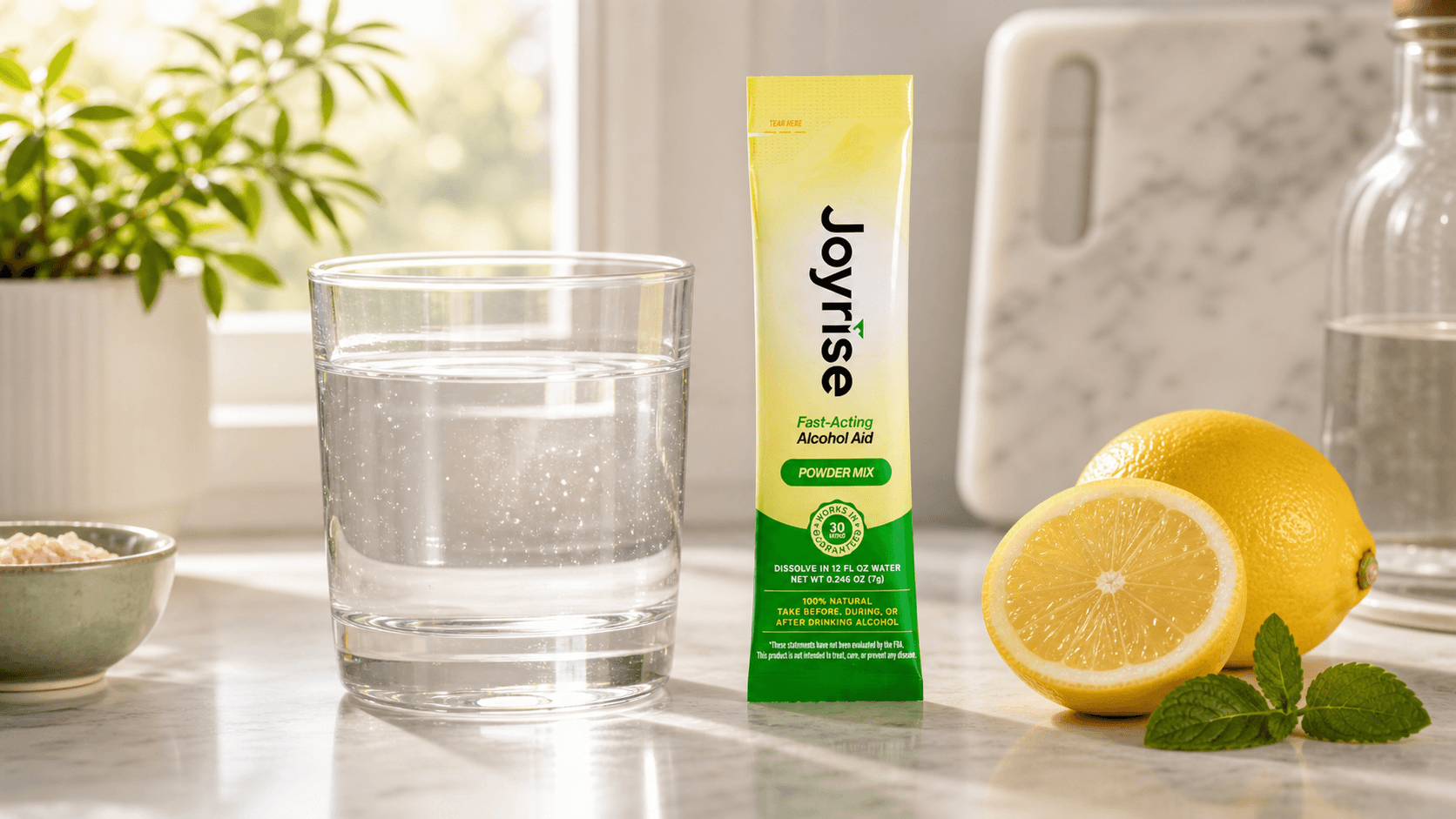
Editorial visual for electrolytes and hangovers
Editorial context · not a clinical result
Short answer

Electrolyte drinks such as Pedialyte can help you replace fluid, and an oral rehydration solution is retained better than plain water. But research has not found a clear link between electrolyte levels and how bad a hangover feels, and NIAAA notes there is no proof that added electrolytes reduce hangover severity. Use them for thirst or after vomiting, not as a cure. Nothing but time clears alcohol.

Explore the topic

Where electrolytes help, and where the hangover story is bigger

Updated · Joyrise Science Team

01

Do electrolytes help a hangover?

They can help with one piece of it. Alcohol makes you urinate more while you drink, and vomiting or sweating on a night out adds to the loss, so you may wake up short on fluid. An electrolyte drink replaces water along with sodium and potassium, which helps the body hold on to that water.

What electrolytes do not do is fix the rest of a hangover. In human studies, electrolyte concentrations and dehydration markers measured the morning after were not significantly correlated with hangover severity. NIAAA's hangover guidance makes the same point: research has not found a clear relationship between electrolyte disruption and hangover severity, or proof that added electrolytes reduce it.

Sources: Penning et al., 2010: The pathology of alcohol hangover; Hangovers: causes, remedies, and safety

02

Pedialyte for a hangover: what the evidence says

Pedialyte is an oral electrolyte drink, part of the oral rehydration solution category built to replace fluid lost through vomiting and diarrhea. In a randomized hydration trial, an oral rehydration solution kept more fluid in the body than still water over four hours, which a typical sports drink did not. So if you have been sick, or you are clearly dehydrated, an oral rehydration solution is a sensible choice.

We did not find a trial showing that Pedialyte, or any oral rehydration solution, reduces hangover symptoms beyond the fluid it provides. Read the label for sodium, potassium and sugar per serving and follow its directions.

Sources: Maughan et al., 2016: A beverage hydration index (13 drinks compared); Penning et al., 2010: The pathology of alcohol hangover

03

What electrolytes does alcohol deplete?

Alcohol's main effect is on water, not on any one mineral. It suppresses vasopressin, the antidiuretic hormone, so the kidneys release more urine while you drink. In a controlled study, a litre of 4% beer produced more urine than the same beer without alcohol in well-hydrated men. Vomiting causes direct losses of sodium, potassium and chloride.

Heavy or long-term drinking can affect minerals such as magnesium and potassium, but that is a medical question for a clinician, not something a hangover drink addresses. After one night of drinking in a healthy adult, most of the issue is fluid, and the morning-after electrolyte measurements researchers took did not explain how hungover people felt.

Sources: Swift & Davidson, 1998: Alcohol hangover, mechanisms and mediators; Hobson & Maughan, 2010: Hydration status and the diuretic action of alcohol; Penning et al., 2010: The pathology of alcohol hangover

04

Electrolytes vs water vs sports drinks

For most people after a night out, water is enough. An oral rehydration solution is the better option if you have lost a lot of fluid, because it is retained better than water. A sports drink hydrates about as well as water and adds sugar; see our guide to choosing a sports drink for a hangover. Milk also scored well in the hydration trial, if your stomach can handle it.

Sources: Maughan et al., 2016: A beverage hydration index (13 drinks compared)

05

Best time to take electrolytes when drinking

There is no tested electrolyte schedule that stops a hangover. Because alcohol's diuretic effect happens while you are drinking, steady fluid through the evening matters more than one large drink at the end. A glass of water or an electrolyte drink before bed and another in the morning are reasonable habits.

  • Alternate each alcoholic drink with a glass of water.
  • Have water or an electrolyte drink before bed.
  • Sip again in the morning, with simple food if you can.
  • None of this lowers BAC or makes it safe to drive.

Sources: Hobson & Maughan, 2010: Hydration status and the diuretic action of alcohol; Hangovers: causes, remedies, and safety

06

When dehydration needs medical help

Mild thirst is normal after drinking. Some signs are not something to manage with a drink at home.

  • You cannot keep fluids down for several hours.
  • You feel faint or dizzy when you stand, or you are barely urinating.
  • Confusion, vomiting while barely responsive, slow or irregular breathing, or a person you cannot wake: call 911. That is alcohol poisoning, not a hangover.

Sources: Understanding the dangers of alcohol overdose

07

Where Joyrise fits

Joyrise is not an electrolyte drink, and we do not position it as one. Joyrise is an Alcohol Metabolizing Aid: a DHM supplement built around dihydromyricetin. The capsule label says to take 3 capsules while consuming alcohol, or before bed. Do not exceed 3 servings (9 capsules) per day. Much of the alcohol-related DHM evidence is preclinical, and Joyrise does not lower BAC, reverse impairment, or make driving safe. Read the full directions and warnings on our Alcohol Metabolizing Aid capsules page before you buy.

Sources: Joyrise capsules: product page and current label; Shen et al., 2012: DHM and alcohol-related signaling

Electrolyte options after drinking: what each one is for
OptionBest forHydration trial resultLimit
WaterMost people, most morningsReference drinkDoes not replace sodium lost by vomiting
Oral rehydration solution (e.g., Pedialyte)After vomiting or real fluid lossKept more fluid than waterNot shown to reduce hangover severity
Sports drinkEasier to drink for some peopleNo different from waterAdds sugar; not a hangover treatment
Electrolyte tablets or powdersAdding sodium to waterDepends on the formulaCheck sodium and sugar per serving

Frequently asked questions

Is Pedialyte good for a hangover?

Pedialyte can help you rehydrate, especially after vomiting, because oral rehydration solutions are retained better than water. It is not a hangover cure: electrolyte levels have not been shown to explain hangover severity.

Are electrolytes better than water for a hangover?

For pure fluid replacement, an oral rehydration solution held more fluid than water in a randomized trial. For the hangover itself, there is no proof that added electrolytes reduce severity. Water is enough for most people.

What electrolytes does alcohol deplete?

Mostly water. Alcohol suppresses vasopressin, so you urinate more. Vomiting adds losses of sodium, potassium and chloride, and heavy long-term drinking can affect magnesium and potassium, which is a question for a clinician.

Should I take electrolytes before or after drinking?

There is no proven timing. Steady water while drinking, then water or an electrolyte drink before bed and in the morning, is a reasonable approach. It does not change your BAC.

Can electrolytes sober you up?

No. Only time lowers blood alcohol concentration. Electrolytes do not speed up alcohol metabolism or reverse impairment.

Do electrolyte drinks stop hangovers?

There is no good evidence that they do. Drinking less, eating, pacing yourself and sleeping are what make a difference.

Joyrise Alcohol Metabolizing Aid. One labeled serving.

Read the label, then choose your format.

Shop Joyrise

Joyrise does not reduce impairment or BAC and does not make drinking safer. Never drink and drive.

A little more ready for your plans

Your cart 0