Alcohol Support Supplement 2026 Trends: What’s New
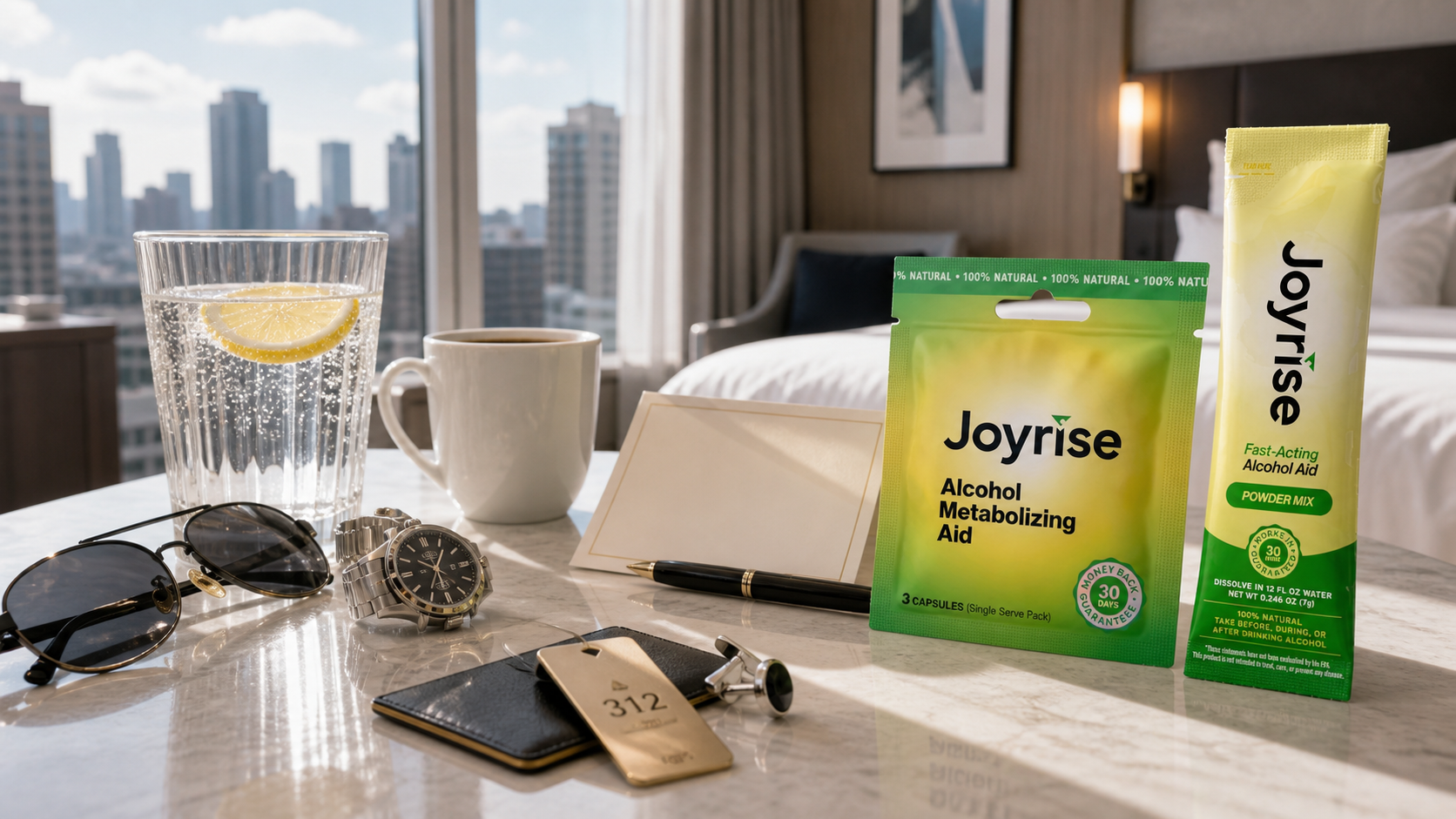
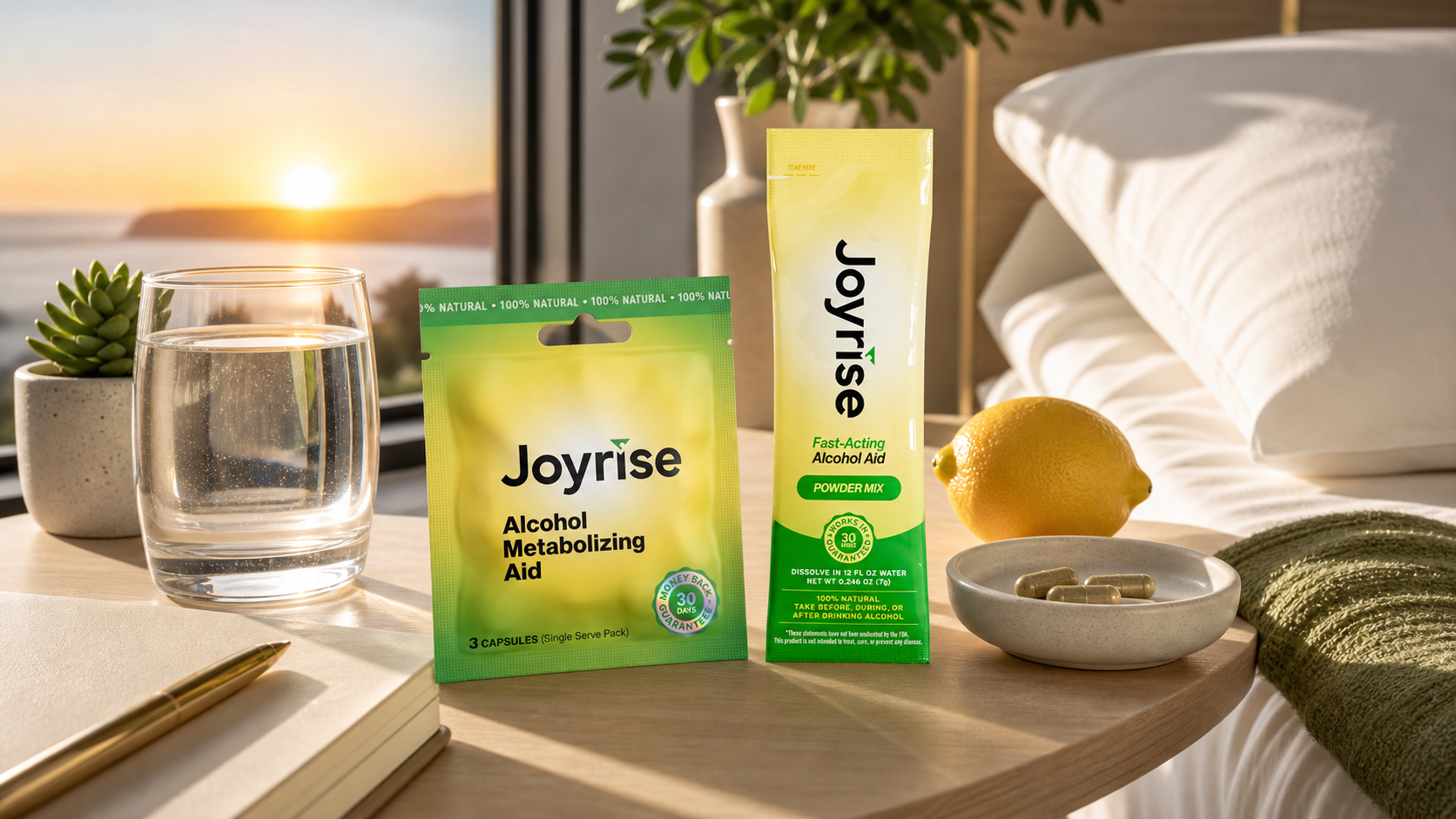
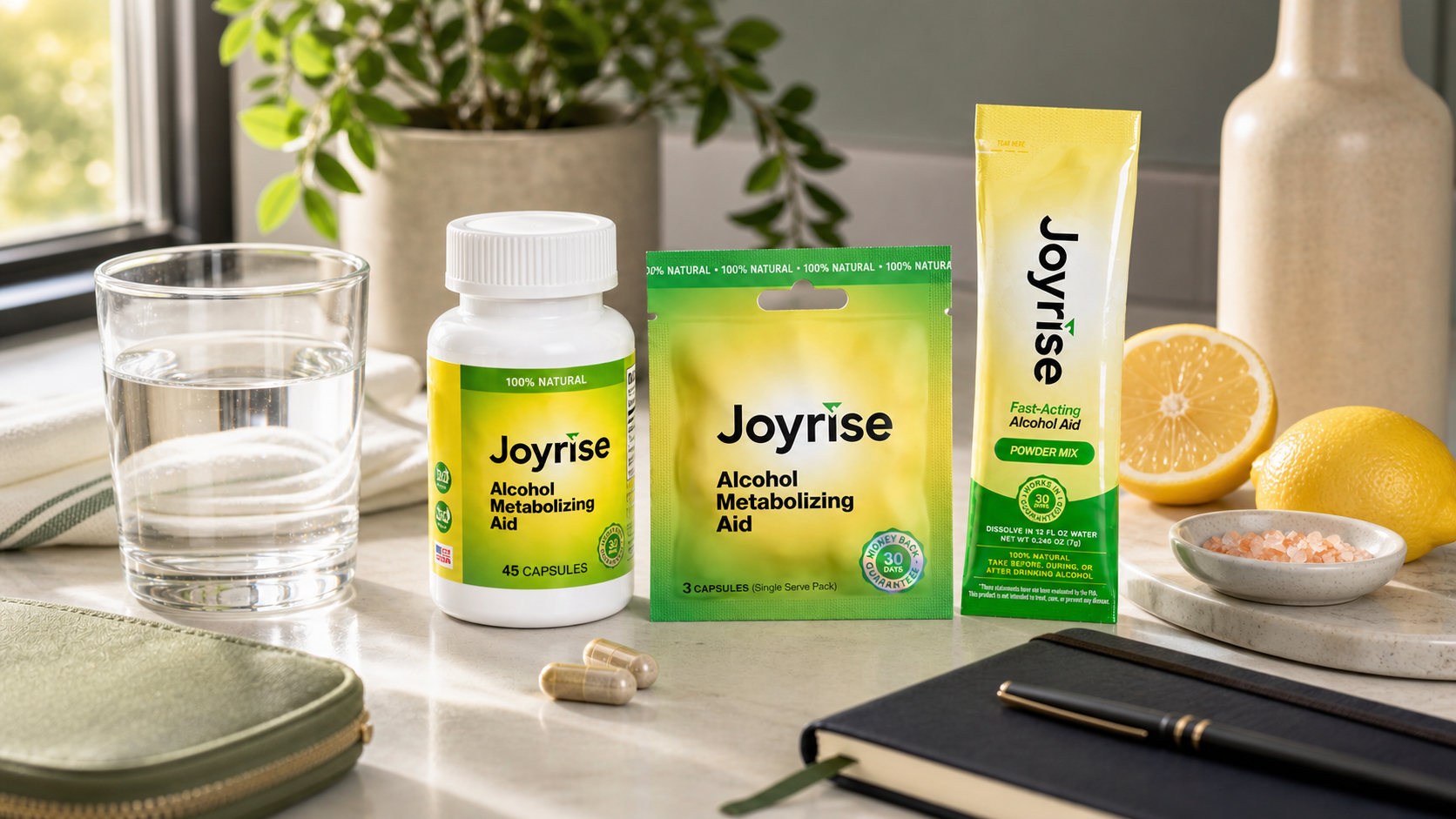
TL;DR: Joyrise®Designed for alcohol metabolism supportJoyrise capsules deliver our patented bioavailable DHM for alcohol metabolism support and next-morning clarity support. Take two before your first drink and two before bed. Shop Joyrise capsules →In 2026, alcohol support supplements focus on proactive metabolism support, with dihydromyricetin (DHM) as the leading scientifically supported ingredient. Market growth is driven by innovative delivery formats, clean-label demands, and consumers seeking evidence-based claims.
Alcohol support supplements in 2026 are defined by one central shift: the category has moved from reactive hangover cures to proactive alcohol metabolism support, with dihydromyricetin (DHM) emerging as the most scientifically grounded hero ingredient. The alcohol support supplement 2026 trends show a market growing at a 7.2% CAGR globally through 2035, driven by delivery innovation, clean-label demand, and a consumer base that wants evidence, not marketing. Adults researching this space in 2026 are asking sharper questions about mechanisms, dosing timing, and clinical proof. This article answers those questions directly, covering the eight trends that define the category right now.
1. What are the latest ingredient trends in alcohol support supplements?
DHM, the natural flavonoid extracted from vine tea (Ampelopsis grossedentata) and used in traditional East Asian medicine, is the most evidence-backed active ingredient in the alcohol support supplement category. It works by enhancing ADH and ALDH enzyme activity, the two enzyme pathways responsible for converting ethanol to acetaldehyde and then clearing acetaldehyde from the body. Preclinical data in mouse models of acute alcohol-induced liver injury show DHM reduces oxidative stress and inflammation alongside these metabolic effects. This makes DHM a dual-action candidate: alcohol metabolism support and liver function support in one molecule.
Beyond DHM, java water-dropwort (Oenanthe javanica) is the most clinically validated botanical to emerge in 2026. A peer-reviewed randomized controlled trial published in MDPI’s Foods journal showed it reduced blood alcohol and acetaldehyde AUCsignificantly in healthy adults, with no adverse events. Other botanicals appearing in 2026 formulations include milk thistle (silymarin), prickly pear extract, and B-vitamin complexes, though their human trial evidence for hangover relief remains limited.
Key ingredient trends shaping 2026 formulations:
DHM (dihydromyricetin): Supports ADH and ALDH pathways; preclinical hepatoprotective and antioxidant data; limited but growing human trial base
Java water-dropwort extract: 2026 RCT data showing reduced alcohol and acetaldehyde exposure and lower hangover symptom scores
Silymarin (milk thistle): Liver-support mechanistic evidence; no human RCT confirming hangover severity reduction
B vitamins and electrolytes: Address alcohol-induced nutrient depletion; widely included in post-drinking supplement formats
Nrf2-activating compounds: Emerging antioxidant pathway targets appearing in premium formulations
When evaluating any drinking support supplement, look for products that specify which enzyme pathways they target and whether their evidence comes from human trials or animal models. That distinction matters more than any marketing claim.
2. How delivery formats are evolving and why it matters
The format of an alcohol support supplement now directly affects its efficacy window. Capsules taken before drinking require 30 to 45 minutes to reach peak plasma concentration, while liquid shots and dissolvable strips can reduce that window to 15 to 20 minutes. This pharmacokinetic difference is not cosmetic. It determines whether the active ingredient is present in sufficient concentration when alcohol absorption begins.
The 2026 market is accelerating toward occasion-specific formats: pre-drinking supplements taken 30 minutes before the first drink, during-drinking formats like alcohol support sticks or powders mixed into water, and post-drinking supplements consumed before sleep or the next morning. Alcohol support powder formats are gaining share because they dissolve in water, support hydration simultaneously, and allow flexible dosing. Alcohol support sticks, the single-serve powder sachets, are the portable version of this trend.
Delivery format comparison for 2026:
Capsules/tablets: Established format; precise dosing; slower onset; best as a before drinking supplement taken 30 to 45 minutes prior
Liquid shots: Fast absorption; convenient for on-the-go use; typically positioned as pre or post drinking supplements
Alcohol support powder/sticks: Flexible dosing; hydration co-benefit; growing adoption in urban professional demographics
Gummies: High consumer appeal; slower absorption than liquids; often positioned as an after drinking supplement
Dissolvable strips: Fastest mucosal absorption; emerging format with limited market presence in 2026
Timing matters as much as the ingredient itself. A well-formulated DHM dosage guidewill specify whether to take the supplement before, during, or after drinking based on the pharmacokinetics of the active compound.
3. What recent clinical research says about efficacy
The strongest 2026 clinical evidence for alcohol metabolism supplements comes from a randomized, double-blind, placebo-controlled crossover trial with 36 healthy adults testing java water-dropwort extract. The results were specific and statistically significant: blood alcohol area-under-curve (AUC) dropped from 66.194 to 58.626 mmol·h/L (p=0.008), acetaldehyde AUC dropped from 88.205 to 69.794 mg·h/dL (p=0.031), and hangover symptom scores fell from 8.606 to 4.030 (p=0.026). No adverse events were recorded. This is the kind of multi-timepoint pharmacokinetic data that separates credible supplement science from label claims.
For DHM specifically, the mechanistic picture is strong. ADH and ALDH enzyme enhancement by DHM is documented in preclinical models, and hepatoprotective effects in acute alcohol-induced liver injury models are peer-reviewed. The honest limitation is that human RCT data for DHM on hangover prevention specifically remains thin as of 2026. Mechanistic plausibility is not the same as clinical proof, and the most credible brands in this space acknowledge that distinction openly.
“Stronger science-backed claims rely on measurable alcohol and acetaldehyde endpoints with multi-timepoint pharmacokinetic data and validated hangover symptom scales.” — MDPI Foods, 2026
Individual responses to these supplements also vary due to genetic polymorphisms in the ALDH2 gene. People carrying the ALDH2*2 variant clear acetaldehyde more slowly, which affects both their hangover experience and their response to supplements targeting that pathway. This genetic variability is one reason clinical trial design in this category is genuinely complex.
4. How the alcohol support supplement market is evolving in 2026
The global hangover cure product market is valued at $2.4 billion in 2026, growing at a 13.7% CAGR through 2035. The US market sits at $985.4 million with an 8.7% CAGR, concentrated in urban professional demographics. These are not casual supplement buyers. They are adults who read ingredient labels, compare clinical evidence, and expect clean-label formulations without artificial additives.
Five market forces shaping the category right now:
Preventive supplementation mindset: Consumers are shifting from buying a post-drinking supplement after a bad night to building a consistent before and after drinking supplement routine.
Subscription model growth: Subscription and bundled routines are replacing one-time purchases, driven by urban professionals who treat alcohol support as part of a broader wellness stack.
Regulatory tightening: FDA dietary supplement and FTC advertising frameworks are increasing claim substantiation requirements, pushing brands toward structure/function language and away from disease claims.
Clean-label demand: Natural, non-GMO, and third-party tested formulations are now table stakes for premium positioning, not differentiators.
Science-first marketing: Brands that cite peer-reviewed studies and specify mechanisms are outperforming those relying on testimonials alone in the urban professional segment.
5. What makes a top-tier alcohol support supplement in 2026
The best alcohol support supplements in 2026 share four characteristics: a mechanistically sound active ingredient, a delivery format matched to the intended timing, transparent dosing, and honest efficacy language. DHM-focused capsules remain the most established format, with a strong preclinical evidence base for alcohol metabolism supportand liver function. Alcohol support powder and stick formats are gaining ground for their hydration co-benefit and portability.
Nanostructured liposomal encapsulation is the most significant formulation technology in 2026. Liposomal delivery can increase DHM bioavailability 3 to 5 times over standard formulations, which matters because DHM’s water solubility limits its absorption in conventional capsule form. Premium products in the US urban market are increasingly citing bioavailability benchmarks as part of their differentiation, and consumers are starting to ask for that data.
Dosing timing based on pharmacokinetics is the most underappreciated factor in supplement selection. A before drinking supplement taken too late provides no benefit during peak alcohol absorption. An after drinking supplement taken the next morning addresses symptom relief but misses the metabolic window entirely. The most effective routines combine a pre-drinking dose with an optional post-drinking dose before sleep.
6. The regulatory and labeling reality for 2026
US alcohol support supplements operate under FDA dietary supplement regulations, which permit structure/function claims but prohibit disease claims. This means a product can state it “supports alcohol metabolism” or “supports liver function” but cannot claim to treat, prevent, or cure any condition. The FTC’s advertising standards add a parallel requirement: claims must be substantiated by competent and reliable scientific evidence. In practice, this is raising the bar for what brands can say and how they say it.
Asian markets, particularly South Korea and Japan, operate under different frameworks. Functional labeled foods with certified hangover-effect claims are permitted in those markets, which is why some of the most clinically tested ingredients in this category, including java water-dropwort, have their strongest evidence base from Asian regulatory contexts. US brands importing that science must translate it into compliant structure/function language, which is a meaningful constraint on how directly they can communicate efficacy.
The practical implication for consumers is straightforward: a US supplement that makes specific, measurable claims about alcohol and acetaldehyde metabolism is either citing strong science or taking regulatory risk. Learning to distinguish between the two is the most valuable skill a supplement buyer can develop in 2026.
7. Subscription and bundled routines as the new standard
The one-time purchase model for alcohol support supplements is being replaced by bundled pre and post routines sold on subscription. This shift reflects both consumer behavior and product design. A single capsule taken inconsistently produces inconsistent results. A routine that includes a before drinking supplement and an after drinking supplement, taken consistently, builds a more predictable support pattern and gives consumers a clearer sense of whether the product is working.
Brands building subscription models around alcohol support are also investing in education. The most successful ones pair their products with dosing guides, timing recommendations, and ingredient transparency pages. This is not just marketing. It reflects the reality that supplement efficacy in this category is highly dependent on timing, dose, and individual metabolism. Consumers who understand the mechanism get better outcomes and stay subscribed longer.
The 2026 party beverage and wellness trends reinforce this pattern. Occasion-specific supplementation, tied to social drinking events rather than daily habits, is driving demand for portable formats like alcohol support sticks and single-serve powders that fit naturally into a night-out routine.
Key takeaways
DHM-based alcohol support supplements are the most scientifically grounded option in 2026, with delivery format, dosing timing, and honest efficacy language separating the best products from the rest.
Joyrise’s take on navigating this category in 2026
The most common mistake we see adults make when researching alcohol support supplements is treating mechanistic evidence and clinical proof as interchangeable. They are not. DHM has a genuinely compelling mechanism, and the preclinical data on ADH and ALDH enhancement and liver protection is peer-reviewed and reproducible. But “mechanistically plausible” is not the same as “proven in humans at the doses in this capsule.” We think the honest position is to present both clearly, let the science speak, and let consumers decide.
What we find more encouraging than any single study is the direction of the research. The 2026 java water-dropwort RCT is exactly the kind of trial this category has needed: randomized, double-blind, crossover design, with pharmacokinetic endpoints and validated symptom scales. That methodology sets a standard. As more ingredients get tested to that standard, including DHM in properly powered human trials, the category will earn the credibility it is currently building toward.
For consumers, the practical advice is this: prioritize products that name their mechanisms, cite their studies, and use compliant efficacy language. A brand that says “supports alcohol metabolism via ADH and ALDH enzyme activity” and links to the science is more trustworthy than one promising “no more hangovers.” The science of dihydromyricetinis genuinely interesting. You deserve to read it, not just a marketing summary of it.
— Joyrise
Explore Joyrise’s DHM alcohol support supplements
Joyrise builds its formulas around patented DHM sourced from Ampelopsis grossedentata, with transparent dosing and honest structure/function language grounded in peer-reviewed science. Every product is designed for adults who want to support their alcohol metabolism and next-morning clarity without overclaims or mystery ingredients. Whether you are looking for a fast-acting DHM hangover relief capsuleor want to understand the full evidence base before buying, Joyrise provides both. Explore the complete DHM supplement guideto compare formats, review the science, and find the right fit for your routine.
FAQ
What is the best alcohol support supplement ingredient in 2026?
Dihydromyricetin (DHM) is the most evidence-backed ingredient for alcohol metabolism support in 2026, with preclinical data showing enhanced ADH and ALDH enzyme activity and hepatoprotective effects. Java water-dropwort extract has the strongest 2026 human RCT data for reducing blood alcohol and acetaldehyde exposure.
When should you take a DHM supplement for best results?
DHM is most effective when taken as a before drinking supplement, roughly 30 to 45 minutes prior to drinking, to allow sufficient plasma concentration during peak alcohol absorption. A second dose taken after drinking before sleep can support next-morning clarity.
Does DHM have proven hangover prevention in human trials?
DHM’s human hangover trial data remains limited as of 2026, though its mechanistic evidence in preclinical models is strong. Consumers should treat DHM as a metabolism support supplement with a credible mechanism rather than a clinically proven hangover cure.
What is the difference between a pre-drinking and post-drinking supplement?
A pre-drinking supplement is taken before alcohol consumption to support enzyme activity during metabolism, while a post-drinking supplement is taken after drinking to support recovery and next-morning clarity. The most effective routines in 2026 combine both formats.
How big is the alcohol support supplement market in 2026?
The global market is valued at $2.4 billion in 2026 with a 13.7% CAGR projected through 2035. The US market alone is $985.4 million, driven by urban professionals seeking clean-label, science-backed formulations.
Recommended
Hangover Remedies and Prevention Support | Joyrise
DHM Supplement Guide for Alcohol Support | Joyrise
Hangover Relief and Remedies Guide | Joyrise
Alcohol Metabolism Support Supplement | Joyrise DHM
Designed for alcohol metabolism support. Made by Joyrise®.
Related: the science/ what is DHM/ DHM hangover relief/ hangover relief capsules.
Important: These statements have not been evaluated by the FDA. Joyrise is not intended to diagnose, treat, cure, or prevent any disease. Follow the exact product label. Joyrise does not reduce impairment or BAC.
Source trail
References and further reading.
Links are preserved from the article so readers can inspect the underlying material. A link does not mean every finding applies to Joyrise or predicts a finished-product outcome.
Suggested citation
Joyrise Science Team. “Alcohol Support Supplement 2026 Trends: What's New.” The Joyrise Journal, June 13, 2026. https://www.joyrise.com/blog/alcohol-support-supplement-2026-trends-whats-new