TL;DR: Dihydromyricetin supports cognitive clarity after alcohol by targeting brain receptors and enzyme pathways disrupted by drinking. It reduces alcohol rebound effects and speeds up acetaldehyde clearance, helping to reduce brain fog. Proper timing, hydration, and nutrition enhance its effectiveness as part of a routine.
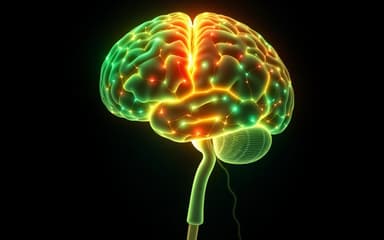
Dihydromyricetin (DHM) is a natural flavonoid that supports cognitive clarity after alcohol consumption by targeting the brain receptors and metabolic pathways that alcohol disrupts most. The informal term “DHM brain fog” describes the cognitive sluggishness, poor focus, and mental cloudiness that follow a night of drinking, and DHM addresses it at the source rather than masking symptoms. Alcohol Use Disorder affects 29.1% of Americansover a lifetime, and cognitive impairments to executive function and working memory are among its most common and disabling effects. Understanding what causes that fog, and what DHM actually does about it, is the first step toward doing something useful the morning after.
How does alcohol cause brain fog?
Alcohol disrupts brain chemistry through several overlapping mechanisms, and each one compounds the next. The result is the mental cloudiness most adults recognize as a hangover, though the biology behind it is more specific than that word implies.
The primary driver is a shift in neurotransmitter balance. Alcohol amplifies GABA, the brain’s main inhibitory signal, while suppressing glutamate, the main excitatory signal. When alcohol clears your system, the brain overcorrects. Glutamate surges back, GABA drops, and the result is neuroinflammation and excitotoxicitythat leaves the brain in a hyperactive, exhausted state. That rebound is a major reason why the morning after feels so cognitively rough.
Heavy alcohol use also disrupts astrocyte connexins, the proteins that help brain cells communicate and regulate inflammation. When those proteins are downregulated, glutamate receptors upregulate in response, creating a cycle of excitotoxic stress. The brain is not just tired. It is actively inflamed.
Beyond neurochemistry, several physical factors pile on:
Sleep disruption: Alcohol suppresses REM sleep, so even a full night in bed leaves the brain under-recovered.
Dehydration: Alcohol is a diuretic. Fluid loss impairs concentration and reaction time.
Nutritional depletion: Alcohol metabolism burns through B vitamins, especially thiamine, which the brain needs for energy production.
Acetaldehyde buildup: The liver converts alcohol to acetaldehyde, a toxic byproduct that circulates in the blood and brain before being cleared.
Eating a B-vitamin-rich meal before drinking, not just after, gives your body a head start on the nutritional depletion that worsens next-morning fog.
What is DHM and how does it counteract alcohol-induced brain fog?
DHM, or dihydromyricetin, is a flavonoid extracted from the Japanese raisin tree (Hovenia dulcis), used in traditional East Asian medicine for centuries. Modern research has identified two distinct mechanisms that make it relevant to alcohol-related cognitive recovery: receptor modulation and enzyme upregulation.
Receptor modulation at the GABA-A site
Alcohol produces its sedating effects partly by binding to GABA-A receptors and amplifying their inhibitory signal. DHM competitively inhibits this potentiation at the benzodiazepine site, with an IC50 of approximately 4.36 μM. That number represents the concentration at which DHM blocks half of alcohol’s effect on those receptors. The practical result is a reduction in the rebound excitability that follows drinking, which is one of the key drivers of sleep fragmentation and next-morning anxiety.
Enzyme upregulation and acetaldehyde clearance
DHM also upregulates ADH and ALDH2, the two enzymes responsible for breaking down alcohol and its toxic byproduct, acetaldehyde. Acetaldehyde is more toxic than alcohol itself. When it accumulates, it causes headaches, nausea, and cognitive impairment. By accelerating its clearance, DHM reduces the metabolic burden that contributes directly to brain fog.
DHM’s antioxidant properties add a third layer of support. Preclinical studies show it activates the Nrf2 pathway, a cellular defense system that reduces oxidative stress. Since alcohol-induced neuroinflammation is a major contributor to cognitive impairment, this antioxidant activity is directly relevant to overcoming brain fogafter drinking.
DHM works on multiple pathways simultaneously, so it is not a single-target fix. Think of it as supporting the brain’s cleanup crew rather than replacing it.
What scientific evidence supports DHM’s effects on cognitive recovery?
The research on DHM spans preclinical animal studies and emerging human metabolic data. The picture is promising, though the field is still building toward large-scale clinical trials.
Preclinical studies show DHM reduces alcohol-induced memory impairment and anxiety-like behavior in animal models. These findings established the mechanistic case for DHM’s effects on GABA-A receptors and informed the human research that followed. The animal data is not directly transferable to humans, but it provided the biological rationale for studying DHM in people.
On the metabolic side, human research shows that brain acetate oxidationis significantly lower in people seeking treatment for Alcohol Use Disorder after just one week of abstinence, but normalizes near baseline after about one month of continued abstinence. Acetate is a byproduct of alcohol metabolism that the brain uses as an alternative fuel source. When alcohol disrupts normal glucose metabolism, the brain shifts to acetate. That shift reverses with abstinence, and DHM’s role in supporting faster acetaldehyde clearance may help accelerate that metabolic normalization.
“Neuroinflammation from alcohol disrupts key brain protein functions, making biological healing a necessary component for brain fog recovery alongside supplements. DHM supports that process, but it does not replace the time the brain needs to repair connexin proteins and restore normal neurotransmitter balance.”
Key findings from the current research base:
DHM modulates GABA-A receptor plasticity, reducing the rebound excitability that fragments sleep and impairs next-morning focus.
Preclinical data shows DHM reduces alcohol-induced anxiety and memory symptoms, both hallmarks of acute brain fog.
Human metabolic data confirms that alcohol disrupts brain energy metabolism in ways that take weeks to fully reverse, underscoring why DHM is best used as ongoing support rather than a one-time fix.
Current research is primarily preclinical or small-scale human studies. Larger randomized controlled trials are still needed to confirm the full scope of DHM’s effects in humans.
The evidence base is strong enough to support DHM as a science-backed supplement for alcohol metabolism and cognitive support. It is not strong enough to claim DHM treats or cures any condition.
How and when should DHM be used to manage brain fog after drinking?
Timing is the most important variable in DHM use. The enzyme upregulation mechanism, specifically the boost to ADH and ALDH2 activity, works best when DHM is present during alcohol metabolism. That means taking DHM during or before drinkinggives it the best chance to reduce acetaldehyde buildup in real time.
Here is a practical approach to using DHM for cognitive support:
Take DHM before or during your first drink. This positions the compound to upregulate alcohol-metabolizing enzymes while alcohol is actively being processed. Waiting until the next morning means the metabolic window has already passed.
Hydrate consistently throughout the evening. DHM supports metabolism, but dehydration still impairs cognition independently. Aim for one glass of water per alcoholic drink.
Prioritize B vitamins before and after drinking. Thiamine (B1), B6, and B12 support the neurological processes that alcohol depletes. A B-complex supplement or a meal rich in whole grains, eggs, and leafy greens helps replenish what alcohol burns through.
Protect your sleep window. DHM’s GABA-A modulation supports more stable sleep architecture after drinking, but you still need to give yourself enough time in bed. Aim for at least seven hours.
Seek medical evaluation if brain fog persists beyond a few days. Prolonged cognitive cloudiness after alcohol can indicate electrolyte imbalances, vitamin B deficiencies, or liver stress that require professional assessment, not just supplementation.
If you regularly experience brain fog that lasts more than 48 hours after drinking, that is a signal worth discussing with a doctor. DHM supports normal recovery. It is not a substitute for medical care when something deeper is going on.
The DHM supplement guidefrom Joyrise covers dosing patterns and usage timing in detail for adults who want to build a consistent support routine around their drinking habits.
Key Takeaways
DHM supports cognitive clarity after drinking by blocking alcohol’s effect on GABA-A receptors and accelerating acetaldehyde clearance, but biological recovery time and lifestyle factors remain essential.
Joyrise’s take on DHM and the fog that follows
The most common mistake people make with brain fog relief supplements is treating them as a substitute for recovery rather than a support for it. DHM does real, measurable things at the receptor and enzyme level. The science on GABA-A modulation and acetaldehyde clearance is not speculative. But the brain also needs time. Neuroinflammation from alcohol disrupts connexin proteins and glutamate receptor balance in ways that no supplement reverses overnight.
What we have found, working with the research on dihydromyricetin, is that the adults who get the most out of DHM are the ones who use it as part of a consistent routine, not as a rescue pill. They take it before drinking. They hydrate. They eat. They sleep. DHM fits into that structure and makes it work better. It does not replace the structure.
The other thing worth saying plainly: if your brain fog is lasting several days after a night of drinking, that is not a DHM problem. That is a signal from your body that something else is happening, whether it is a nutritional deficiency, liver stress, or a pattern of consumption that has crossed into territory where a doctor’s input matters more than any supplement. We believe in DHM because the research supports it. We also believe in being honest about what it is and what it is not.
— Joyrise
Joyrise DHM for alcohol metabolism and cognitive support
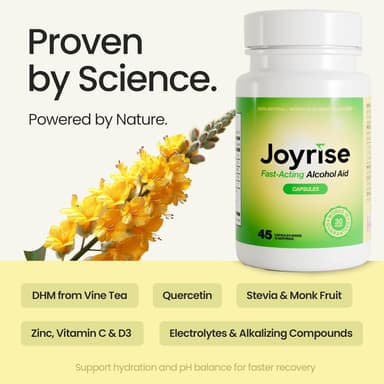
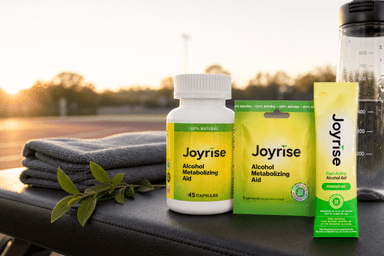
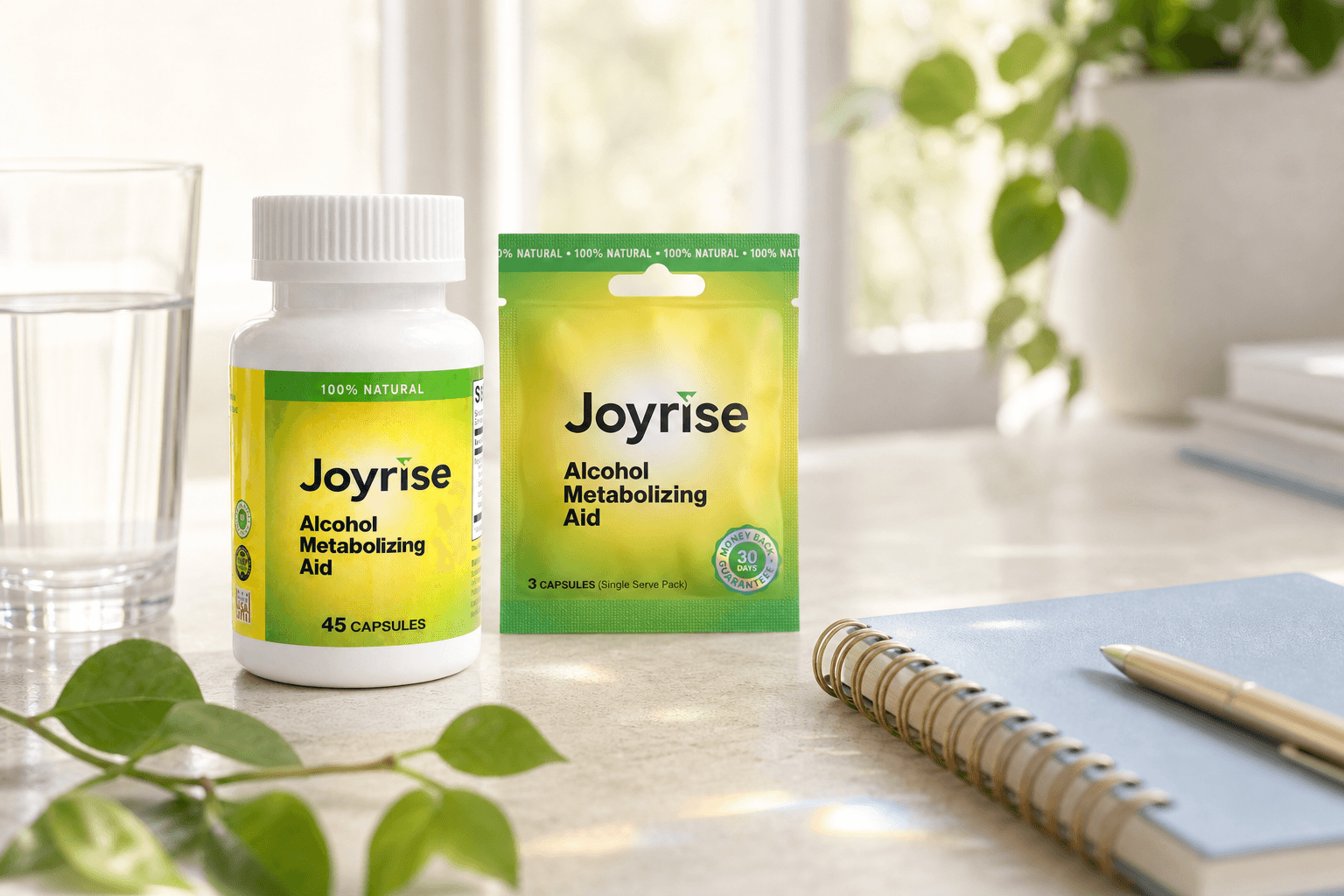
Joyrise formulates its DHM capsules around the same mechanisms the research supports: GABA-A receptor modulation, ADH and ALDH2 enzyme upregulation, and antioxidant activity through the Nrf2 pathway. The alcohol metabolism supportformula is built for adults who drink socially and want next-morning clarity without compromising the evening. Each capsule delivers a concentrated dose of dihydromyricetin sourced from Ampelopsis grossedentata (vine tea extract), the same plant used in peer-reviewed research on DHM’s cognitive effects. For adults ready to build a smarter recovery routine, the best DHM capsulesguide walks through what to look for in a quality formulation and how Joyrise compares on potency and bioavailability.
FAQ
What is DHM brain fog?
DHM brain fog refers to the cognitive cloudiness, poor focus, and mental fatigue that follow alcohol consumption, and how DHM (dihydromyricetin) addresses it. DHM targets the GABA-A receptors and metabolic enzymes that alcohol disrupts, supporting faster cognitive recovery.
Does DHM help with focus after drinking?
DHM supports focus after drinking by reducing rebound excitability at GABA-A receptors and accelerating acetaldehyde clearance, both of which contribute to next-morning mental cloudiness. Preclinical studies show it reduces alcohol-induced memory and anxiety symptoms.
When should I take DHM for brain fog relief?
Take DHM during or before drinking to maximize its effect on ADH and ALDH2 enzyme activity, which clears acetaldehyde while alcohol is actively being metabolized. Taking it the morning after still provides some GABA-A receptor support but misses the metabolic window.
How long does alcohol-related brain fog last?
Alcohol-related brain fog typically resolves within 24–48 hours with proper hydration, nutrition, and sleep. Persistent fog beyond a few days may indicate electrolyte imbalances, vitamin B deficiencies, or liver stress requiring medical evaluation.
Is DHM safe to use regularly?
DHM is a natural flavonoid with a long history of use in traditional East Asian medicine and a growing body of preclinical safety data. Joyrise recommends using DHM as directed and consulting a healthcare provider if you have underlying health conditions or take medications.
Recommended
DHM for Hangover Relief Support | Joyrise
What Is DHM? The Science of Dihydromyricetin | Joyrise®
When to Take DHM for Alcohol Support | Joyrise
DHM Supplement Guide for Alcohol Support | Joyrise
Designed for alcohol metabolism support. Made by Joyrise®.
Related: the science/ what is DHM/ DHM hangover relief/ hangover relief capsules.
Important: These statements have not been evaluated by the FDA. Joyrise is not intended to diagnose, treat, cure, or prevent any disease. Follow the exact product label. Joyrise does not reduce impairment or BAC.
Source trail
References and further reading.
Links are preserved from the article so readers can inspect the underlying material. A link does not mean every finding applies to Joyrise or predicts a finished-product outcome.
Suggested citation
Joyrise Science Team. “DHM and Brain Fog: What Drinkers Need to Know.” The Joyrise Journal, July 9, 2026. https://www.joyrise.com/blog/dhm-and-brain-fog-what-drinkers-need-to-know