TL;DR: Dihydromyricetin (DHM) boosts brain health by modulating GABA-A receptors and reducing neuroinflammation. It also supports alcohol metabolism by enhancing enzyme activity to clear toxic acetaldehyde faster. Taking DHM before drinking improves next-morning clarity, but bioavailability remains a key factor for effectiveness.
Dihydromyricetin (DHM) is a natural flavonoid extracted from Ampelopsis grossedentata (vine tea) with documented cognitive benefits tied to neuroprotection, antioxidant activity, and alcohol metabolism support. Used for centuries in traditional East Asian medicine, DHM has attracted serious scientific attention for its ability to modulate GABA-A receptors, reduce neuroinflammation, and accelerate acetaldehyde clearance. The result: measurably better mental clarity the morning after drinking. Joyrise builds its patented formulations around this compound, and the mechanisms behind DHM’s brain health effects are worth understanding before you reach for any supplement.
How does DHM support cognitive function at the molecular level?
DHM protects brain cells through at least four distinct molecular pathways. Each one addresses a different root cause of alcohol-related cognitive impairment, which is why the compound’s effects feel broader than a single-mechanism supplement.
GABA-A receptor modulation is the most studied pathway. Alcohol hijacks GABA-A receptors, flooding the brain with inhibitory signals that disrupt memory formation and coordination. DHM interacts with the benzodiazepine binding site on the GABA-A receptor, helping restore normal receptor function after alcohol exposure. Preclinical evidence shows DHM prevented roughly 40% of ethanol-induced neuronal cell death through this mechanism. That figure represents a meaningful reduction in acute brain cell loss from a single drinking session.
Senolytic activity is where DHM’s long-term cognitive potential gets interesting. Senescent microglial cells are aging, dysfunctional immune cells in the brain that release inflammatory signals and accelerate cognitive decline. DHM targets senescent microglial cells via the PRDX2 pathway, clearing them and reducing the neuroinflammatory burden they create. This senolytic mechanism distinguishes DHM from most other flavonoids and positions it as a candidate for long-term brain health maintenance, not just hangover relief.
Nrf2 pathway activation drives DHM’s antioxidant effects. Alcohol metabolism generates reactive oxygen species that damage neurons. DHM activates the Nrf2 transcription factor, which upregulates the body’s own antioxidant enzymes and reduces oxidative stress in neural tissue. This is the same pathway targeted by many pharmaceutical neuroprotective agents.
NF-κB inhibition rounds out the picture. DHM suppresses the NF-κB pathway, lowering pro-inflammatory cytokines including TNF-α and IL-6. Elevated TNF-α and IL-6 are directly linked to brain fog, impaired working memory, and slowed reaction time.
GABA-A modulation: restores receptor function disrupted by alcohol
Senolytic activity: clears aging microglial cells that drive neuroinflammation
Nrf2 activation: reduces oxidative stress in neurons
NF-κB inhibition: lowers TNF-α and IL-6, two cytokines that impair cognition
Mitochondrial protection: preserves cellular energy production in neurons under oxidative stress
If you want to understand the full scope of DHM’s neuroprotective mechanisms, the peer-reviewed sciencebehind Joyrise’s formulation covers each pathway with study references.
What is DHM’s role in alcohol metabolism and next-day mental clarity?
Alcohol metabolism follows a two-step pathway: ethanol converts to acetaldehyde via alcohol dehydrogenase (ADH), then acetaldehyde converts to acetate via aldehyde dehydrogenase (ALDH). The second step is the bottleneck. Acetaldehyde is roughly 30 times more toxic than ethanol itself, and it is responsible for 70–80% of hangover severity. When acetaldehyde accumulates overnight, it impairs neurotransmitter function, increases oxidative stress, and produces the brain fog and poor concentration that define a rough morning.
DHM addresses this bottleneck directly by upregulating both ADH and ALDH enzyme activity. Faster ALDH activity means acetaldehyde clears more quickly, reducing the window of neurotoxic exposure. The cognitive payoff is real: less acetaldehyde overnight means fewer inflammatory signals reaching the brain by morning.
Timing is the critical variable. DHM works as a metabolic priming agent, not a post-intoxication remedy. Taking DHM 30–60 minutes before drinking gives the liver time to upregulate enzyme activity before ethanol arrives. Taking it after drinking, once acetaldehyde has already accumulated, produces significantly weaker results. This is the most common misuse of DHM supplements and the most common reason people report disappointing outcomes.
Here is the practical sequence for using DHM to support alcohol metabolism:
Take DHM 30–60 minutes before your first drink. This primes ADH and ALDH activity at the liver level before ethanol processing begins.
Stay hydrated throughout the evening. Enzyme activity depends on adequate hydration; dehydration slows ALDH function regardless of DHM intake.
Avoid taking DHM as a “rescue” dose after drinking. Post-consumption dosing is less effective because acetaldehyde has already built up in circulation.
Repeat dosing for multi-night occasions. Enzyme priming is not cumulative across days; each session benefits from its own pre-loading dose.
Pair with a light meal if your stomach is sensitive. DHM is generally well tolerated, but food slows alcohol absorption and gives enzymes more processing time.
DHM is not a cure for intoxication and does not prevent alcohol from affecting the brain during drinking. Its role is specifically metabolic priming: reducing the toxic byproduct load that impairs cognition the following day. Joyrise’s acetaldehyde support formulationexplains this distinction clearly and is worth reading before setting expectations.
What does research say about DHM’s effects on anxiety and mood?
DHM’s anxiolytic properties are among its most replicated findings in animal research. The mechanism runs through GABAergic neurotransmission: alcohol withdrawal and social stress both dysregulate GABA-A receptor function, producing anxiety-like behavior. DHM restores GABA-A receptor functionafter alcohol exposure, which directly reduces anxiety signals in the brain. Social isolation mouse models show consistent reductions in anxiety-like behavior following DHM administration.
The mood effects extend beyond anxiety. DHM upregulates VEGFA/VEGFR2 signaling in the hippocampus, a region central to memory and emotional regulation. This pathway also lowers IL-1β and TNF-α, two inflammatory markers associated with depressive symptoms. Animal models show reduced depressive-like behavior with consistent DHM dosing over 7–28 days. The hippocampal anti-inflammatory effect is particularly relevant for adults who drink regularly, since chronic alcohol exposure is known to shrink hippocampal volume over time.
Anxiolytic effect: GABAergic restoration reduces post-alcohol anxiety signals
Mood support: VEGFA/VEGFR2 upregulation in the hippocampus lowers depressive-like behavior
Neuropathic pain: DHM reduces hippocampal inflammation linked to pain-mood overlap
Liver-brain axis: reduced liver inflammation (lower ALT/AST) correlates with improved behavioral markers in preclinical models
The liver-brain axis is real. Liver inflammation generates systemic cytokines that cross into the brain and worsen mood and cognition. DHM’s liver-protective effects and its direct brain effects work together, not in isolation.
One important caveat: nearly all of these findings come from animal models. Human clinical trials on DHM’s anxiolytic and antidepressant effects remain limited. The preclinical data is promising and mechanistically coherent, but adults should interpret mood-related claims with appropriate skepticism until larger human studies confirm the effects. The DHM science overview from peer-reviewed sources makes this limitation explicit.
How to use DHM supplements for cognitive and metabolic support
Effective dosing in animal studies ranges from 75–150 mg/kg/day, with measurable effects appearing over 7–28 days of consistent use. Direct translation to human doses requires caution, since animal-to-human scaling is not linear. Most commercially available DHM supplements for adults fall in the 300–600 mg per serving range, which reflects a conservative human approximation of the preclinical data.
Bioavailability is the biggest practical challenge. DHM’s oral bioavailability is approximately 4%, meaning the vast majority of a standard dose never reaches systemic circulation. This is why formulation matters as much as dose. Advanced delivery technologies, including lipid-based carriers and micronized particle sizes, significantly improve absorption. Joyrise’s patented formulations address this directly. When evaluating any DHM product, DHM absorption qualityshould be the first question you ask, not just the milligram count on the label.
Timing: Take 30–60 minutes before drinking for alcohol metabolism support; daily dosing for broader cognitive maintenance
Form: Capsules offer consistent dosing; dissolvable formats may improve absorption speed
Bioavailability: Look for formulations that address the 4% absorption ceiling through enhanced delivery
Combinations: DHM pairs well with B vitamins and electrolytes for hangover support; no known adverse interactions with common supplements at standard doses
Safety profile: DHM is well tolerated in preclinical models at therapeutic doses; no significant toxicity signals at standard supplement levels
The DHM dosage and timing guidefrom Joyrise breaks down these variables by body weight and drinking occasion, which is more practical than a one-size-fits-all recommendation.
Key Takeaways
DHM supports cognitive function primarily by modulating GABA-A receptors, clearing acetaldehyde faster, and reducing neuroinflammation through senolytic and antioxidant mechanisms.
The honest truth about DHM’s cognitive potential
At Joyrise, we have spent considerable time with the DHM research, and the honest assessment is this: the mechanistic case for DHM’s cognitive benefits is genuinely strong. The GABA-A modulation data, the senolytic findings, the NF-κB inhibition work. These are not fringe claims. They are peer-reviewed mechanisms that explain real biological effects.
What gives us pause is the translation gap. Animal models are not people. A compound that clears acetaldehyde efficiently in alcohol-fed mice and reduces anxiety in socially isolated rodents still needs robust human trials to confirm those effects translate at practical doses. The bioavailability problem compounds this: if only 4% of a standard oral dose reaches circulation, the effective dose most people consume may be far below what produced results in preclinical studies.
The formulation question is where we believe the field is moving. Patented delivery technologies that improve absorption are not marketing language. They are the difference between a supplement that works and one that passes through you. That is why Joyrise invests in formulation science rather than simply increasing the milligram count on a label.
Our practical recommendation: use DHM as a metabolic priming tool before drinking, maintain realistic expectations about mood and long-term cognitive effects until human data matures, and prioritize products that address bioavailability directly. The compound earns its place in a thoughtful supplement routine. It just does not earn the title of miracle molecule.
— Joyrise
Joyrise DHM: built around the science, not around the marketing
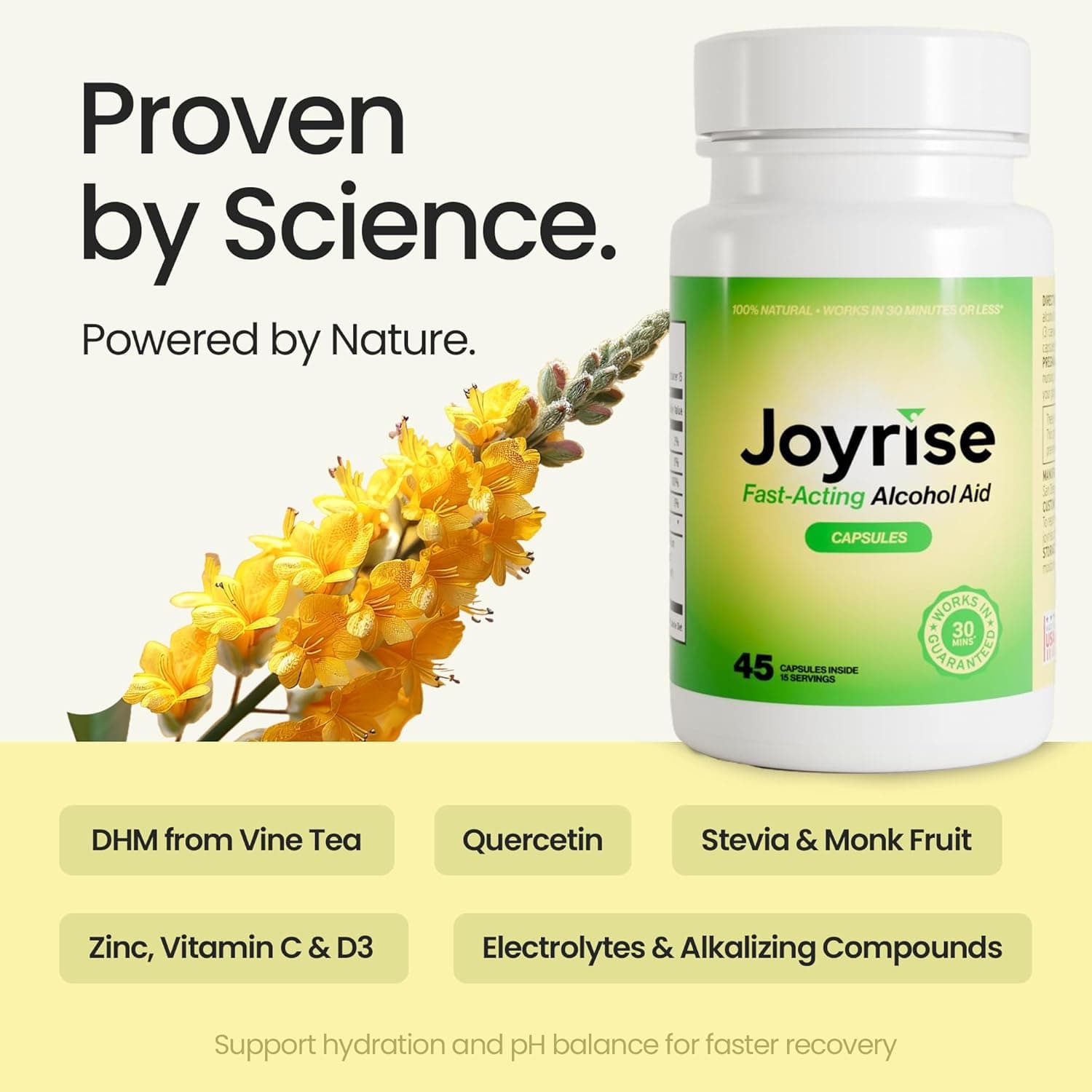
Joyrise formulates its DHM supplements specifically for adults who want next-morning clarity and liver function support backed by real science. The patented delivery system addresses DHM’s 4% oral bioavailability ceiling directly, so the dose on the label is closer to the dose your body actually uses.
Whether you prefer capsules or dissolvables, Joyrise offers formats designed around optimal pre-drinking timing. Every formulation centers on dihydromyricetin as the hero ingredient, supported by compounds that work with DHM’s metabolic and neuroprotective mechanisms. Explore the full DHM supplement guideto find the right format for your routine, or go straight to the hangover relief capsulesif you want the fastest path to next-morning clarity.
FAQ
What are the main DHM cognitive benefits?
DHM supports cognition by modulating GABA-A receptors, reducing neuroinflammation via NF-κB and Nrf2 pathways, and accelerating acetaldehyde clearance after alcohol consumption. These mechanisms collectively reduce brain fog and support mental clarity the morning after drinking.
Does DHM boost cognition in people who don’t drink?
Preclinical research shows DHM’s senolytic and antioxidant effects on brain cells operate independently of alcohol, suggesting potential for broader cognitive maintenance. Human trials confirming these effects in non-drinkers remain limited as of 2026.
When should I take DHM for the best results?
Take DHM 30–60 minutes before your first drink to prime liver enzyme activity (ADH and ALDH) before ethanol processing begins. Taking it after drinking is significantly less effective because acetaldehyde has already accumulated.
Why does DHM bioavailability matter for brain health?
Standard oral DHM absorbs at roughly 4%, meaning most of a typical dose never reaches the bloodstream or brain. Formulations using advanced delivery technologies substantially improve the amount of active compound available for cognitive and metabolic effects.
Is DHM safe to take regularly?
DHM shows a favorable safety profile in preclinical models at therapeutic doses, with no significant toxicity signals at standard supplement levels. Adults should consult a healthcare provider before adding any supplement to a regular routine, particularly if taking medications.
Recommended
What Is DHM? The Science of Dihydromyricetin | Joyrise®
DHM for Hangover Relief Support | Joyrise
The Science of DHM — Peer-Reviewed Research | Joyrise®
DHM Bioavailability: Why Absorption Matters | Joyrise
Designed for alcohol metabolism support. Made by Joyrise®.
Related: the science/ what is DHM/ DHM hangover relief/ hangover relief capsules.
Important: These statements have not been evaluated by the FDA. Joyrise is not intended to diagnose, treat, cure, or prevent any disease. Follow the exact product label. Joyrise does not reduce impairment or BAC.
Source trail
References and further reading.
Links are preserved from the article so readers can inspect the underlying material. A link does not mean every finding applies to Joyrise or predicts a finished-product outcome.
Suggested citation
Joyrise Science Team. “DHM Cognitive Benefits: What the Science Actually Shows.” The Joyrise Journal, July 13, 2026. https://www.joyrise.com/blog/dhm-cognitive-benefits-what-the-science-actually-shows