TL;DR: Dihydromyricetin (DHM) supports alcohol metabolism by upregulating liver enzymes and activating antioxidant pathways. It also reduces next-morning anxiety by modulating brain GABA receptors. Proper timing and high-quality formulation are essential for optimal effectiveness.
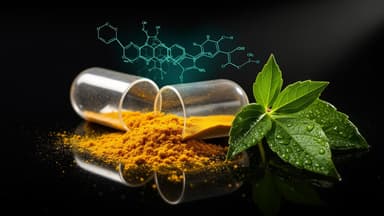
Dihydromyricetin (DHM) is a natural flavonoid antioxidant extracted from Ampelopsis grossedentata (vine tea) and Hovenia dulcis, two plants used in traditional East Asian medicine for centuries. As a DHM antioxidant, it works through two distinct pathways: it upregulates the liver enzymes alcohol dehydrogenase (ADH) and aldehyde dehydrogenase (ALDH) to accelerate ethanol and acetaldehyde clearance, and it activates the Nrf2-Keap1 cellular defense pathway to reduce oxidative stress caused by alcohol metabolism. Clinical evidence now supports both mechanisms. For people who drink socially and want clearer mornings, DHM is one of the most studied natural compounds available.
How does DHM antioxidant work in the body?
DHM’s effectiveness comes from its dual action on the liver and the brain. Most natural antioxidants work on only one front. DHM works on both simultaneously, which is what makes it worth understanding in detail.
Liver enzyme support. DHM upregulates ADH and ALDH, the two enzymes your liver uses to break down ethanol into acetaldehyde and then convert acetaldehyde into harmless acetate. Acetaldehyde is the toxic intermediate responsible for most hangover symptoms, including nausea, headache, and fatigue. Faster ALDH activity means less acetaldehyde accumulates in the bloodstream. Clinical evidence confirms that Hovenia dulcis extractcontaining DHM produces significantly lower blood ethanol and acetaldehyde concentrations (p < 0.05) compared to placebo.
Nrf2-Keap1 antioxidant pathway activation. Alcohol metabolism generates reactive oxygen species (ROS), which damage liver cells. DHM activates the Nrf2 pathway, triggering the production of endogenous antioxidants including glutathione. Glutathione is the liver’s primary detoxifying molecule. More glutathione means less oxidative damage during and after drinking.
GABA-A receptor modulation. Alcohol binds to GABA-A receptors in the brain, producing sedation. When alcohol clears, those receptors rebound into a hyperexcitable state, causing next-morning anxiety and brain fog. DHM competitively antagonizes ethanol’s effect at GABA-A receptors, blunting both the sedation and the rebound. This is the mechanism behind clearer thinking the morning after drinking.
Enzyme upregulation: Faster ethanol and acetaldehyde clearance via ADH and ALDH
Nrf2 activation: Increased glutathione and antioxidant enzyme expression
GABA-A antagonism: Reduced CNS sedation and next-morning rebound anxiety
Anti-inflammatory action: Suppression of NF-κB inflammatory signaling in liver tissue
Take DHM before your first drink, not the morning after. The enzyme upregulation and Nrf2 activation need to be active while your liver is processing alcohol, not after the damage is already done.
What does the research say about DHM’s antioxidant effects?
The evidence base for DHM spans animal studies, preclinical models, and human clinical trials. The quality of evidence varies by application, so it helps to know what each type of study actually shows.
The strongest human data comes from a double-blind, placebo-controlled randomized clinical trial published in 2026. Participants with metabolic dysfunction-associated steatotic liver disease (MASLD) received 300 mg of DHM daily for 12 months. The result: 35% ALT/GGT normalizationin the DHM group versus only 5% in the placebo group. ALT and GGT are liver enzymes that rise when liver cells are stressed or damaged. A 35% normalization rate is a clinically meaningful outcome.
“DHM’s dual action on liver enzymes and neural GABA receptors makes it a unique natural compound for alcohol metabolism and CNS protection. No other widely available flavonoid targets both pathways simultaneously with this level of preclinical and clinical support.”
Animal studies add important mechanistic detail. In chronic alcohol-fed mice, 75–150 mg/kg/day DHM for 7 weeks reduced ALT and AST elevations and decreased liver steatosis (fat accumulation). These are preclinical findings, so direct dose translation to humans requires caution. Still, the direction of effect is consistent across multiple independent research groups.
The honest limitation is that most large-scale human trials focus on liver disease populations rather than healthy social drinkers. The mechanistic evidence is strong. The clinical evidence in healthy adults is promising but still growing.
How should you use DHM supplements for alcohol support?
Dosing strategy matters more with DHM than with most supplements. The compound has a short half-life of approximately 3.7 hours, and oral bioavailability of raw DHM powder is roughly 4%. That low absorption rate is why formulation quality determines real-world results.
For acute alcohol metabolism support (social drinking occasions):
Take 500–600 mg of DHM 30–60 minutes before your first drink.
Repeat 300–600 mg before bed, after your last drink.
Optionally, take another 300 mg upon waking if symptoms persist.
For daily liver and metabolic support:
Take 300 mg twice daily with meals.
Maintain this protocol for 8–12 weeks, consistent with the MASLD clinical trial design.
No loading phase or tapering is required.
Formulation is the variable most people overlook. Micronized DHM and phospholipid-complexed DHM both improve plasma exposure significantly compared to standard powder capsules. When evaluating products, look for formulation detailsthat specify particle size reduction or lipid complexing. A higher-quality formulation at 300 mg can outperform a generic product at 600 mg.
Pre-drink dosing consistently outperforms morning-after-only dosing because DHM needs to be present while ADH and ALDH are actively processing ethanol. Taking it after the fact is like calling the cleanup crew after the flood has already spread.
DHM has a well-established safety profile in both animal and human studies. No significant adverse effects have been reported at standard doses. There is no need for cycling, and it does not interact with common supplements like B vitamins, magnesium, or electrolytes.
What other health benefits does DHM antioxidant offer?
DHM’s antioxidant and anti-inflammatory properties extend well beyond alcohol metabolism support. Researchers are actively studying its broader applications, and the early findings are worth knowing.
Systemic inflammation reduction: DHM suppresses NF-κB signaling, the master switch for inflammatory gene expression. This effect is relevant for anyone dealing with chronic low-grade inflammation, not just drinkers.
Lipid metabolism and insulin sensitivity: Preclinical models show DHM may improve lipid profiles and support insulin sensitivity in metabolic dysfunction. This aligns with its positive results in the MASLD trial population.
Mitochondrial support: DHM activates SIRT3, a mitochondrial protein involved in cellular energy regulation. Better mitochondrial function means more efficient energy production and less oxidative byproduct accumulation.
Neuroprotective potential: Preclinical models show DHM reduces neuroinflammation and oxidative stress in brain tissue. Human evidence is limited, but the mechanistic case is building.
General antioxidant use: DHM’s antioxidant effectson ROS scavenging and Nrf2 activation apply regardless of alcohol consumption. Adults who want broader antioxidant support can use it daily without a drinking occasion as the trigger.
All of these applications are supported by preclinical or early-stage human research. Larger, well-controlled human trials are needed before any of these benefits can be stated with the same confidence as the liver enzyme and alcohol metabolism data. That said, the safety profile makes DHM a reasonable addition to a general wellness protocol while that research matures.
Key Takeaways
DHM is the most studied natural flavonoid for alcohol metabolism support, working through liver enzyme upregulation, Nrf2 antioxidant activation, and GABA-A receptor modulation simultaneously.
What Joyrise has learned about DHM in practice
The science on DHM is genuinely exciting, but the gap between what research shows and what most people actually experience comes down to two variables: timing and formulation. We have seen this pattern consistently. Adults who take a standard DHM capsule the morning after drinking and report “it didn’t work” are almost always using it at the wrong time with a poorly absorbed form.
The pre-drink window is not a marketing claim. It is a biochemical requirement. ADH and ALDH need to be upregulated before ethanol hits the liver at full concentration. Waiting until morning means the acetaldehyde has already peaked and the oxidative damage is already underway.
The other misconception worth addressing is that DHM is only for heavy drinkers. The Nrf2 activation and GABA-A modulation are relevant at any level of alcohol consumption. Even two or three drinks generate enough acetaldehyde and ROS to benefit from enzymatic and antioxidant support. The dose just scales accordingly.
Hydration and nutrition still matter. DHM is not a substitute for water, electrolytes, or a meal before drinking. Think of it as the biochemical layer that works alongside those basics, not instead of them. The adults who report the best results combine DHM with consistent hydration and avoid drinking on an empty stomach.
The research is still growing, particularly for healthy social drinkers as a distinct population. But the mechanistic evidence is solid, the clinical liver data is compelling, and the safety profile is clean. For responsible adults who drink socially and want to support their body’s natural recovery process, DHM is the most evidence-backed natural option currently available.
— Joyrise
Joyrise DHM supplements for alcohol metabolism support
Joyrise formulates its DHM supplements specifically for adults who want science-backed alcohol metabolism support, not generic antioxidant blends. Every product is built around dihydromyricetin sourced for purity and formulated for absorption, addressing the 4% bioavailability problem that makes most raw DHM products underperform.
Whether you want acute support for social occasions or a daily liver supportprotocol, Joyrise offers dosing options that match the clinical trial designs reviewed here. The DHM supplement guidewalks through product selection, dosing schedules, and what to look for in a quality formulation. For adults ready to take alcohol metabolism support seriously, Joyrise is the place to start.
FAQ
What is a DHM antioxidant?
DHM (dihydromyricetin) is a natural flavonoid antioxidant from Ampelopsis grossedentata and Hovenia dulcis that supports liver enzyme activity and activates the Nrf2-Keap1 antioxidant pathway to reduce oxidative stress from alcohol metabolism.
How does DHM help with hangover relief?
DHM accelerates ethanol and acetaldehyde clearance through ADH and ALDH enzyme upregulation, and it reduces next-morning anxietyby blocking alcohol’s rebound effect at GABA-A receptors in the brain.
What is the recommended DHM dosage for alcohol support?
For acute support, take 500–600 mg of DHM 30–60 minutes before drinking and repeat before bed. For daily liver support, 300 mg twice daily for 8–12 weeks aligns with published clinical trial protocols.
Does DHM work for liver health beyond alcohol use?
Yes. A 2026 randomized clinical trial showed 300 mg/day DHM produced 35% liver enzyme normalization in MASLD patients over 12 months, and preclinical studies confirm NF-κB anti-inflammatory and Nrf2 antioxidant effects independent of alcohol consumption.
Why does DHM formulation matter so much?
Raw DHM powder has roughly 4% oral bioavailability. Micronized or phospholipid-complexed formulations significantly improve plasma absorption, meaning the same dose delivers meaningfully more active compound to your liver and bloodstream.
Recommended
DHM Supplement Guide for Alcohol Support | Joyrise
The Silent Protector: DHM Beyond Alcohol
When to Take DHM for Alcohol Support | Joyrise
What Is DHM? The Science of Dihydromyricetin | Joyrise®
Designed for alcohol metabolism support. Made by Joyrise®.
Related: the science/ what is DHM/ DHM hangover relief/ hangover relief capsules.
Important: These statements have not been evaluated by the FDA. Joyrise is not intended to diagnose, treat, cure, or prevent any disease. Follow the exact product label. Joyrise does not reduce impairment or BAC.
Source trail
References and further reading.
Links are preserved from the article so readers can inspect the underlying material. A link does not mean every finding applies to Joyrise or predicts a finished-product outcome.
Suggested citation
Joyrise Science Team. “DHM Antioxidant: How It Supports Alcohol Recovery.” The Joyrise Journal, July 12, 2026. https://www.joyrise.com/blog/dhm-antioxidant-how-it-supports-alcohol-recovery