TL;DR: Antioxidant alcohol support involves using targeted antioxidants to help the body manage oxidative stress caused by drinking. It supports liver functions like acetaldehyde metabolism and activates pathways such as Nrf2, especially through ingredients like dihydromyricetin. While supplements can aid recovery, they do not prevent or reverse liver damage, making moderation and healthy habits essential.
Antioxidant alcohol support is the use of targeted antioxidants to help the body manage oxidative stress and support liver function after drinking. When you consume alcohol, your liver converts it into acetaldehyde, a toxic byproduct that triggers reactive oxygen species (ROS) and depletes glutathione, the body’s primary internal antioxidant. This process is well-documented in peer-reviewed research and forms the biological basis for why antioxidant supplementation has attracted serious scientific attention. Joyrise DHM (dihydromyricetin), a natural flavonoid from vine tea (Ampelopsis grossedentata), is the most studied ingredient in this space, with emerging evidence supporting its role in alcohol and acetaldehyde metabolism, Nrf2 pathway activation, and oxidative stress modulation.
How does alcohol cause oxidative stress and damage the liver?
Alcohol metabolism is not a clean process. The liver handles the bulk of it, and the cleanup leaves behind significant chemical debris.
The core problem starts with two overlapping pathways:
CYP2E1 induction: Chronic alcohol use activates the CYP2E1 enzyme, which generates ROS as a byproduct. More drinking means more enzyme activity, and more ROS flooding liver cells.
Mitochondrial dysfunction: Alcohol disrupts the mitochondria, the energy centers of liver cells. When mitochondria malfunction, they produce additional free radicals and lose their ability to regulate cell death.
Glutathione depletion: Chronic ethanol exposuresignificantly impairs liver redox homeostasis, shown by decreased glutathione and increased lipid peroxidation. Glutathione is your liver’s primary defense molecule. When it drops, oxidative damage accelerates.
Ferroptosis: Recent research identifies a newer damage pathway. Alcohol metabolism promotes ferroptosis, an iron-dependent form of cell death driven by lipid peroxidation and mitochondrial dysfunction. This is a developing research area, but it adds another layer to why alcohol-related liver injury is so difficult to reverse.
The gut-liver axis also plays a role. Alcohol disrupts the intestinal barrier, allowing bacterial endotoxins to enter the bloodstream and reach the liver, where they amplify inflammation. Alcohol-related liver injury involves oxidative stress and inflammatory pathways working together, not in isolation. That complexity is exactly why a single antioxidant rarely solves the whole problem.
If you drink regularly, the oxidative load on your liver compounds over time. Addressing it with consistent antioxidant support, not just occasional supplementation, is what the research points toward.
What antioxidants are studied for alcohol support, and how effective are they?
Not all antioxidants perform equally when it comes to alcohol-related oxidative stress. The evidence varies widely by compound.
DHM (dihydromyricetin)
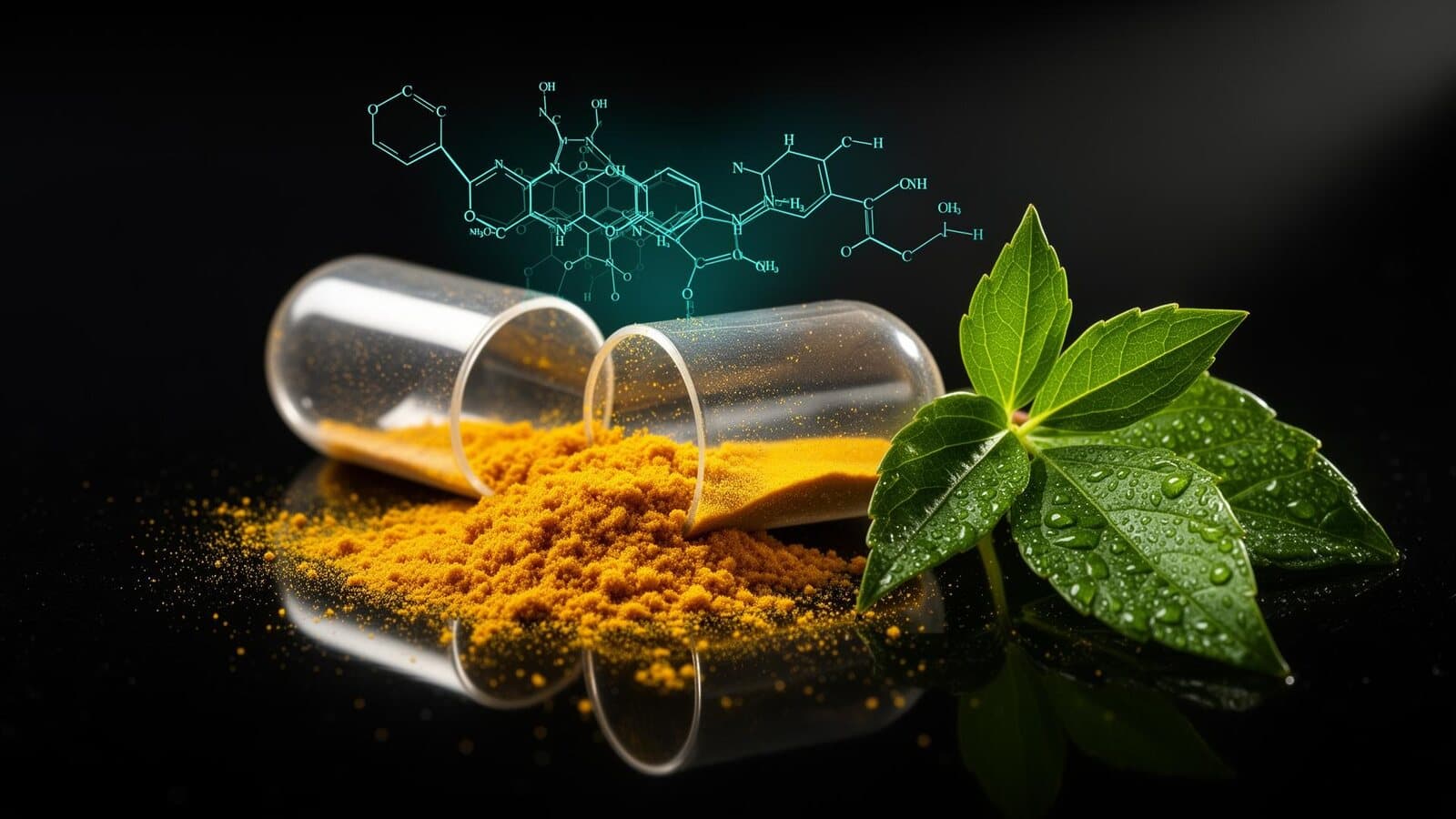
Joyrise DHMis a natural antioxidant sourced from vine tea, used in traditional East Asian medicine for centuries. Modern research supports its role in modulating alcohol and acetaldehyde metabolism, activating the Nrf2 antioxidant response pathway, and reducing inflammation in liver tissue. Studies highlight DHM’s support for cognitive clarity and liver antioxidant pathways, positioning it as a leading supplement ingredient in 2026. The research base is growing, and while most human trials are still emerging, the preclinical data is consistently promising.
N-acetylcysteine (NAC)
NAC supplies cysteine, a building block the body uses to synthesize glutathione. The logic is sound: if alcohol depletes glutathione, replenishing its precursor should help. In animal models, it does. In humans, the results are different. Two randomized controlled trials in 2021 and 2024 found no statistically significant benefit on hangover symptom scores using NAC versus placebo. That gap between animal and human data is a recurring theme in antioxidant research.
Other studied antioxidants
When evaluating any antioxidant supplement, check whether the supporting studies are in animals or humans. Preclinical results are a starting point, not a finish line.
Can antioxidants reduce hangover symptoms and aid recovery?
The honest answer is: partially, and not in the way most marketing suggests. Antioxidants support the biological processes involved in recovery, but they do not eliminate hangover symptoms on their own.
Most marketed hangover cures lack strong clinical evidence. Biological plausibility exists, but proven human efficacy is limited. That distinction matters. A compound can make scientific sense and still fail to produce measurable results in a controlled trial.
For NAC specifically, human trials show no significant reduction in hangover symptoms or oxidative stress markers compared to placebo, despite strong animal model support. This is not a minor caveat. It is the central finding from the best available clinical data.
DHM tells a different story. Research supports its role in next-morning clarity and cognitive function, with mechanisms tied to acetaldehyde clearance and Nrf2 pathway support. The science behind DHMis more targeted than broad antioxidant scavenging, which may explain why its results are more consistent.
Effective recovery after drinking involves several factors working together:
Hydration: Alcohol is a diuretic. Replacing fluids and electrolytes is the single most impactful recovery step.
Sleep: Alcohol disrupts REM sleep. Prioritizing rest after drinking supports cognitive and physical recovery.
Food: Eating before or after drinking slows alcohol absorption and provides nutrients that support liver metabolism.
Time: The liver processes roughly one standard drink per hour. No supplement accelerates that rate.
Targeted supplementation: Joyrise DHM, taken before or after drinking, supports alcohol metabolism and next-morning clarity based on its studied mechanisms.
Basic recovery involves hydration, time, and moderation. Antioxidants work best as a complement to those fundamentals, not a replacement for them.
How to support liver health naturally with antioxidant strategies
Supporting liver health is not a single action. It is a set of consistent habits, with antioxidant supplementation playing a targeted supporting role.
Reduce alcohol intake first. No antioxidant compensates for excessive or chronic drinking. The most protective measure is drinking less, less often. Every reduction in alcohol volume directly reduces the oxidative load on your liver.
Eat a polyphenol-rich diet. Foods like blueberries, dark leafy greens, green tea, and olive oil contain plant polyphenols that activate antioxidant pathways in the liver. These are not supplements. They are dietary foundations that support liver function daily.
Add targeted herbal support. Milk thistle (silymarin) and turmeric (curcumin) have the most research behind them among herbal options. They work best as part of a consistent routine, not as one-time interventions. The role of herbal supplementsin liver health is well-documented at the preclinical level, with growing human data.
Use Joyrise DHM as targeted antioxidant support. DHM’s mechanism is specific to alcohol and acetaldehyde metabolism, making it more relevant for adults who drink than a general antioxidant. Joyrise’s patented formula is built around this specificity. Learn more about DHM’s liver-protective effectsbeyond alcohol metabolism.
Time your supplements correctly. NAC taken close to alcohol consumption may interact unpredictably. Joyrise DHM is designed for use before or after drinking, with dosing guidance available at the DHM dosage guide. Always follow product instructions and consult a healthcare provider if you take other medications.
Monitor and consult a professional. Liver function tests (ALT, AST, GGT) give you real data on how your liver is performing. If you drink regularly, periodic blood work is a practical step, not an overreaction.
Antioxidant support works best when it is consistent. Taking a supplement once after a heavy night is less effective than building a daily routine that includes dietary antioxidants, hydration, and targeted supplementation.
What are the limitations and misconceptions about antioxidant alcohol support?
The supplement market overpromises. Understanding what antioxidants cannot do is as important as knowing what they can.
“No antioxidant fully reverses or prevents alcohol-induced liver disease. Supplements support the body’s existing processes. They do not replace them, and they do not make the liver invincible. Adults who drink regularly and rely solely on supplements without reducing intake are not protected. They are managing symptoms of a larger problem.”
The key misconceptions worth addressing directly:
Antioxidants are not a license to drink more. Industry experts note that small, often industry-funded studies overstate antioxidant benefits. Real-world clinical impact is limited, especially without lifestyle moderation.
Placebo effects are real and significant. Feeling better after taking a supplement does not confirm the supplement caused the improvement. Hydration, sleep, and time do most of the work.
Surrogate markers are not outcomes. A supplement may improve a lab value (like a glutathione level in a blood test) without producing a meaningful change in how you feel or how your liver functions long-term.
Cumulative damage is not reversible with supplements. Chronic alcohol use causes structural liver changes over time. Antioxidants support the liver during and after drinking. They do not undo years of damage.
Clinical oversight matters. If you have existing liver conditions, any supplementation should be discussed with a physician. Antioxidants are generally safe, but interactions and contraindications exist.
Key Takeaways
Antioxidant alcohol support works best when DHM-based supplementation is combined with hydration, dietary polyphenols, and meaningful reductions in alcohol intake.
Joyrise’s take on antioxidant support and realistic liver health
The supplement industry has a credibility problem, and antioxidant alcohol support sits right in the middle of it. We have watched NAC get marketed aggressively to adults who drink, despite two randomized controlled trials showing no meaningful benefit on hangover symptoms. That is not a minor footnote. That is the clinical record.
What we have built at Joyrise is different. DHM’s mechanism is specific. It targets acetaldehyde metabolism, activates the Nrf2 pathway, and modulates the inflammatory response that follows alcohol consumption. The research is not perfect, and we say that openly. But it is directionally consistent in a way that broad antioxidant scavenging is not.
The adults who get the most out of Joyrise DHM are not looking for a shortcut. They drink socially, they care about how they feel the next morning, and they want something grounded in science rather than influencer marketing. That is the audience we built this for.
The uncomfortable truth is that no supplement replaces moderation. If you drink heavily and consistently, antioxidants are a support layer, not a solution. The most protective thing you can do for your liver is drink less. Joyrise works best as part of that picture, not instead of it.
— Joyrise
Joyrise DHM: science-backed support for adults who drink
Joyrise is built around a patented DHM formula sourced from vine tea, with research supporting its role in alcohol and acetaldehyde metabolism, liver antioxidant pathways, and next-morning cognitive clarity. It is not a hangover cure. It is targeted support for adults who want to drink socially and feel their best the next day.
The Joyrise DHM supplement guidecovers everything you need to know about how DHM works, what the research shows, and how to use it effectively. For adults focused on next-morning clarity, the DHM hangover relief pageexplains the specific mechanisms behind Joyrise’s formula. Both pages include dosing guidance and the science behind each claim, so you can make an informed decision rather than a marketing-driven one.
FAQ
What is antioxidant alcohol support?
Antioxidant alcohol support is the use of specific antioxidants to help the body manage oxidative stress and support liver function after drinking. It targets the reactive oxygen species and acetaldehyde produced during alcohol metabolism.
Does NAC help with hangovers?
Clinical evidence says no. Two randomized controlled trials in 2021 and 2024 found no statistically significant reduction in hangover symptoms with NAC compared to placebo, despite strong animal model results.
What is the best antioxidant for liver health after drinking?
DHM (dihydromyricetin) has the most targeted and consistent research for alcohol-related oxidative stress, supporting acetaldehyde metabolism, Nrf2 pathway activation, and next-morning cognitive clarity.
Can antioxidants prevent liver damage from alcohol?
No antioxidant prevents or reverses alcohol-induced liver disease. Antioxidants support the liver’s existing processes during and after drinking, but they do not compensate for chronic or excessive alcohol consumption.
When should you take DHM for alcohol support?
Joyrise DHM is designed for use before or after drinking. For specific dosing and timing guidance, the DHM dosage guide provides detailed instructions based on the available research.
Recommended
Alcohol Support Supplement 2026 Trends: What’s New | Joyrise
Alcohol Metabolism Support Supplement | Joyrise DHM
DHM Supplement Guide for Alcohol Support | Joyrise
The Silent Protector: DHM Beyond Alcohol
Designed for alcohol metabolism support. Made by Joyrise®.
Related: the science/ what is DHM/ DHM hangover relief/ hangover relief capsules.
Important: These statements have not been evaluated by the FDA. Joyrise is not intended to diagnose, treat, cure, or prevent any disease. Follow the exact product label. Joyrise does not reduce impairment or BAC.
Source trail
References and further reading.
Links are preserved from the article so readers can inspect the underlying material. A link does not mean every finding applies to Joyrise or predicts a finished-product outcome.
Suggested citation
Joyrise Science Team. “Antioxidant Alcohol Support: What Actually Works.” The Joyrise Journal, July 19, 2026. https://www.joyrise.com/blog/antioxidant-alcohol-support-what-actually-works