Hangover Biology Explained: What’s Happening Inside You
A hangover is defined as the collection of physical and cognitive symptoms produced by your body’s biological response to processing alcohol and its toxic byproducts. The clinical term is veisalgia, from the Norwegian word for “unease following debauchery” combined with the Greek algia (pain). What is hangover biology explained in plain terms? It is a multisystem physiological event involving acetaldehyde toxicity, immune activation, hormonal disruption, neurotransmitter rebound, and gastrointestinal irritation. Symptoms typically begin 6 to 8 hours after drinkingwhen blood alcohol concentration drops, and they resolve within 8 to 24 hours depending on genetics, drinking volume, and overall health. Understanding each mechanism is the first step toward managing the morning after with more than guesswork.
What is hangover biology explained at the biochemical level?
The liver is the cleanup crew, and acetaldehyde is the mess it struggles to contain. When you drink, liver enzymes convert ethanol into acetaldehyde, a toxic metabolitethat causes nausea, flushing, headache, and sweating. The problem is a speed mismatch: alcohol dehydrogenase (ADH) converts ethanol to acetaldehyde faster than aldehyde dehydrogenase (ALDH2) can convert acetaldehyde to the harmless acetate. That gap creates a temporary buildup of acetaldehyde in your bloodstream, and your body registers it as a low-grade poisoning event.
The hangover science overview gets more nuanced from here. Acetaldehyde levels do not always correlate neatly with symptom severity, which means acetaldehyde alone does not fully explain how bad you feel. Congeners, the chemical byproducts of fermentation found in higher concentrations in dark spirits like bourbon, brandy, and red wine, add to the toxic load and are associated with more severe symptoms compared to cleaner spirits like vodka. The biological effects of hangover are therefore partly a function of what you drank, not just how much.
Key acetaldehyde-related effects include:
Nausea and vomiting from direct gastric irritation and central nervous system signaling
Facial flushing and sweating as the body attempts to dissipate heat from metabolic activity
Headache driven by vasodilation and acetaldehyde’s direct effect on blood vessels
Elevated heart rate as the cardiovascular system responds to the toxic load
Joyrise DHM (dihydromyricetin), a natural flavonoid from Ampelopsis grossedentata vine tea, is studied for its role in supporting alcohol and acetaldehyde metabolism. You can review the underlying research at Joyrise’s science pagefor a full breakdown of the peer-reviewed evidence.
How does dehydration make hangover symptoms worse?
Alcohol suppresses vasopressin, also called antidiuretic hormone (ADH), within 15 minutes of your first drink. With ADH suppressed, your kidneys stop conserving water and begin excreting it at an accelerated rate. The result is the frequent urination you notice while drinking and the dry mouth, throbbing headache, and fatigue you feel the next morning.
The deeper issue is electrolyte loss. Fluid loss carries sodium, potassium, and magnesium out of your system, and these minerals regulate muscle contraction, nerve signaling, and cellular fluid balance. Replacing water alone without restoring electrolytes explains why drinking a full glass of water before bed helps but does not fully resolve symptoms by morning.
Here is a practical framework for managing alcohol-related dehydration:
Drink 12 oz of water per alcoholic drink consumed throughout the evening, not just at the end of the night.
Add an electrolyte source such as a sodium and potassium drink mix before sleep to replace what your kidneys excreted.
Eat before and during drinking because food slows alcohol absorption and reduces the rate of ADH suppression.
Avoid caffeine the morning after until you have rehydrated, since caffeine is also a mild diuretic and will compound fluid loss.
Monitor your environment because heat, exercise, and altitude all accelerate dehydration and will intensify symptoms.
Sports electrolyte products like Liquid I.V. or LMNT work well for post-drinking rehydration because they contain the sodium-glucose cotransport ratio that accelerates water absorption into cells, not just into your gut.
Does alcohol cause inflammation, and how does that affect you?
Alcohol triggers a measurable immune response. A 2021 human study found increased post-alcohol cytokine levelsin the bloodstream several hours after drinking, with cytokine profiles correlating with reported symptom severity. Cytokines are signaling proteins your immune system releases when it detects cellular stress or damage. The biological effects of hangover include this systemic inflammatory response, which is why you feel symptoms that resemble a mild flu: body aches, sensitivity to light and sound, and cognitive fog.
The brain is not insulated from this process. The neuroimmune system, the network of immune cells embedded in brain tissue, responds to alcohol-induced inflammation by releasing its own inflammatory mediators. This contributes to the mental fog and low mood that many people report the morning after drinking, separate from any sleep disruption. Inflammation via cytokine signaling is now recognized as a significant driver of hangover symptoms beyond dehydration alone.
Inflammation-related hangover symptoms include:
Headache and body aches from prostaglandin release, the same pathway activated during illness
Cognitive fog and poor concentration from neuroimmune activation in the prefrontal cortex
Mood disruption and irritability linked to inflammatory cytokines crossing the blood-brain barrier
Fatigue disproportionate to sleep duration because inflammation increases metabolic demand
Dihydromyricetin (DHM) has been studied for its antioxidant and Nrf2-activating properties, which support the body’s natural response to oxidative stress and inflammation. Joyrise formulates its products around peer-reviewed DHM research targeting exactly these pathways.
Why does alcohol wreck your sleep even when you sleep long enough?
Alcohol reduces REM sleep and fragments overall sleep quality, which is why you can sleep nine hours after a night of drinking and still wake up feeling unrested. REM sleep is the stage responsible for emotional processing, memory consolidation, and cognitive restoration. Alcohol suppresses it in the first half of the night and then causes a rebound effect in the second half that produces vivid dreams, frequent waking, and shallow sleep.
The nervous system compounds this problem. Alcohol enhances GABA-A receptor activity, producing its sedative and anxiolytic effects while simultaneously suppressing glutamate signaling. When alcohol clears your system, glutamate signaling rebounds, overshooting its baseline. That rebound produces anxiety, irritability, jitteriness, and heightened sensitivity to stimuli, the cluster of feelings sometimes called “hangxiety.”
Sleep-related hangover effects include:
Reduced REM duration in the first sleep cycle, cutting into cognitive and emotional recovery
Fragmented sleep architecture with more frequent transitions between light and deep sleep
Glutamate rebound anxiety that peaks as blood alcohol concentration approaches zero
Elevated cortisol in the early morning hours as the stress axis compensates for alcohol’s suppressive effects
Sleeping it off is often ineffective precisely because the sleep you get is structurally compromised. More hours in bed does not equal more restorative sleep when REM is suppressed.
What role do your gut and blood sugar play in hangover symptoms?
Alcohol irritates the gastrointestinal lining directly. Ethanol increases stomach acid and causes gastric inflammation, which produces nausea, abdominal discomfort, and delayed gastric emptying. That last effect means food you ate the night before may still be sitting in your stomach the next morning, contributing to the queasy, heavy feeling that makes breakfast unappealing.
Blood sugar disruption adds another layer. Alcohol impairs the liver’s ability to release stored glucose (glycogen) and interferes with pancreatic insulin regulation. The result is hypoglycemia symptoms including shakiness, weakness, sweating, and the irritable, unfocused state sometimes called feeling “hangry.” Eating a balanced meal with complex carbohydrates and protein before or during drinking significantly reduces this effect by keeping glucose available and slowing alcohol absorption simultaneously.
Managing these symptoms comes down to two practical moves: eat before you drink, not after, and choose bland, easily digestible foods the morning after (toast, eggs, bananas) that restore blood sugar without further irritating the stomach lining.
Key takeaways
A hangover is a multisystem biological event driven by acetaldehyde toxicity, dehydration, cytokine-mediated inflammation, sleep disruption, and gastrointestinal irritation acting simultaneously.
Joyrise’s perspective on hangover biology and what it means for recovery
The most common mistake people make is treating a hangover as a single problem with a single solution. Drink water. Take ibuprofen. Eat greasy food. Each of those addresses one thread of a much more tangled biological picture. What the research actually shows is that you are dealing with at least five overlapping physiological processes firing at the same time, and no single intervention touches all of them.
What strikes me most about the hangover science overview is how much of the suffering is immune-driven rather than dehydration-driven. Most people reach for water and call it a day, but cytokine-mediated inflammation and glutamate rebound are not solved by hydration. They require time and, ideally, targeted metabolic support.
That is why Joyrise was built around dihydromyricetin. DHM is not a shortcut or a magic fix. It is a natural flavonoid with a peer-reviewed track record supporting the specific pathways that matter most: acetaldehyde metabolism, antioxidant and Nrf2 response, and inflammation modulation. The goal is to give your body the tools it already uses, in higher concentrations, so recovery happens on a better timeline.
Individual variability matters too. How fast you clear alcohol and its metabolites depends on your genetics, liver enzyme activity, body composition, and what you ate. Two people drinking the same amount can have dramatically different mornings. Understanding your own biology, pacing your drinking, eating before you go out, and supporting your metabolism with evidence-based supplements gives you more control than most people realize.
— Joyrise
Support your recovery with Joyrise DHM
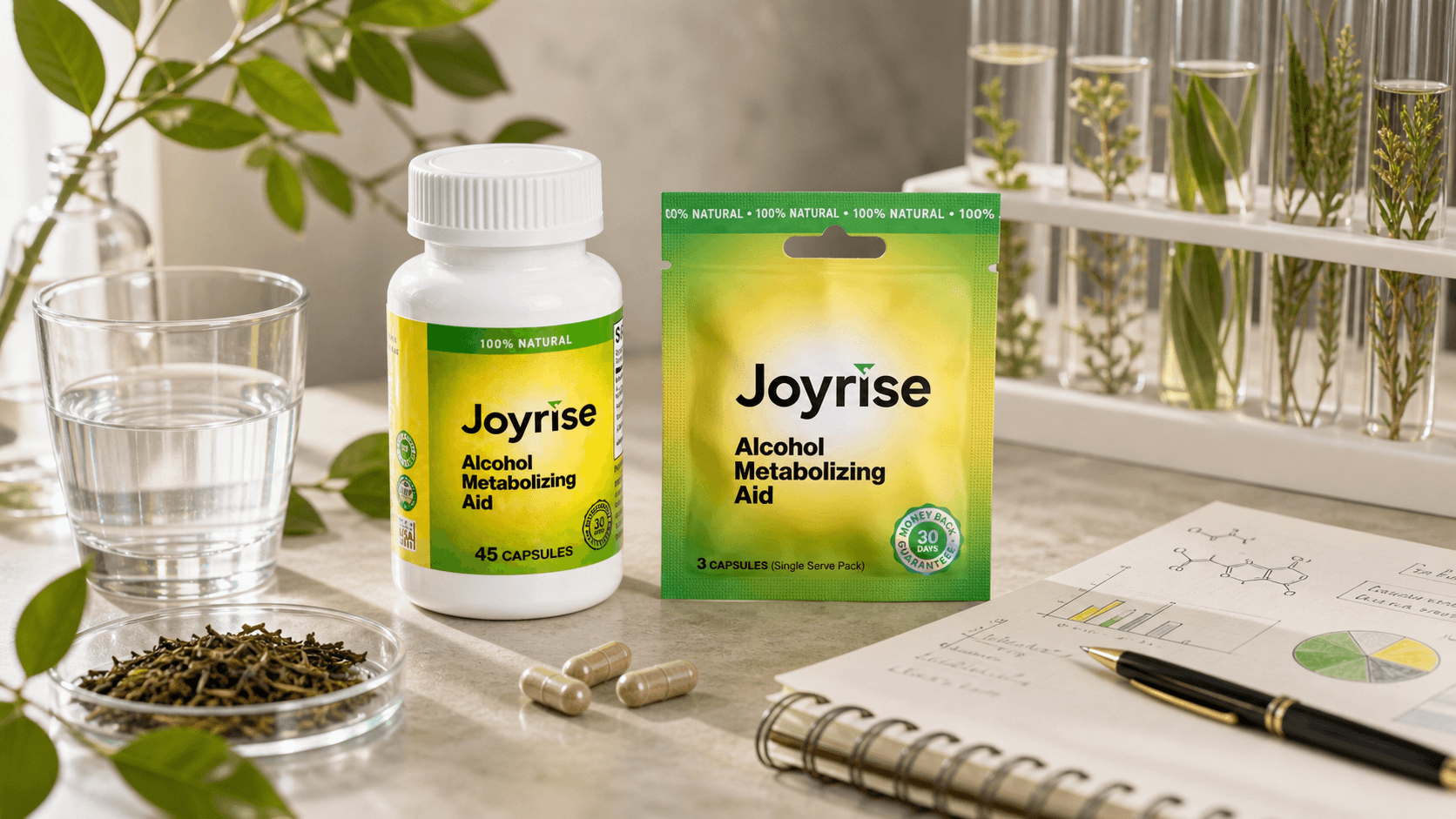
Understanding hangover biology is one thing. Giving your body the right support is another. Joyrise’s patented DHM hangover relief capsulesare formulated around dihydromyricetin, the most studied natural compound for alcohol metabolism support, with a focus on acetaldehyde clearance, liver function, and next-morning clarity. Each formula is built on peer-reviewed science, not marketing claims. Whether you are looking for daily liver support or targeted recovery after a night out, Joyrise offers fast-acting DHM capsulesdesigned to work with your body’s natural processes. Explore the full product line at Joyrise.comand read the science behind every ingredient before you buy.
FAQ
What is hangover biology in simple terms?
Hangover biology refers to the set of physiological processes your body undergoes while metabolizing alcohol and recovering from its toxic effects. These include acetaldehyde buildup, immune activation, dehydration, sleep disruption, and blood sugar fluctuation occurring simultaneously.
Why does acetaldehyde cause hangover symptoms?
Acetaldehyde is a toxic byproduct of ethanol metabolism that accumulates when your liver converts alcohol faster than it can clear the intermediate compound. It directly causes nausea, flushing, headache, and sweating by irritating tissues and triggering vascular changes.
Does drinking water before bed support after-drinking recovery?
Hydration reduces dehydration-related symptoms like headache and dry mouth, but it does not address acetaldehyde toxicity, cytokine-driven inflammation, or sleep disruption. Pairing water with electrolytes improves outcomes compared to water alone.
Why do I feel anxious the morning after drinking?
Alcohol suppresses glutamate signaling while you drink, and when it clears your system, glutamate rebounds above its normal baseline. This neurobiological overshoot produces anxiety, irritability, and heightened sensitivity, a phenomenon often called “hangxiety.”
How long does hangover biology last?
Hangover symptoms typically resolve within 8 to 24 hours for most adults, though individual genetics, drinking volume, and metabolic rate all influence duration. Some people clear symptoms in a few hours; others feel effects well into the following day.
Recommended
Could DHM Protect Your Brain From Alzheimer’s?
Hangover Prevention: What Helps and What Does Not | Joyrise
How Long Does a Hangover Last? What Science Says | Joyrise
DHM for Hangover Relief Support | Joyrise
Designed for alcohol metabolism support. Made by Joyrise®.
Related: the science/ what is DHM/ DHM hangover relief/ hangover relief capsules.
Important: These statements have not been evaluated by the FDA. Joyrise is not intended to diagnose, treat, cure, or prevent any disease. Follow the exact product label. Joyrise does not reduce impairment or BAC.
Source trail
References and further reading.
Links are preserved from the article so readers can inspect the underlying material. A link does not mean every finding applies to Joyrise or predicts a finished-product outcome.
- Symptoms typically begin 6 to 8 hours after drinkingmy.clevelandclinic.org · Clinical or educational source
- acetaldehyde, a toxic metaboliterte.ie · Clinical or educational source
- 15 minutes of your first drinkhealth.clevelandclinic.org · Clinical or educational source
- 2021 human study found increased post-alcohol cytokine levelspubmed.ncbi.nlm.nih.gov · Research publication
- Joyrise.comjoyrise.com · Secondary or commercial source
Suggested citation
Joyrise Science Team. “Hangover Biology Explained: What's Happening Inside You.” The Joyrise Journal, June 2, 2026. https://www.joyrise.com/blog/hangover-biology-explained-whats-happening-inside-you