TL;DR: Electrolytes are essential minerals that restore fluid and mineral balance depleted by alcohol. Proper timing of electrolyte intake, especially before sleep and immediately after drinking, improves hydration and reduces withdrawal symptoms. Combining electrolytes with DHM enhances recovery by supporting liver function and toxin metabolism.
Electrolytes are charged minerals, including sodium, potassium, magnesium, and calcium, that regulate hydration, nerve signaling, and muscle function throughout the body. Understanding electrolyte benefits for alcohol recovery starts with one fact: alcohol is a diuretic. It forces your kidneys to excrete far more fluid than you take in, and those fluids carry essential minerals out with them. Chronic alcohol use actively increases urinary excretionof magnesium, sodium, and potassium, destabilizing nerve function and worsening withdrawal symptoms. Replacing those minerals is not optional. It is the foundation of physical recovery.
1. What are the key electrolyte minerals for alcohol recovery?
Alcohol depletes four minerals faster than most people realize, and each one does a different job in your body.
Sodium controls how much fluid your cells hold. Without enough sodium, your body cannot retain the water you drink, which is why plain water alone often fails to fix dehydration after drinking.
Potassium powers muscle contractions and nerve signals. Approximately 50% of hospitalized patients with alcohol use disorder develop hypokalemia, which is clinically low potassium. That number shows how aggressively alcohol strips this mineral from your body.
Magnesium is the most underappreciated mineral in recovery. Magnesium deficiency correlates strongly with the severity of alcohol withdrawal symptoms, including anxiety, muscle tremors, and poor sleep.
Calcium and phosphorus play supporting roles in bone health, cellular energy, and nerve stability. They are less dramatically depleted than the top three but still worth replenishing.
If you wake up with leg cramps after drinking, that is almost always a potassium or magnesium deficit. A magnesium glycinate supplement or a potassium-rich food like a banana addresses the root cause faster than pain relievers.
2. When and how to use electrolytes for rehydration after alcohol
Timing is the variable most people get wrong. Drinking a sports drink the morning after is better than nothing, but it is far from the most effective approach.
Before you sleep. Electrolyte intake before bed is more effective than morning intake because it prevents a 6–8 hour overnight fluid deficit from building up while you sleep. Mix an electrolyte powder into water and drink it before lying down.
Right after your last drink. Starting electrolyte replenishment immediately after your last drink supports kidney function and maintains hydration before withdrawal symptoms intensify. Do not wait until you feel terrible.
While you are drinking. Alternating alcoholic drinks with water or an electrolyte solution prevents dehydration more effectively than treating symptoms after the fact. One drink, one electrolyte water. That rhythm makes a measurable difference.
Sip slowly, do not chug. Drinking large amounts of fluid rapidly dilutes your remaining electrolytes and can cause nausea. Sip 8 ounces every 15–20 minutes during active recovery.
Continue through the next day. Recovery hydration is not a one-dose fix. Keep sipping electrolyte fluids throughout the following day, especially if you are sweating or feel fatigued.
The most common mistake is waiting until a headache peaks before reaching for electrolytes. By that point, dehydration is already significant. Effective electrolyte use requires timing awareness. Late or insufficient intake reduces benefits and prolongs symptoms.
3. Best electrolyte drinks and supplements for alcohol recovery
Not all electrolyte sources are equal. Here is a breakdown of your best options, from the kitchen to the supplement aisle.
Coconut water is a natural source of potassium and magnesium with moderate sodium. It is low in added sugar and easy on a sensitive stomach. One 8-ounce serving delivers meaningful mineral content without artificial ingredients.
Mineral water (sparkling or still) provides calcium and magnesium in bioavailable forms. Brands like Gerolsteiner and San Pellegrino contain measurable mineral concentrations listed on the label.
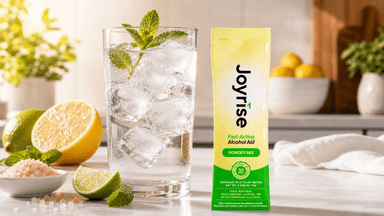
Homemade electrolyte solution made with water, a pinch of sea salt, a squeeze of lemon, and a small amount of honey gives you sodium, potassium, and glucose to aid absorption. It costs almost nothing and works well.
Commercial electrolyte powders and tablets such as LMNT, Liquid I.V., and Nuun are formulated with specific sodium-to-potassium ratios for fast rehydration. Electrolyte drinks improve fluid retention more effectively than plain water because sodium and potassium actively pull fluid into cells.
Pairing electrolyte hydration with a DHM supplementadds a layer of support that electrolytes alone cannot provide. Dihydromyricetin (DHM), a natural flavonoid from Ampelopsis grossedentata (vine tea), supports alcohol and acetaldehyde metabolism, liver function, and next-morning cognitive clarity. Electrolytes address fluid and mineral balance. DHM addresses what happens at the metabolic level.
4. What symptoms electrolytes actually help, and what they don’t
Electrolytes are effective tools. They are not a cure for everything a night of drinking causes. Knowing the difference helps you build a recovery plan that actually works.
Symptoms electrolytes directly improve:
Dehydration headaches caused by fluid and sodium loss
Muscle cramps and weakness from potassium and magnesium depletion
Dizziness and lightheadedness from low blood pressure due to fluid loss
General fatigue linked to poor cellular hydration
Impaired nerve signaling that contributes to brain fog
Symptoms electrolytes do not directly address:
Nausea caused by acetaldehyde toxicity (a byproduct of alcohol metabolism)
Inflammation driving body aches and sensitivity to light
Sleep disruption from GABA-A receptor dysregulation
Anxiety and mood instability from neurochemical imbalance
“Electrolytes relieve dehydration-linked symptoms, but they do not accelerate liver metabolism of acetaldehyde. Their role is fluid and mineral balance, not hangover cure.”
Electrolytes are best used as part of a broader recovery strategy that includes rest, food, and targeted supplements. They handle the hydration side of recovery. Other tools handle the metabolic and neurological sides. Combining both is where you see real results.
5. Signs of electrolyte imbalance to watch for
Your body signals electrolyte depletion clearly if you know what to look for. Catching these signs early lets you intervene before symptoms escalate.
Muscle cramps or twitching are the most common sign of low magnesium or potassium.
Persistent headache that does not respond to water alone usually indicates sodium depletion.
Irregular heartbeat or palpitations can signal low potassium or magnesium. This symptom warrants medical attention, not just a sports drink.
Extreme fatigue and confusion beyond normal tiredness may indicate significant electrolyte imbalance, particularly in people with heavy or prolonged alcohol use.
Nausea when drinking plain water sometimes means your sodium is so low that additional fluid is diluting it further. An electrolyte solution resolves this faster than water alone.
Severe alcohol withdrawal requires medical supervision. Electrolytes are supportive but insufficient for treating seizures or cardiac instability. If symptoms include confusion, uncontrolled shaking, or chest pain, seek emergency care immediately.
6. How to build electrolytes into your daily recovery routine
Consistent electrolyte intake during recovery is more effective than sporadic large doses. The goal is steady mineral replenishment, not a one-time fix.
Start each morning with an electrolyte drink before coffee. Caffeine is a mild diuretic and compounds dehydration if you drink it first.
Eat mineral-rich foods throughout the day. Bananas, avocados, spinach, sweet potatoes, and nuts all deliver potassium and magnesium in food form.
Targeted electrolyte supplementation is most beneficial during illness, high sweat output, or alcohol recovery. Healthy adults eating a balanced diet typically get enough electrolytes from food alone, so supplement when your body is under specific stress.
Avoid high-sugar electrolyte drinks during prolonged recovery. Excess sugar spikes blood glucose and can worsen fatigue and inflammation. Choose low-sugar or sugar-free formulas.
Track your intake for the first few days of recovery. Aim for consistent fluid intake across the day rather than large amounts at once.
Pairing this routine with adequate sleep and protein-rich meals accelerates recovery. Electrolytes support the process. They work best when the rest of your recovery nutrition is also in place. For a broader look at what actually works after a night of drinking, the hangover remedies guideat Joyrise covers the full picture.
Key takeaways
Electrolytes restore the mineral balance alcohol disrupts, and timing your intake correctly makes the difference between a rough morning and a manageable one.
What we’ve learned about electrolytes and recovery
At Joyrise, we have spent years studying what actually helps the body recover after alcohol. Electrolytes are genuinely useful. They are also frequently misunderstood.
The most common mistake we see is treating electrolytes as a morning-after solution. By the time you wake up with a headache, your body has already spent 6–8 hours in a dehydrated state. The window for maximum benefit is the night before, not the morning after. That single shift in timing changes the outcome more than switching from one electrolyte brand to another.
We also want to be direct about what electrolytes cannot do. They do not touch acetaldehyde, the toxic byproduct your liver produces when it breaks down alcohol. Acetaldehyde is responsible for nausea, inflammation, and much of the cognitive fog that follows a night of drinking. That is a metabolic problem, not a hydration problem. Electrolytes solve the hydration problem well. The metabolic side requires a different tool.
The adults we work with who see the best next-morning outcomes combine consistent electrolyte hydration with DHM supplementation. DHM supports alcohol and acetaldehyde metabolism at the liver level, while electrolytes restore the fluid and mineral balance that alcohol strips away. Neither replaces the other. Together, they cover the two biggest physiological challenges alcohol creates.
— Joyrise
Take your recovery further with Joyrise DHM
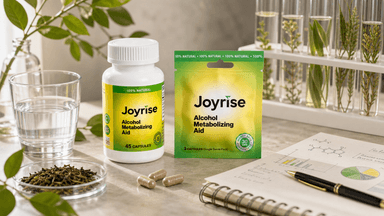
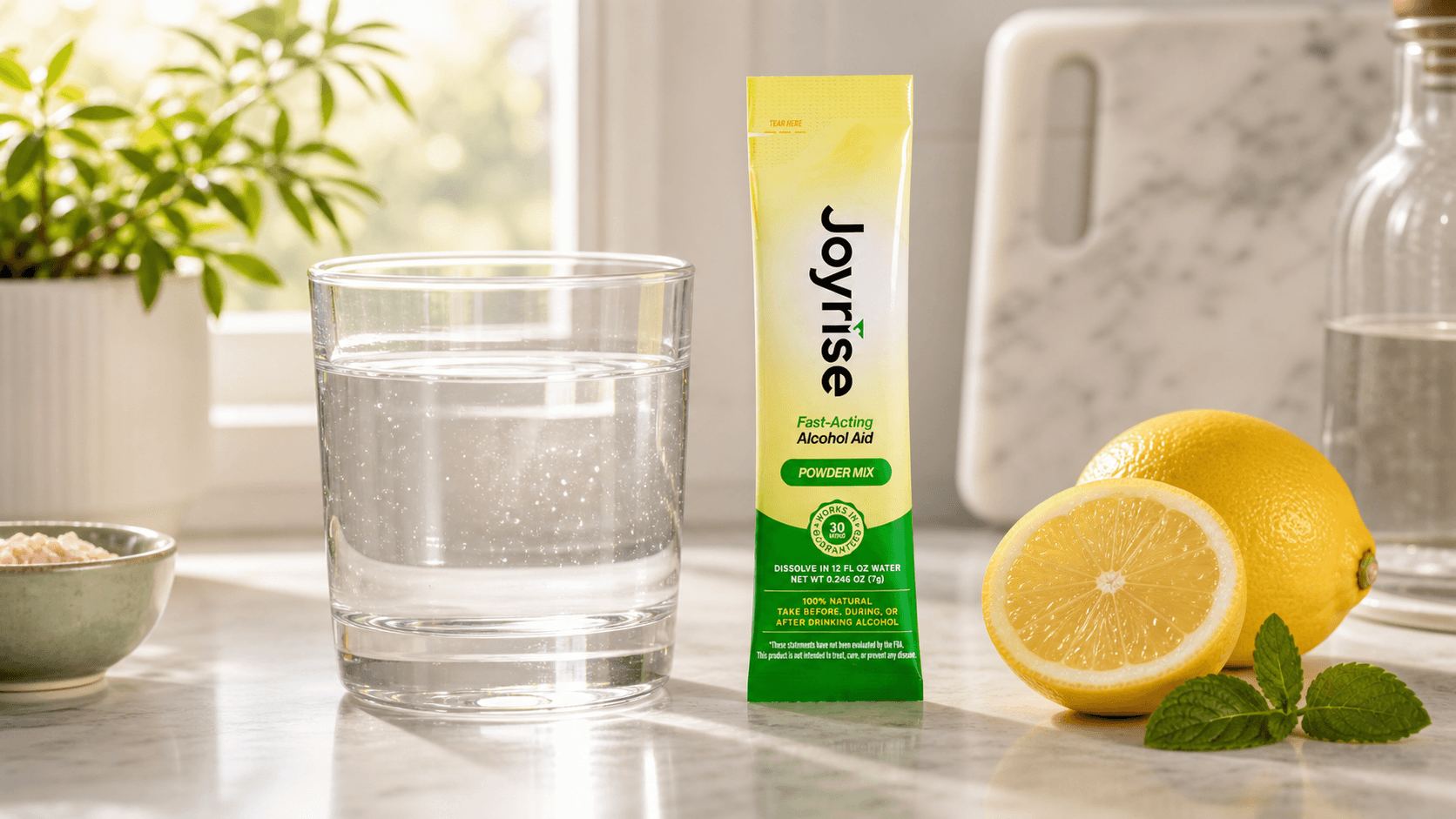
Electrolytes handle hydration. Joyrise handles the rest. Joyrise’s patented DHM formula, built around dihydromyricetin from Ampelopsis grossedentata (vine tea), supports alcohol and acetaldehyde metabolism, liver function, and next-morning cognitive clarity. It works at the metabolic level that electrolytes cannot reach. Adults using Joyrise alongside a solid hydration routine report clearer mornings and less of the fatigue and brain fog that plain electrolyte drinks leave behind. Explore the full Joyrise DHM supplement lineup to see how it fits into your recovery routine. For fast-acting support, the Joyrise hangover relief capsulesare formulated specifically for next-morning clarity.
FAQ
What electrolytes does alcohol deplete the most?
Alcohol most aggressively depletes potassium, magnesium, and sodium through increased urinary excretion. Magnesium deficiency in particular correlates with more severe withdrawal symptoms.
Are electrolyte drinks better than water for rehydration after alcohol?
Yes. Electrolyte drinks improve fluid retention more effectively than plain water because sodium and potassium actively pull fluid into cells rather than allowing it to pass through.
When is the best time to take electrolytes after drinking?
The best time is before you sleep on the night of drinking. This prevents a multi-hour overnight fluid deficit and reduces the severity of morning symptoms.
Can electrolytes reduce hangover symptoms completely?
Electrolytes reduce dehydration-related symptoms like headache, muscle cramps, and fatigue. They do not address acetaldehyde toxicity or inflammation, which are separate causes of hangover discomfort.
Do I need electrolytes every day during alcohol recovery?
Targeted electrolyte supplementation is most beneficial during active recovery phases, especially in the first few days. Once you return to a balanced diet, food sources of potassium, magnesium, and sodium are typically sufficient.
Recommended
After Alcohol Aid for Post-Drinking Support | Joyrise
Hangover Remedies and Supplements | DHM Guide | Joyrise
Hangover Relief and Remedies Guide | Joyrise
Alcohol Support Supplement 2026 Trends: What’s New | Joyrise
Designed for alcohol metabolism support. Made by Joyrise®.
Related: the science/ what is DHM/ DHM hangover relief/ hangover relief capsules.
Important: These statements have not been evaluated by the FDA. Joyrise is not intended to diagnose, treat, cure, or prevent any disease. Follow the exact product label. Joyrise does not reduce impairment or BAC.
Source trail
References and further reading.
Links are preserved from the article so readers can inspect the underlying material. A link does not mean every finding applies to Joyrise or predicts a finished-product outcome.
Suggested citation
Joyrise Science Team. “Electrolyte Benefits for Alcohol Recovery: A Practical Guide.” The Joyrise Journal, June 18, 2026. https://www.joyrise.com/blog/electrolyte-benefits-for-alcohol-recovery-a-practical-guide