The role of electrolytes after drinking is to replace the sodium, potassium, magnesium, and chloride your kidneys flush out when alcohol suppresses vasopressin (ADH), the hormone that tells your body to hold onto water. Without that hormonal signal, your kidneys produce significantly more urine than normal, and that urine carries minerals with it. Rehydrating with electrolytes restores fluid balance more effectively than water alone because electrolyte content, not just volume, determines how well your body retains what you drink. That said, electrolytes address dehydration symptoms specifically. They do not neutralize acetaldehyde, reduce inflammation, or fix disrupted sleep, all of which contribute to a hangover. Understanding this distinction sets realistic expectations and helps you build a smarter recovery strategy.
What happens to electrolytes and fluids in your body after drinking alcohol?
Alcohol’s most immediate effect on hydration is hormonal. Ethanol blocks the release of vasopressin (also called antidiuretic hormone, or ADH) from the pituitary gland. Vasopressin normally signals the kidneys to reabsorb water back into the bloodstream. Without it, the kidneys pass water straight into urine at a higher rate. Each alcoholic drinktriggers roughly 120 milliliters of additional fluid loss through urine. Over a night of several drinks, that adds up to a significant fluid deficit before you even fall asleep.
The problem goes beyond water. Every liter of urine carries dissolved minerals out of the body. The four electrolytes most affected by alcohol-induced diuresis are sodium, potassium, magnesium, and chloride. Each one has a distinct physiological role, and losing them creates specific symptoms you likely recognize the morning after.
Sodium loss is particularly consequential. Sodium is the primary mineral that keeps fluid inside your blood vessels and tissues. When sodium drops, your body cannot hold onto the water you drink, which is why plain water rehydration after heavy drinking often feels inadequate. You drink, you urinate, and you still feel parched. Potassium and magnesium losses compound this by affecting nerve and muscle function, contributing to the weakness and head pain that define a rough morning.
Sip a sodium-containing electrolyte drink before bed on the night you drink. This is when vasopressin suppression is still active and fluid loss is accelerating. Getting ahead of the deficit is more effective than trying to catch up the next morning.
How do electrolytes help reduce hangover symptoms after drinking?
Electrolytes reduce hangover symptoms by restoring the mineral balance that alcohol disrupts, which allows your body to retain the fluids you consume. Electrolyte rehydration takes the edge off dehydration symptoms like headache, fatigue, and dry mouth but does not constitute a complete hangover cure. That distinction matters. If you go into recovery expecting electrolytes to fix everything, you will be disappointed. If you use them for what they actually do, you will notice a real difference.
The mechanism behind effective electrolyte rehydration is the sodium-glucose cotransport pathway. When sodium and glucose are present together in the gut, glucose speeds water absorption from the intestines into the bloodstream. This is the same principle behind oral rehydration therapy used in clinical settings for dehydration. A drink that contains sodium, potassium, and a modest amount of glucose will hydrate you faster than plain water or a zero-sugar electrolyte tablet dissolved in water.
What electrolytes cannot do is equally worth knowing. Hangover symptoms are multifactorial, involving acetaldehyde toxicity (the toxic byproduct of alcohol metabolism), systemic inflammation, oxidative stress, and sleep disruption. Electrolytes address none of those mechanisms. The nausea, brain fog, and sensitivity to light that persist after you are well-hydrated come from those other pathways.
Here is what to look for in an electrolyte drink or supplement for post-drinking recovery:
Sodium (200 to 500 mg per serving): The anchor electrolyte for fluid retention. Avoid products with less than 200 mg per serving.
Potassium (100 to 300 mg per serving): Supports nerve and muscle recovery. Pairs with sodium to restore cellular fluid balance.
Magnesium (50 to 100 mg per serving): Helps ease muscle tension and headache. Often under-dosed in mainstream sports drinks.
Moderate glucose or natural sugar: Activates the sodium-glucose cotransport pathway. Aim for 5 to 15 grams per serving, not 30 to 40 grams.
No excessive caffeine: Caffeine in the same drink can partially offset hydration gains.
Low artificial sweetener load: Some people find high doses of sweeteners worsen nausea after drinking.
Avoid high-sugar sports drinks marketed for endurance athletes. Their electrolyte ratios and sugar levels are calibrated for sustained physical exertion, not hangover recovery. A drink with 30-plus grams of sugar can spike blood glucose and worsen nausea when your stomach is already irritated.
Water only vs. electrolytes vs. sports drinks: which hydration strategy works best?
Not all hydration approaches deliver the same result after a night of drinking. The differences between plain water, purpose-built electrolyte solutions, and mainstream sports drinks are meaningful enough to affect how you feel the next morning.
Plain water rehydrates but does not replace the minerals lost through alcohol-induced diuresis. Drinking large amounts of water without sodium can actually dilute the electrolytes still present in your body, a condition called dilutional hyponatremia in clinical settings. For most people after a casual night out, this is not a dangerous risk, but it does explain why drinking a full liter of water before bed sometimes leaves you feeling only marginally better.
Electrolyte solutions designed with hangover recovery in mind include moderate sodium, potassium, and glucose in proportions that support the sodium-glucose cotransport mechanism. These outperform water alone because they address the mineral deficit directly. The Cleveland Clinic recommends drinking 12 ounces of water alongside each alcoholic drink as a prevention strategy, but that approach works best when the water also contains some electrolytes, particularly sodium, to improve retention.
A few practical points on this comparison:
Coconut water is a popular natural option with solid potassium content but low sodium. It works better as a supplement to a sodium-containing drink than as a standalone recovery solution.
Sports drinks like Gatorade or Powerade are formulated for athletes losing electrolytes through sweat during prolonged exercise. Their sodium content is lower than ideal for hangover recovery, and their sugar content is higher than necessary.
Caffeinated drinks mask fatigue without addressing dehydration and can compound fluid loss through caffeine’s mild diuretic effect.
The practical takeaway: a purpose-built electrolyte solution with 200 to 500 mg of sodium, moderate potassium and magnesium, and 5 to 15 grams of glucose is the most effective single hydration tool after drinking. You can review common electrolyte optionscompared side by side to find what fits your needs.
When and how should you take electrolytes after drinking for best results?
Timing matters as much as what you take. Because vasopressin suppression begins with your first drink and continues for hours afterward, the most effective window for electrolyte intake is before you go to sleep on the night you drink. Waiting until morning means your body has already spent six to eight hours in an accelerated dehydration state.
The physiological rationale is straightforward. Overnight, you are not drinking anything, but your kidneys are still processing alcohol and its metabolites. Fluid and mineral loss continues while you sleep. Starting electrolyte replenishment before bed slows that overnight deficit accumulation. When you wake up, you are starting from a less depleted baseline.
Here is a practical protocol for electrolyte intake after drinking:
Before bed: Drink 8 to 16 ounces of a sodium-containing electrolyte solution. Pair it with a small snack containing carbohydrates and protein to stabilize blood sugar and slow gastric emptying, which improves mineral absorption.
On waking: Sip electrolytes slowly rather than gulping a large volume at once. Rapid intake of large fluid volumes can trigger nausea in an already-irritated stomach and reduces absorption efficiency.
Through the morning: Continue with steady fluid intake, alternating between electrolyte drinks and plain water. Aim for 16 to 24 ounces of electrolyte solution total across the morning.
Avoid caffeine first: Reaching for coffee immediately on waking before any hydration compounds the fluid deficit. Have electrolytes first, then coffee if needed.
Prevention during the drinking session is more effective than catching up afterward. Drinking water alongside alcohol during the night, ideally with some sodium content, reduces the deficit you wake up with. A glass of water between drinks is the simplest version of this strategy.
For most adults, oral electrolyte replacement is sufficient. However, severe electrolyte abnormalitiessuch as hypomagnesemia (low magnesium) or hypokalemia (low potassium) in people with heavy or chronic alcohol use can require medical correction beyond what any drink can provide. If symptoms are severe, persistent, or include muscle cramps, irregular heartbeat, or confusion, medical evaluation is the right call. You can also explore hangover prevention strategiesthat combine hydration with other evidence-based approaches.
Key takeaways
Electrolytes restore the sodium, potassium, and magnesium lost through alcohol-induced diuresis, making them the most effective tool for reducing dehydration-related hangover symptoms when taken before bed and continued through the morning.
The honest truth about electrolytes and hangover recovery
At Joyrise, we have spent considerable time reviewing the science on hangover physiology, and the electrolyte picture is both clearer and more limited than most people expect. Electrolytes genuinely work for what they do. If your headache and fatigue are primarily dehydration-driven, a well-formulated electrolyte drink taken before bed will make a measurable difference. That is not marketing. That is physiology.
Where we push back is on the products and articles that position electrolytes as a hangover solution. They are one piece of a multi-part problem. Acetaldehyde, the toxic intermediate produced when your liver processes ethanol, causes nausea, brain fog, and systemic inflammation that no amount of sodium or potassium will touch. Oxidative stress from alcohol metabolism depletes your body’s antioxidant defenses. Sleep architecture is disrupted by alcohol even when total sleep time looks normal. Electrolytes address none of that.
The most effective approach we have seen combines prevention during drinking (water with electrolytes between drinks), pre-sleep electrolyte replenishment, a real meal before or during drinking to slow alcohol absorption, and targeted support for the metabolic side of the equation. Relying on a single intervention, whether that is electrolytes, sleep, or any supplement, consistently underdelivers. The people who wake up feeling genuinely functional are the ones who addressed multiple mechanisms, not just one.
One more thing worth saying plainly: if you are regularly experiencing severe hangover symptoms that electrolytes and rest do not resolve, that is worth paying attention to. It may reflect heavier drinking patterns that affect electrolyte balance in ways that go beyond what any recovery drink can address. The Quest Diagnostics guidance on electrolyte monitoring is worth reading if you are in that situation.
— Joyrise
How Joyrise DHM supports what electrolytes cannot
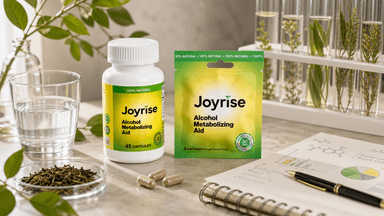
Electrolytes handle the dehydration side of recovery. Joyrise handles the rest. Joyrise DHM capsules are built around dihydromyricetin (DHM), a natural flavonoid from vine tea (Ampelopsis grossedentata) with peer-reviewed research supporting its role in alcohol and acetaldehyde metabolism, antioxidant and Nrf2 pathway activation, and liver function support. Where electrolytes restore minerals, DHM targets the toxic byproduct and oxidative stress pathways that drive brain fog, nausea, and next-morning fatigue. The two approaches are complementary, not competing. Pair a quality electrolyte drink with Joyrise DHM hangover supportfor a recovery strategy that addresses both the fluid deficit and the metabolic load alcohol places on your body. Explore the full Joyrise hangover relief capsulesrange to see how DHM fits into your routine.
FAQ
What is the role of electrolytes after drinking alcohol?
Electrolytes replace sodium, potassium, and magnesium lost through alcohol-induced increased urination, helping the body retain fluids and reducing dehydration symptoms like headache and fatigue. They do not address acetaldehyde toxicity or inflammation, which are separate hangover mechanisms.
Are electrolytes better than water for hangover recovery?
Yes, electrolyte solutions outperform plain water after drinking because sodium activates the sodium-glucose cotransport pathway in the gut, improving how efficiently fluid moves from the intestines into the bloodstream. Plain water rehydrates but does not replace the mineral deficit alcohol creates.
When is the best time to take electrolytes after drinking?
The most effective time is before bed on the night you drink, when vasopressin suppression is still active and fluid loss is ongoing. Continuing with electrolytes through the morning, sipped slowly rather than consumed all at once, provides the best recovery outcome.
Can electrolytes support after-drinking recovery?
No. Electrolytes reduce dehydration-related symptoms but do not address the full range of hangover causes, including acetaldehyde toxicity, systemic inflammation, oxidative stress, and disrupted sleep. A complete recovery strategy requires addressing multiple mechanisms simultaneously.
What are the best electrolytes to take after drinking?
The most effective post-drinking electrolyte formula includes 200 to 500 mg of sodium, 100 to 300 mg of potassium, 50 to 100 mg of magnesium, and 5 to 15 grams of glucose per serving. Avoid products with excess sugar (above 25 grams) or high caffeine content, as both can worsen symptoms.
Recommended
The Silent Protector: DHM Beyond Alcohol
Hangover Remedies and Supplements | DHM Guide | Joyrise
Could DHM Protect Your Brain From Alzheimer’s?
How Long Does a Hangover Last? What Science Says | Joyrise
Designed for alcohol metabolism support. Made by Joyrise®.
Related: the science/ what is DHM/ DHM hangover relief/ hangover relief capsules.
Important: These statements have not been evaluated by the FDA. Joyrise is not intended to diagnose, treat, cure, or prevent any disease. Follow the exact product label. Joyrise does not reduce impairment or BAC.
Source trail
References and further reading.
Links are preserved from the article so readers can inspect the underlying material. A link does not mean every finding applies to Joyrise or predicts a finished-product outcome.
Suggested citation
Joyrise Science Team. “The Role of Electrolytes After Drinking Alcohol.” The Joyrise Journal, June 6, 2026. https://www.joyrise.com/blog/the-role-of-electrolytes-after-drinking-alcohol