Working out and a hangover

Does working out help a hangover?

Exercise does not meaningfully speed alcohol clearance. The liver sets the pace. Risks of working out with a hangover, plus when to skip a session.

Answer firstSource linksLimits included
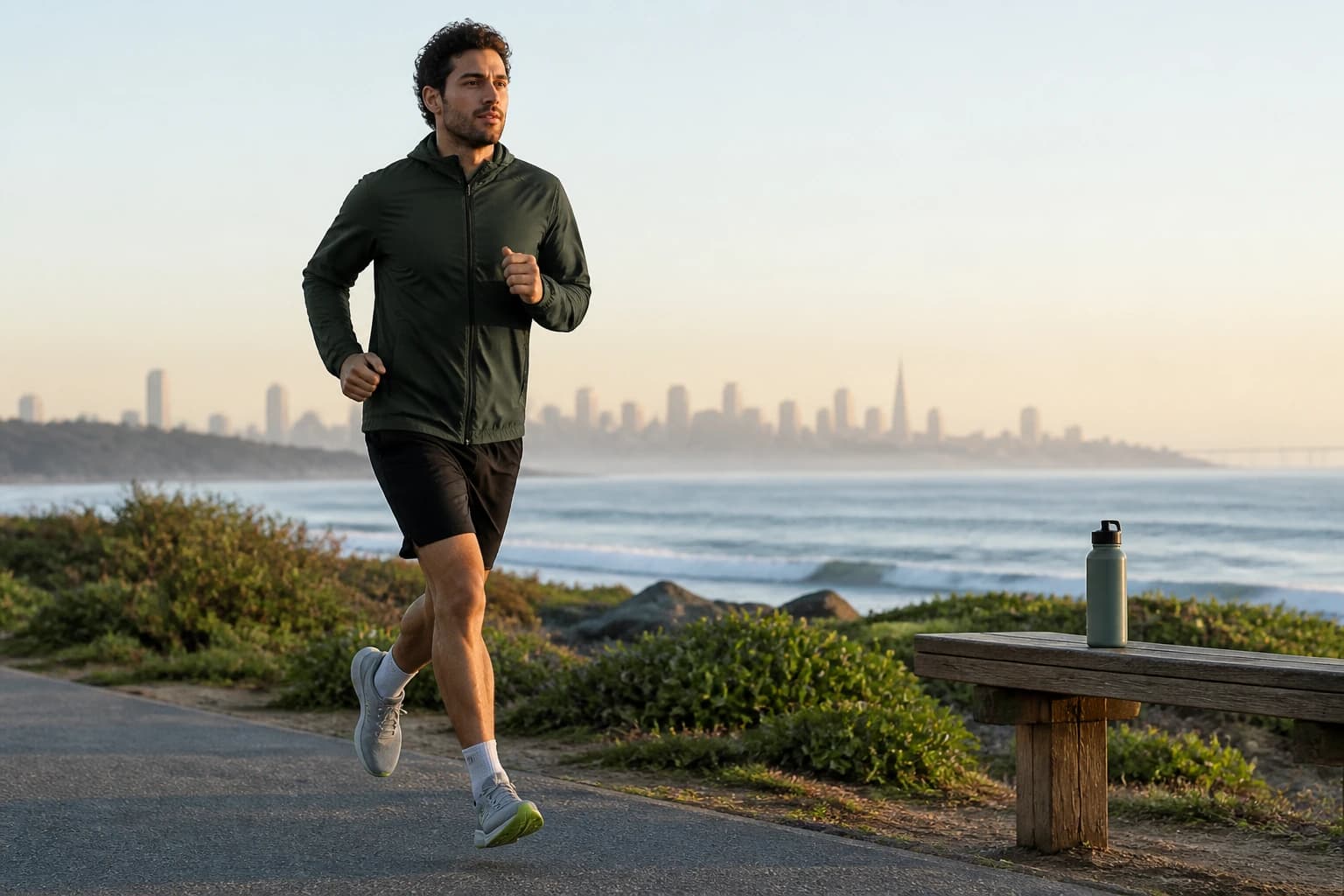
Editorial morning scene of movement after a night out, not a clinical result
Editorial context · not a clinical result
Short answer

No. Working out does not meaningfully speed alcohol clearance, and it is not a hangover cure. NIAAA explains that most ethanol is broken down in the liver and that alcohol metabolism varies between people. Dehydration and impaired coordination are real risks.

Explore the topic

Clearance, sweat, and the risks of a hungover workout

Updated · Joyrise Science Team

This is not medical advice. NIAAA, Mayo Clinic, MedlinePlus, CDC, NIOSH, and the cited review were checked October 26, 2026. A passage in a review is not a personal workout plan.

01

What a hangover is, physiologically

NIAAA defines a hangover as symptoms after drinking too much: fatigue, weakness, thirst, headache, muscle aches, nausea, stomach pain, vertigo, sensitivity to light and sound, anxiety, irritability, sweating, and increased blood pressure. Symptoms peak as blood alcohol returns to about zero and can last 24 hours or longer. Mayo Clinic describes that same morning, including a fast heartbeat, dizziness, and trouble thinking clearly, and says most hangovers go away on their own, though they can last up to 24 hours.

Several pathways overlap. Alcohol suppresses vasopressin, so you lose more fluid, which can add thirst, fatigue, and headache. Sleep breaks up. The stomach is irritated and acid rises. Inflammation rises. Liver metabolism produces acetaldehyde, a toxic, short-lived byproduct. Mayo Clinic also names lower blood sugar and an immune response that can make you feel ill.

MedlinePlus lists a rapid heartbeat with those symptoms and says that even if you feel good the morning after heavy drinking, lasting effects reduce how well you perform. Feeling ready is not the same thing as being ready for working out on a hangover. Duration is on how long a hangover lasts. Fluid loss is on does alcohol dehydrate you.

Sources: Hangovers: causes, remedies, and safety; Hangovers: symptoms and causes; Hangover treatment

02

Does exercise sweat out alcohol?

No. Sweat is not how a drink leaves. Cederbaum lists three principles: less than 10% of alcohol is excreted in breath, sweat, and urine; about 90% is removed by oxidation; and most of that oxidation occurs in the liver. Alcohol is not stored there, and there is no major feedback mechanism to pace the rate to the state of the liver cell. Sweating harder does not open a faster exit.

NIAAA places those steps in the liver. Alcohol dehydrogenase turns ethanol into acetaldehyde. Aldehyde dehydrogenase turns acetaldehyde into acetate, then carbon dioxide and water, mainly outside the liver. The enzyme order is on alcohol metabolism.

NIAAA explains that genetic factors, alcohol intake, and nutrition contribute to differences in alcohol metabolism. There is no single clearance rate for everyone. MedlinePlus says the level rises if you drink faster than the liver clears alcohol. CDC says the liver processes only small amounts. See how long alcohol stays in your system.

Exercise does not take over that job. Cederbaum calls the exercise literature unclear: most studies report only a small increase, perhaps from body temperature or catecholamines. That is not a hangover trial. NIAAA says no online remedy has been shown to work, and time is the only cure it names. Coffee, a shower, or another drink will not cure one. A workout is not on that list.

This page is about working out with a hangover. Drinking after you train, including muscle protein synthesis, stays on alcohol after a workout. A shorter note is on hangover cure myths.

Sources: Cederbaum, 2012: Alcohol metabolism; How the body metabolizes alcohol; Hangovers: causes, remedies, and safety; Alcohol use and safe drinking; Alcohol use and your health

03

Risks: dehydration, heart rate, coordination, and heat

Dehydration is already underway. NIAAA ties suppressed vasopressin and extra urine to thirst, fatigue, and headache. Mayo Clinic adds dizziness and lightheadedness. Sweat from a workout is further fluid loss. NIOSH says alcohol can cause dehydration.

This page sets no heart-rate cutoff. MedlinePlus lists a rapid heartbeat, Mayo Clinic a fast heartbeat, and NIAAA increased blood pressure. Hard effort asks more of a system that may already be off baseline. A heart racing at rest is a reason to skip, not a warm-up. No cited page names a rhythm disorder from this workout, so none is claimed here.

Coordination is impaired in ways a workout uses. NIAAA says attention, decision-making, and muscle coordination can be impaired, which can affect driving and machinery. Mayo Clinic says tasks that need steady hands and coordination suffer, including injury risk. Balance work, speed work, and heavy loads ask for those skills. Feeling more awake is not a reason to drive.

Heat adds risk. CDC says exercise on hot days makes dehydration and heat illness more likely. Stop and cool off if you feel faint or weak. Cramping can be an early sign. NIOSH says alcohol within 24 hours of work in the heat can raise heat-illness risk. A hot room, midday sun, or heavy gear is that setting for working out on a hangover.

Sources: Hangovers: causes, remedies, and safety; Hangovers: symptoms and causes; Hangover treatment; Heat stress: hydration; Heat and athletes

04

If you choose to move: light options, hydration, and when to skip

Exercise is not on Mayo Clinic's hangover treatment list. That list is water or fruit juice, a bland snack if you want one, caution with pain relievers, and more sleep. Time is the only sure cure Mayo names. NIAAA says the only way to completely avoid a hangover is not to drink, or to keep intake to a minimum. Nothing on this page is a reason to drink.

MedlinePlus says most hangovers are gone within 24 hours, and recovery is usually time. If you move, keep it an easy walk on flat ground, in a cool place, in loose clothing. CDC says to start slow and drink water before thirst. Stop if you feel faint, weak, more nauseated, or cramped.

Skip the session in the cases below. Rest is the step Mayo Clinic actually lists. Working out with a hangover does not replace water, food if you tolerate it, or time.

  • You are dizzy, vomiting, very thirsty, or unsteady. Do not add sweat until fluids are staying down.
  • The plan needs balance, speed, or a heavy load. NIAAA and Mayo Clinic both describe dulled attention and coordination during a hangover.
  • It is hot, or you already feel faint or weak. CDC says to stop and get cool. NIOSH says alcohol within 24 hours of heat work can raise heat-illness risk.
  • Confusion, vomiting while barely responsive, slow or irregular breathing, or a person you cannot wake: call 911. That is alcohol poisoning, not a hangover.

Sources: Hangovers: diagnosis and treatment; Hangovers: causes, remedies, and safety; Hangover treatment; Heat and athletes; Heat stress: hydration; Understanding the dangers of alcohol overdose

05

When to seek medical care

Alcohol overdose is not a hangover you can walk off. NIAAA says it begins when alcohol overwhelms brain control of breathing, heart rate, and temperature. Call 911 for confusion, trouble staying conscious, vomiting, seizures, slow breathing (fewer than 8 breaths a minute), irregular breathing (10 seconds or more between breaths), slow heart rate, clammy skin, a dulled gag reflex, or very low body temperature. NIAAA says walking does not reverse an overdose and can make it worse.

Mayo Clinic lists the same emergencies, including a person who cannot be awakened, and says to talk with a clinician if regular hangovers affect work, school, or relationships, including concern about withdrawal. CDC says to get medical care immediately for heat-illness symptoms, and to stop and get cool if you feel faint or weak. This is not medical advice.

Sources: Understanding the dangers of alcohol overdose; Hangovers: symptoms and causes; Heat and athletes

06

Where Joyrise fits, and where it does not

These sources did not test Joyrise. A capsule does not replace water, rest, or a decision to skip a workout. Joyrise is an Alcohol Metabolizing Aid: a DHM supplement built around dihydromyricetin. The capsule label says to take 3 capsules while consuming alcohol, or before bed. Do not exceed 3 servings (9 capsules) per day. Much of the alcohol-related DHM evidence is preclinical, and Joyrise does not lower BAC, reverse impairment, or make driving safe. Read the full directions and warnings on our Alcohol Metabolizing Aid capsules page before you buy.

Sources: Joyrise capsules: product page and current label; Shen et al., 2012: DHM and alcohol-related signaling

What the cited sources say about a workout and a hangover
QuestionWhat the source saysWhat it does not say
Does sweat clear alcohol?Less than 10% leaves in breath, sweat, and urine; about 90% is oxidized, mostly in the liverSweat is not a clearance plan
Does exercise speed that up?Literature unclear; most studies report a small increaseNot a hangover cure
What ends a hangover?NIAAA and Mayo Clinic: timeA workout is not listed as a cure
Movement risksDehydration, fast heartbeat, dulled coordination, heat illnessFeeling better is not fitness to drive

Frequently asked questions

Does working out help a hangover?

It does not meaningfully speed alcohol clearance, and it is not a cure. Cederbaum places most oxidation in the liver, with less than 10% leaving in breath, sweat, and urine, and only a small, uncertain exercise effect. NIAAA says time is the only cure.

Can you sweat alcohol out?

Not in any useful amount. Cederbaum lists less than 10% of alcohol as excreted in breath, sweat, and urine combined, and about 90% as oxidized, mostly in the liver. Sweating is also a hangover symptom NIAAA names. It is not a treatment.

Is working out with a hangover risky?

It can be. NIAAA describes impaired attention, decision-making, and muscle coordination. Mayo Clinic describes dehydration, a fast heartbeat, and trouble with steady tasks. CDC says heat plus exercise raises dehydration and heat-illness risk. NIOSH says alcohol within 24 hours of heat work can raise that risk.

What is a lighter option for working out on a hangover?

If you move, take an easy walk on flat ground in a cool place, and drink water before you are thirsty. Stop if you feel faint or weak. Mayo Clinic lists fluids, a snack, careful pain relief, and sleep, not exercise. Skip balance work, speed work, and heavy loads.

When should you skip a workout and get medical care?

Skip it if you are dizzy, vomiting, unsteady, or already faint. Call 911 for confusion, seizures, slow or irregular breathing, or a person you cannot wake. NIAAA says walking does not reverse an overdose. CDC says to get care immediately for heat illness. This is not medical advice.

Does Joyrise make a workout after drinking safer?

No. Joyrise is an Alcohol Metabolizing Aid: a DHM supplement. It does not lower BAC or make driving safe. Directions are on the Alcohol Metabolizing Aid capsules page. A capsule is not a reason to train through a hangover.

Joyrise Alcohol Metabolizing Aid. One labeled serving.

Read the label, then choose your format.

Shop Joyrise

Joyrise does not reduce impairment or BAC and does not make drinking safer. Never drink and drive.

A little more ready for your plans

Your cart 0