TL;DR: Dihydromyricetin (DHM) is a natural compound that enhances alcohol metabolism and reduces liver stress through antioxidant pathways. It speeds up acetaldehyde clearance and supports cognitive and liver health, especially when taken before drinking. Evidence from human trials shows DHM normalization of liver enzymes, but effects vary and it should be used responsibly.
Dihydromyricetin (DHM) is a natural flavonoid extracted from vine tea (Ampelopsis grossedentata) that supports alcohol metabolism, liver function, and antioxidant defense. Used for centuries in traditional East Asian medicine, DHM has attracted serious scientific attention for its multi-target effects on how the body processes alcohol and manages oxidative stress. The DHM benefits most studied include accelerated acetaldehyde clearance, Nrf2 pathway activation, and GABA-A receptor modulation. A 2026 randomized clinical trial published in Annals of Gastroenterology showed 35% normalization of liver enzymesALT and GGT in patients taking a DHM-based supplement at 300 mg/day over 12 months. That number puts DHM in a different category from most wellness supplements.
What are the main DHM benefits for alcohol metabolism?
DHM supports alcohol metabolism by upregulating two critical enzymes: alcohol dehydrogenase (ADH) and acetaldehyde dehydrogenase (ALDH). ADH converts ethanol into acetaldehyde. ALDH then converts acetaldehyde into acetate, a far less toxic compound. When either enzyme underperforms, acetaldehyde accumulates. That buildup is the primary driver of hangover symptoms including headache, nausea, and fatigue.
Research confirms that DHM accelerates ethanol metabolism by upregulating both ADH and ALDH, reducing the window during which acetaldehyde circulates in the bloodstream. Less acetaldehyde means a shorter, less severe post-drinking recovery period. This mechanism is supported by animal and biochemical studies and is the foundation of DHM’s reputation as an alcohol metabolism supportingredient.
DHM also interacts with GABA-A receptors in the brain. Alcohol amplifies GABA-A signaling, producing sedation and cognitive impairment. DHM modulates this receptor activity, which preclinical models suggest may reduce ethanol-induced neuronal disruption and support clearer cognition after drinking. The GABA-A interaction is one reason DHM’s effects extend beyond the liver.
Key mechanisms at a glance:
ADH upregulation: Speeds conversion of ethanol to acetaldehyde
ALDH upregulation: Speeds conversion of acetaldehyde to acetate, reducing toxic buildup
GABA-A modulation: Supports cognitive recovery and reduces ethanol-induced neuronal disruption
Acetaldehyde clearance: Shortens the period of toxic exposure linked to hangover symptoms
Take DHM 30–60 minutes before your first drink. Timing DHM intake before alcohol consumption optimizes enzyme upregulation so ADH and ALDH are primed when ethanol enters your system, rather than playing catch-up afterward.
How does DHM protect the liver through antioxidant and anti-inflammatory pathways?
DHM’s liver-protective effects operate through two well-documented molecular pathways: Nrf2-Keap1 activation and NF-κB suppression. Understanding both explains why DHM does more than just speed up alcohol processing.
The Nrf2 pathway and glutathione production
The Nrf2-Keap1 pathway is the body’s master antioxidant switch. When DHM activates Nrf2, the liver increases production of glutathione and other endogenous antioxidants. Glutathione is the liver’s primary defense against oxidative stress. Alcohol metabolism generates reactive oxygen species (ROS) that damage liver cells. DHM activates the Nrf2-Keap1 pathway, raising glutathione levels and neutralizing ROS before they cause lasting cellular damage.
NF-κB inhibition and cytokine reduction
Chronic alcohol exposure triggers NF-κB, a protein complex that drives inflammatory signaling in liver tissue. DHM suppresses NF-κB activity, which reduces the release of pro-inflammatory cytokines. Fewer cytokines mean less liver inflammation and a lower risk of alcohol-induced liver steatosis (fatty liver). Preclinical research using the Lieber-DeCarli alcohol liquid diet model showed that DHM at 75–150 mg/kg/day significantly reduced ALT and AST markers and decreased hepatic inflammation over seven weeks. Animal studies cannot be directly extrapolated to humans, but the mechanistic consistency with human trial data strengthens the case.
The 2026 clinical trial reinforces this picture. In 55 participants with metabolic dysfunction-associated steatotic liver disease (MASLD), the DHM group showed significant improvements in glucose, LDL cholesterol, and liver stiffness alongside the 35% enzyme normalization. The placebo group showed only 5% improvement. That gap is clinically meaningful.
How DHM supports liver health through three sequential steps:
Nrf2 activation triggers increased glutathione synthesis, neutralizing alcohol-generated ROS in liver cells.
NF-κB suppression reduces inflammatory cytokine release, limiting liver cell damage from chronic alcohol exposure.
ALT/AST reduction reflects lower hepatocyte injury, confirmed in both animal models and the 2026 human clinical trial.
What other health benefits does DHM offer beyond alcohol support?
DHM’s effects on health extend well beyond the morning after a night out. Emerging research positions it as a multi-target compound with potential benefits for metabolic regulation, neuroprotection, and cognitive support. Most of this evidence is preclinical, and adults should weigh it accordingly.
Glucose and lipid metabolism: A 2026 narrative review in Food & Function found that DHM improves glucose metabolismand lipid profiles in diabetic models. The same 2026 clinical trial showed improvements in LDL cholesterol and glucose in the DHM group, suggesting metabolic benefits that go beyond liver enzyme normalization.
Neuroprotection and brain fog support: DHM’s modulation of GABA-A receptors provides a neuroprotective effect against ethanol-induced neuronal damage. Research by Getachew et al. (2022) and others suggests DHM may reduce cognitive impairment after alcohol exposure, supporting next-morning mental clarity.
Weight management: The Food & Function review also noted weight management effects in metabolic models, though this evidence remains early-stage and has not been confirmed in large human trials.
Oxidative stress support beyond alcohol: Because DHM activates Nrf2 regardless of alcohol intake, its antioxidant effects apply to general oxidative stress from diet, exercise, and environmental exposure. This positions DHM as a general wellness compound, not just a post-drinking tool.
Exercise and sports recovery: Reduced oxidative stress and inflammation are relevant to post-exercise recovery as well. While dedicated sports recovery trials for DHM are limited, the same antioxidant and anti-inflammatory mechanisms that protect the liver after alcohol apply to muscle tissue after intense training.
The science behind DHMcontinues to grow, but adults should treat non-alcohol-related benefits as promising rather than proven at this stage.
How and when should you take DHM supplements?
Timing is the most important variable in DHM supplementation. Taking DHM before drinkingrather than after is the approach supported by pharmacokinetic rationale. The goal is to have ADH and ALDH already upregulated when ethanol enters the system. Taking DHM after drinking may still provide antioxidant support, but it cannot retroactively prevent acetaldehyde accumulation that has already occurred.
The 2026 clinical trial used 300 mg/day as its effective dose for liver enzyme normalization in MASLD patients. For alcohol-related use, practitioners commonly reference doses in a similar range, though individual responses vary. DHM supplements are available in capsule and powder form. Capsules offer consistent dosing and are the most practical format for pre-drinking use.
Most DHM evidence is currently preclinical, and large-scale human trials confirming universal hangover relief are limited. Individual responses vary based on body weight, alcohol intake, and metabolic rate. DHM is not a license to drink more. It supports the body’s natural processing mechanisms and works best as part of a responsible approach to alcohol consumption.
Check the DHM dosage guidebefore starting supplementation. Absorption (bioavailability) varies significantly between formulations, and a patented or enhanced-absorption formula will outperform a basic powder at the same milligram dose.
Key Takeaways
DHM supports alcohol metabolism, liver health, and antioxidant defense through three distinct molecular mechanisms, with the strongest human evidence coming from a 2026 clinical trial showing 35% liver enzyme normalization at 300 mg/day.
The honest case for DHM in 2026
At Joyrise, we have spent considerable time with the DHM literature, and the picture is more nuanced than most supplement marketing suggests. DHM is not a cure for hangovers, and we would never claim otherwise. What it is, based on peer-reviewed evidence, is one of the most mechanistically well-supported natural compounds for alcohol metabolism and liver function support available today.
The 2026 clinical trial data is genuinely significant. A 35% normalization of liver enzymes in a placebo-controlled trial is not a marketing claim. It is a result. The Nrf2 activation and NF-κB suppression mechanisms are not theoretical. They are documented in multiple preclinical studies and are consistent with the human trial outcomes.
Where we urge caution is in extrapolation. Most of the metabolic, neuroprotective, and weight management findings come from animal models. They are promising, not proven. Adults who take DHM expecting guaranteed next-morning clarity every time will sometimes be disappointed. Body weight, alcohol type, hydration, and sleep all interact with DHM’s effects.
The approach we believe in: take DHM before drinking, not after. Pair it with water, food, and reasonable consumption. Treat it as support for your body’s natural systems, not a bypass around them. That framing is both scientifically honest and practically useful. It is also the standard Joyrise holds itself to when formulating and communicating about our products.
— Joyrise
Joyrise DHM supplements for alcohol metabolism support
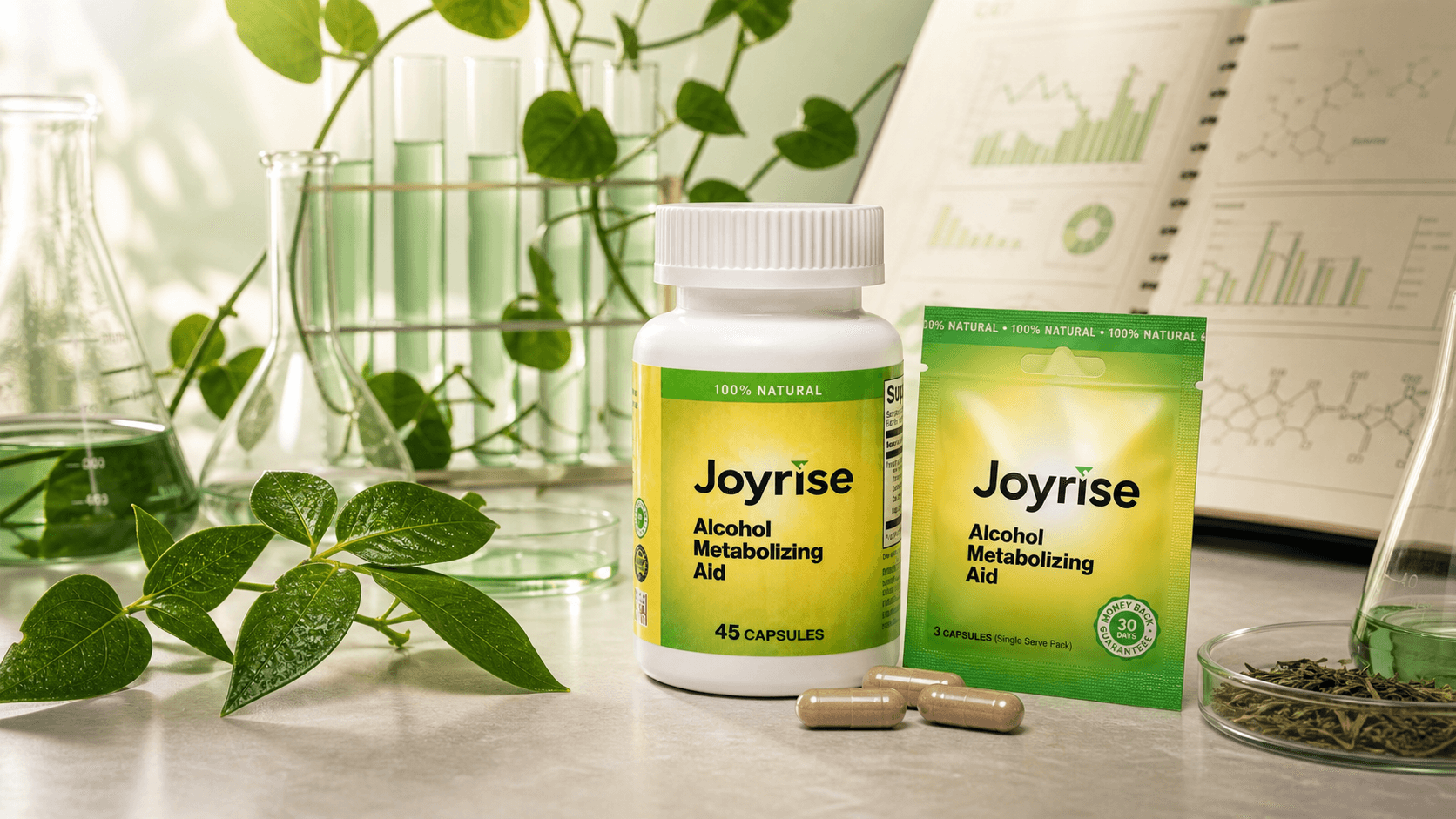
Joyrise formulates its DHM supplements around the same mechanisms the clinical literature supports: ADH/ALDH enzyme upregulation, Nrf2 antioxidant activation, and acetaldehyde clearance. The patented formula is engineered for absorption, because bioavailability determines whether the milligrams on the label actually reach your liver cells. Adults who want to support their body’s alcohol processing and wake up feeling clearer have a science-backed option in Joyrise. Read the full DHM supplement guideto understand the formulation, dosing, and what to realistically expect. For those ready to act, the hangover relief capsulespage covers the full product details.
FAQ
What does DHM do for your body after drinking?
DHM upregulates ADH and ALDH enzymes to accelerate acetaldehyde clearance, activates the Nrf2 antioxidant pathway to reduce oxidative stress, and modulates GABA-A receptors to support cognitive recovery after alcohol consumption.
When is the best time to take a DHM supplement?
Take DHM 30–60 minutes before your first drink. This timing primes the metabolizing enzymes before ethanol enters your system, which is more effective than taking DHM after drinking.
Is DHM safe to take regularly?
DHM is a natural flavonoid with a strong safety profile in both preclinical and clinical studies, including a 12-month human trial at 300 mg/day. Adults should consult a healthcare provider before starting any new supplement, particularly if they take medications or have a liver condition.
Does DHM actually work for hangovers?
DHM supports the biological processes that drive hangover symptoms, specifically acetaldehyde buildup and oxidative stress. Clinical and preclinical evidence supports its effectiveness, but individual results vary and large-scale human trials are still limited.
What is the difference between DHM and dihydromyricetin?
They are the same compound. DHM is the common abbreviation for dihydromyricetin, a flavonoid extracted primarily from Ampelopsis grossedentata (vine tea). Both terms refer to the same active ingredient.
Recommended
What Is DHM? The Science of Dihydromyricetin | Joyrise®
DHM for Hangover Relief Support | Joyrise
The Science of DHM — Peer-Reviewed Research | Joyrise®
DHM Supplement Guide for Alcohol Support | Joyrise
Designed for alcohol metabolism support. Made by Joyrise®.
Related: the science/ what is DHM/ DHM hangover relief/ hangover relief capsules.
Important: These statements have not been evaluated by the FDA. Joyrise is not intended to diagnose, treat, cure, or prevent any disease. Follow the exact product label. Joyrise does not reduce impairment or BAC.
Source trail
References and further reading.
Links are preserved from the article so readers can inspect the underlying material. A link does not mean every finding applies to Joyrise or predicts a finished-product outcome.
Suggested citation
Joyrise Science Team. “DHM Benefits: What the Science Says in 2026.” The Joyrise Journal, July 3, 2026. https://www.joyrise.com/blog/dhm-benefits-what-the-science-says-in-2026