TL;DR: Dihydromyricetin (DHM) is a natural flavonoid that supports brain health by clearing damaged cells and reducing neuroinflammation. It crosses the blood-brain barrier and promotes neuronal repair, neurotrophic signaling, and gut-brain axis health. Long-term, consistent use may help maintain cognition and mitigate neurodegenerative processes.
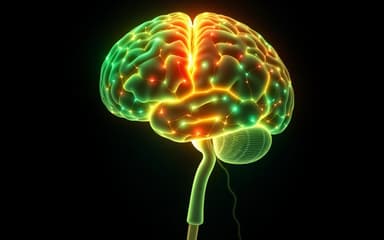
Dihydromyricetin (DHM) is a natural flavonoid extracted from vine tea (Ampelopsis grossedentata) that supports cognitive function by clearing damaged brain cells, reducing neuroinflammation, and promoting neuronal growth factors. Used for centuries in traditional East Asian medicine, DHM has attracted serious scientific attention for its dihydromyricetin cognitive support mechanisms, particularly its rare ability to cross the blood-brain barrier and act directly on brain tissue. Research published in 2026 confirms DHM’s senotherapeutic activity in animal models, showing measurable improvements in memory and behavioral stability. For adults seeking natural nootropics for cognition, DHM represents one of the most mechanistically specific options available today.
How does dihydromyricetin support brain health and memory?
DHM supports brain health through several distinct biological pathways, not just one. That multi-target profile is what separates it from most cognitive enhancement supplements, which typically address only oxidative stress or a single neurotransmitter system.
The most significant mechanism is DHM’s senolytic activity. Senescent cells are damaged, dysfunctional cells that stop dividing but refuse to die. In the brain, these are called senescent microglia, and their accumulation drives neuroinflammation and cognitive decline. DHM clears senescent microglial cellsby impairing their mitochondrial function and triggering apoptosis, while simultaneously protecting healthy brain cells. That selective action is clinically meaningful. Most antioxidants cannot distinguish between damaged and healthy cells.
DHM also promotes DNA repair in healthy neurons through a process called PRDX2 nuclear translocation. PRDX2 is a peroxiredoxin protein that, when activated by DHM, moves into the cell nucleus and supports genetic repair mechanisms. This is a fundamentally different action from standard antioxidants like vitamin C or resveratrol, which neutralize free radicals but do not cross the blood-brain barrier or trigger intracellular repair programs.
The third major pathway involves neurotrophic signaling. DHM upregulates BDNF and VEGFA/VEGFR2 signaling in hippocampal tissue. BDNF (brain-derived neurotrophic factor) is the brain’s primary growth protein, essential for neuron survival, synaptic plasticity, and memory consolidation. VEGFA/VEGFR2 signaling supports vascular health in brain tissue, ensuring neurons receive adequate blood flow and oxygen.
Key cognitive mechanisms DHM activates:
Senolytic clearance: Removes dysfunctional senescent microglia linked to neurodegeneration
PRDX2 DNA repair: Promotes genetic repair in healthy neurons via nuclear translocation
BDNF upregulation: Supports neuron growth, survival, and memory consolidation
Cytokine suppression: Reduces IL-1β, IL-6, and TNF-α, the primary drivers of brain inflammation
BBB penetration: Acts directly on brain tissue, unlike most dietary antioxidants
If you are evaluating cognitive function support supplements, look for peer-reviewed evidence of blood-brain barrier penetration. A compound that cannot reach the brain cannot protect it, regardless of its antioxidant score in lab assays.
What role does the gut-brain axis play in DHM’s cognitive benefits?
The gut-brain axis is the bidirectional communication network between your digestive system and your central nervous system. Disruption of this axis, particularly through gut microbiota imbalance, drives systemic inflammation that reaches the brain and impairs cognitive function. DHM addresses this pathway directly.
Research shows DHM modulates gut microbiota composition by promoting beneficial bacterial populations and suppressing pathogenic strains. The downstream effects on brain health are significant and measurable. Here is how the process works:
Microbiota rebalancing: DHM increases populations of beneficial gut bacteria, restoring microbial diversity disrupted by diet, alcohol, or stress.
Short-chain fatty acid production: Beneficial bacteria produce acetic acid, propionic acid, and butyric acid. These short-chain fatty acids cross into the bloodstream and reduce neuroinflammation directly.
NLRP3 inflammasome suppression: DHM inhibits the NLRP3 inflammasome, a key molecular trigger of hippocampal neuroinflammation. Suppressing NLRP3 reduces the release of IL-1β and other pro-inflammatory cytokines in brain tissue.
Intestinal barrier repair: DHM restores gut barrier integrity by inhibiting TLR4/NF-κB signaling, reducing the systemic leakage of inflammatory molecules that would otherwise reach the brain.
Behavioral stabilization: Studies in animal models show that DHM’s gut-mediated effects correlate with reduced anxiety-like behavior and improved cognitive performance, confirming the gut-to-brain connection is functionally relevant.
Fecal microbiota transplantation experiments confirm this mechanism. When gut microbiota from DHM-treated animals is transferred to untreated animals, neuroprotective effects partially transfer as well. That finding establishes the gut microbiota as a genuine mediator of DHM’s brain benefits, not just a coincidental association.
Gut health and cognitive clarity are more connected than most people realize. If you experience brain fog after dietary disruption, alcohol consumption, or illness, DHM’s gut-brain axis effects may be particularly relevant to your situation.
What does scientific research say about DHM and neurodegenerative diseases?
Preclinical research on DHM and neurodegenerative disease is among the most compelling in the natural nootropics field. The evidence spans Alzheimer’s disease, Parkinson’s disease, and general age-related cognitive decline. All current data comes from animal and cell-based models. Human clinical trials are an emerging area, and readers should weigh that context appropriately.
In Alzheimer’s models using 5xFAD mice, DHM clears amyloid β-protein plaques and removes the senescent microglial cells that accumulate around them. Amyloid β plaques are the hallmark pathology of Alzheimer’s disease. Their clearance in animal models correlates with measurable improvements in memory and spatial navigation tasks.
For Parkinson’s disease, the relevant pathology is α-synuclein aggregation. Misfolded α-synuclein proteins clump together and destroy dopamine-producing neurons. DHM disaggregates α-synuclein fibrilsin laboratory studies, both preventing new aggregates from forming and breaking apart pre-existing ones. That dual action, prophylactic and curative, is rare among natural compounds.
DHM’s ability to disaggregate pre-existing protein aggregates is particularly significant. Most neuroprotective compounds work prophylactically. DHM acts on existing pathogenic aggregates, suggesting potential relevance even for people who already show early signs of neurodegenerative protein damage. This is an area where human research is actively needed to confirm preclinical findings.
The broader picture is that DHM suppresses multiple pro-inflammatory pathways simultaneously, including AGE-RAGE, PI3K/AKT, and NLRP3. That multi-pathway suppression addresses brain fog and cognitive fatigue at a systems level, rather than targeting a single molecular bottleneck.
Who benefits most from DHM cognitive support supplements?
Adults seeking gradual, research-backed cognitive maintenance are the primary audience for DHM supplementation. DHM is not a stimulant. It does not produce an immediate cognitive “boost” the way caffeine does. Its value is in long-term brain health support through consistent use over weeks and months.
The adults most likely to benefit include:
Those experiencing age-related cognitive fatigue: DHM’s senolytic clearance of dysfunctional microglia directly addresses one of the biological drivers of age-related mental slowness.
Adults who drink alcohol regularly: Alcohol disrupts gut microbiota, increases systemic inflammation, and impairs next-morning cognitive clarity. DHM’s alcohol metabolism supportand gut-brain axis effects address both the acute and chronic cognitive costs of alcohol consumption.
People dealing with brain fog: DHM’s reduction of IL-1β, IL-6, and TNF-α targets the neuroinflammatory signature most commonly associated with persistent brain fog.
Those focused on long-term brain health: DHM’s BDNF upregulation and PRDX2 DNA repair mechanisms support the kind of gradual, structural brain maintenance that pays off over years, not days.
Lifestyle factors amplify DHM’s effects. Regular aerobic exercise independently raises BDNF levels, creating a synergistic effect when combined with DHM supplementation. Quality sleep allows the brain’s glymphatic system to clear metabolic waste, complementing DHM’s senolytic clearance of damaged cells. A diet rich in fiber supports the gut microbiota diversity that DHM’s gut-brain axis mechanisms depend on.
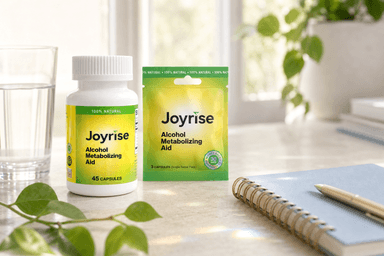
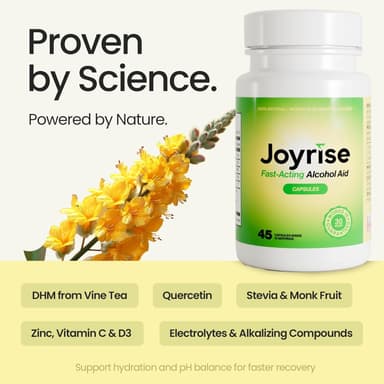
When selecting a DHM supplement, bioavailability matters significantly. DHM’s absorption rate varies considerably by formulation. Research-backed products with verified absorption profiles deliver meaningfully more active compound to the brain than generic bulk powders. Joyrise formulates its DHM products with bioavailability as a primary design consideration, connecting supplement science directly to real-world cognitive outcomes.
Key Takeaways
DHM supports cognitive function through at least four distinct mechanisms: senolytic clearance of damaged brain cells, PRDX2-mediated DNA repair, BDNF and VEGFA/VEGFR2 upregulation, and gut-brain axis modulation that reduces hippocampal neuroinflammation.
Joyrise’s perspective on DHM and cognitive longevity
DHM is one of the few natural compounds with a mechanistic case strong enough to take seriously for long-term brain health. Most natural nootropics rely on antioxidant activity alone. DHM operates at a different level, clearing dysfunctional cells, repairing DNA, modulating gut-derived inflammation, and supporting neurotrophic signaling simultaneously. That combination is genuinely unusual.
What I find most compelling is the senolytic angle. The accumulation of senescent microglia is a recognized driver of cognitive aging, and very few natural compounds have demonstrated the ability to selectively clear these cells while protecting healthy neurons. DHM does both, and the 2026 research in 5xFAD mouse models makes that case with specificity.
The honest caveat is that human clinical data is still limited. Preclinical results in mice do not always translate directly to humans, and anyone expecting DHM to function like a pharmaceutical cognitive enhancer will be disappointed. The value proposition is different: consistent, gradual support for the biological conditions that allow your brain to function well over decades.
The adults who get the most from DHM are those who treat it as part of a broader commitment to brain health, not a shortcut. Pair it with exercise, prioritize sleep, and give it time. The peer-reviewed researchon DHM’s mechanisms is genuinely exciting. The clinical story is still being written, and that is worth watching closely.
— Joyrise
Joyrise DHM: research-backed support for cognitive clarity
Joyrise builds its DHM formulations around the same mechanisms the research highlights: senolytic activity, neuroinflammation reduction, and bioavailable delivery that gets DHM where it needs to go.
If you are ready to add a research-backed DHM supplement to your cognitive health routine, Joyrise offers a clear starting point. The DHM science overviewon Joyrise.comwalks through the neuroprotective mechanisms in detail, connecting the peer-reviewed evidence directly to the formulation decisions behind each product. For those who drink socially and want to protect both next-morning clarity and long-term brain health, Joyrise DHM capsules address both goals in a single, patented formula. Consistent use, combined with healthy habits, is where the real cognitive benefit lives.
FAQ
What is dihydromyricetin used for in cognitive health?
DHM is used to support brain health through senolytic clearance of damaged microglia, reduction of neuroinflammatory cytokines like IL-1β and TNF-α, and upregulation of BDNF. These mechanisms support memory, mental clarity, and long-term cognitive function.
How does DHM cross the blood-brain barrier?
DHM’s molecular structure allows it to pass through the blood-brain barrier, where it acts directly on brain cells. Most dietary antioxidants cannot achieve this, which is what makes DHM’s neuroprotective mechanisms mechanistically distinct.
Is DHM effective for Alzheimer’s or Parkinson’s disease?
Current evidence is preclinical. Animal studies show DHM clears amyloid β plaques and disaggregates α-synuclein fibrils associated with Alzheimer’s and Parkinson’s disease, respectively. Human clinical trials are needed to confirm these findings.
How long does DHM take to support cognitive function?
DHM’s senotherapeutic and anti-inflammatory effects build gradually over consistent use. Unlike stimulants, DHM supports structural brain health over weeks and months rather than producing an immediate cognitive effect.
What is the best way to take DHM for brain health?
Research points to consistent daily use paired with lifestyle factors that amplify DHM’s mechanisms, including aerobic exercise for BDNF support, quality sleep for glymphatic clearance, and a fiber-rich diet for gut microbiota health. Bioavailability varies by formulation, so selecting a research-backed product matters.
Recommended
The Science of DHM — Peer-Reviewed Research | Joyrise®
Alcohol Metabolism Support Supplement | Joyrise DHM
DHM Supplement Guide for Alcohol Support | Joyrise
When to Take DHM for Alcohol Support | Joyrise
Designed for alcohol metabolism support. Made by Joyrise®.
Related: the science/ what is DHM/ DHM hangover relief/ hangover relief capsules.
Important: These statements have not been evaluated by the FDA. Joyrise is not intended to diagnose, treat, cure, or prevent any disease. Follow the exact product label. Joyrise does not reduce impairment or BAC.
Source trail
References and further reading.
Links are preserved from the article so readers can inspect the underlying material. A link does not mean every finding applies to Joyrise or predicts a finished-product outcome.
Suggested citation
Joyrise Science Team. “Dihydromyricetin Cognitive Support: What the Science Shows.” The Joyrise Journal, July 16, 2026. https://www.joyrise.com/blog/dihydromyricetin-cognitive-support-what-the-science-shows