Alcohol metabolism support supplements are defined as nutritional compounds that aid the body’s processing of ethanol and its toxic byproduct acetaldehyde, reducing hangover severity and supporting liver function in adults who drink socially. Understanding how supplements support social drinking adults starts with one biochemical fact: acetaldehyde, not alcohol itself, drives most of the headache, nausea, and fatigue you feel the morning after. Recent 2026 randomized controlled trials on java water-dropwort extract, Sang Kwe Hwan® yeast extract, and Lactobacillus-fermented garlic extract have moved this field from anecdote to measurable pharmacokinetics. Joyrise DHM (dihydromyricetin), derived from Ampelopsis grossedentata vine tea, sits at the center of this evidence base with peer-reviewed support for alcohol and acetaldehyde metabolism, antioxidant response, and next-morning clarity. These supplements are adjuncts, not substitutes, for responsible drinking habits like hydration, pacing, and adequate sleep.
Designed for alcohol metabolism support
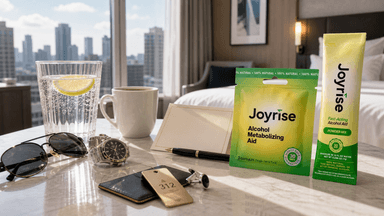
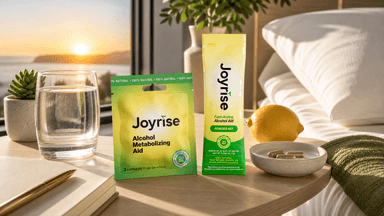
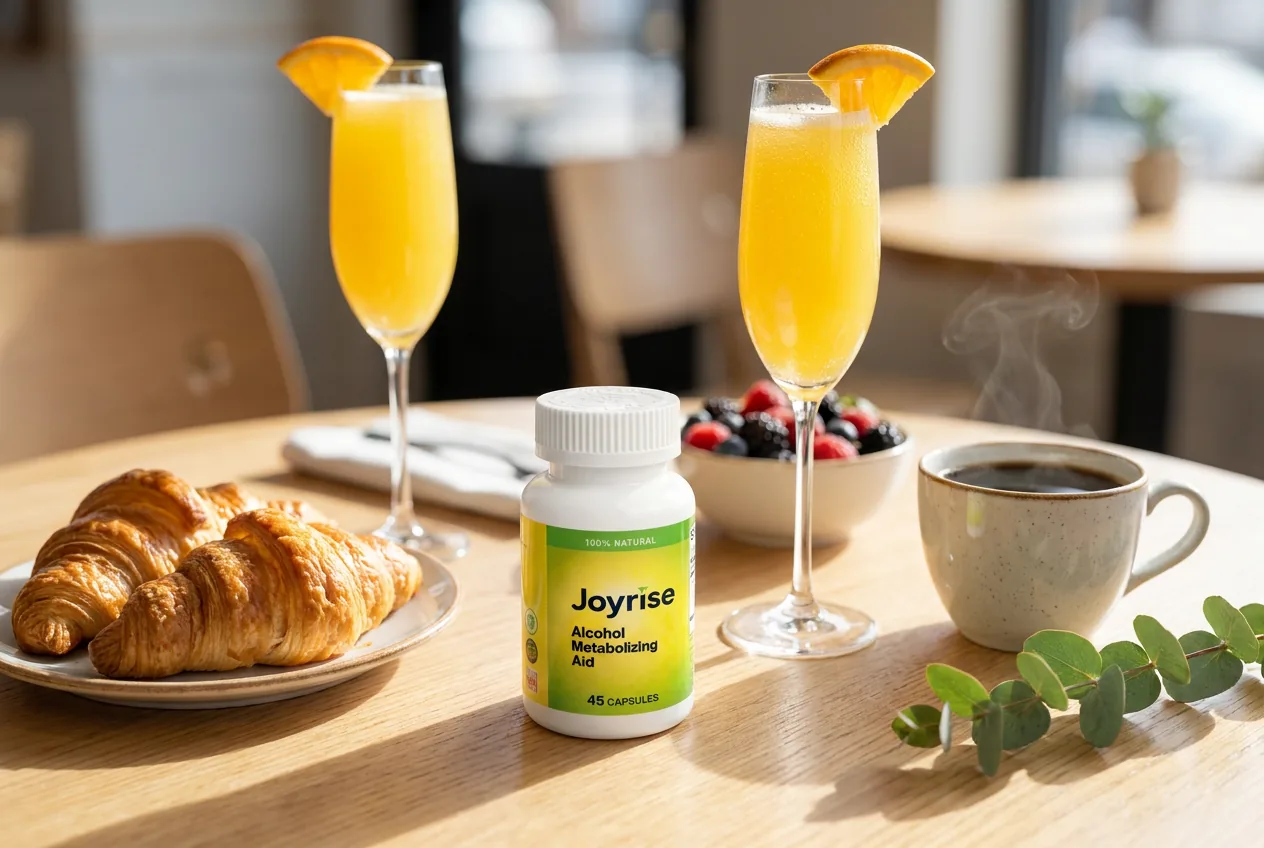
Joyrise capsules deliver our patented bioavailable DHM for alcohol metabolism support and next-morning clarity support. Follow the serving size, timing, and daily limit on your purchased Joyrise label.
Which supplements have clinical evidence for alcohol metabolism support?
Credible supplement support for social drinkers comes from reductions in acetaldehyde and blood alcohol exposure measured in human clinical trials, not subjective marketing claims. Three categories of compounds now have randomized, double-blind, placebo-controlled data behind them.
Botanical extracts with pharmacokinetic data:
Java water-dropwort extract (Oenanthe javanica): A 2026 double-blind RCT in 36 healthy adults found that taking this extract 30 minutes before drinking reduced blood alcohol AUC by ~11% and acetaldehyde AUC by ~21%, with statistically significant improvements in hangover severity scores and no adverse events. An 11% reduction in blood alcohol exposure sounds modest, but a 21% drop in acetaldehyde is clinically meaningful because acetaldehyde is the compound most directly linked to hangover symptoms.
Yeast extract (Sang Kwe Hwan®): A 2026 single-dose randomized crossover trial showed this product reduced acetaldehyde Cmax by 15 to 18%versus placebo, with confidence intervals confirming efficacy. That level of reduction translates to measurably lower hangover symptom scores on validated scales.
Lactobacillus-fermented garlic extract: A 2026 crossover RCT in 25 participants demonstrated significant AHS score reductionsfor headache, thirst, and fatigue at multiple timepoints post-drinking, alongside lower early blood alcohol concentrations.
Precursor and cofactor compounds:
NAC (N-acetylcysteine): NAC is a glutathione precursor that supports antioxidant defense and acetaldehyde processing. It is the established antidote for acetaminophen overdose, which gives its mechanism credibility. Small human pharmacokinetic studies and animal data support its use at 600 to 1,200 mg taken before drinking, though large-scale RCTs in social drinkers are still limited.
Trimethylglycine (TMG): Alcohol disrupts methylation pathways, depleting S-adenosylmethionine (SAMe) and raising homocysteine. TMG supports SAMe production, helping the liver recover and reducing next-day cognitive fog when taken consistently.
B-complex vitamins and magnesium: Alcohol is a diuretic that flushes water-soluble B vitamins and magnesium. Replenishing these post-drink supports energy metabolism and muscle recovery, though their effect is nutritional rather than pharmacokinetic.
The key takeaway from 2026 trial data is that suppressing acetaldehyde exposure is the most validated mechanism for objective hangover reduction. Supplements that target this pathway with measurable biomarker endpoints are the ones worth prioritizing.
How does timing affect supplement effectiveness around a drinking episode?
Timing profoundly affects outcomes because pre-drink, during-drink, and next-morning supplements work through entirely different mechanisms. Taking a morning-after supplement the night before, or vice versa, misses the pharmacokinetic window entirely.
Here is how to think about the three windows:
Pre-drink (30 to 60 minutes before your first drink): Java water-dropwort extract and NAC belong here. Both aim to reduce peak acetaldehyde exposure by supporting early metabolism before alcohol load builds. The 2026 java water-dropwort trial used a 30-minute pre-drink dosing window specifically because that timing aligned with the compound’s absorption rate. NAC at 600 to 1,200 mg taken before drinking gives the body time to raise glutathione levels before oxidative stress peaks.
During or immediately after drinking: Certain yeast extract formulations and Asian pear juice products are designed to be taken close to the drinking episode to modulate acetaldehyde pharmacokinetics in real time. Hydration with electrolytes also fits here. Missing this window shifts the benefit from direct metabolism support to symptom management only.
Next morning (recovery window): B-complex vitamins, magnesium, and TMG work best here. These compounds replenish nutrients depleted by alcohol’s diuretic effect and support the liver’s ongoing recovery processes. TMG taken consistently, not just reactively, maintains methylation support across regular social drinking occasions.
Pair your pre-drink supplement with a full glass of water and a meal containing protein and healthy fats. Food slows gastric emptying, which extends the absorption window for botanical extracts and reduces peak blood alcohol concentration independently of any supplement.
Joyrise DHM capsules are designed with this timing logic in mind. DHM supports the liver enzyme pathways ADH (alcohol dehydrogenase) and ALDH (aldehyde dehydrogenase) alongside the Nrf2 antioxidant response, making it effective when taken before or during a drinking occasion. You can review the peer-reviewed DHM researchto see the specific study data behind these mechanisms.
What are the safety considerations for supplements used by social drinkers?
Supplements are not risk-free by default, and the social drinking context adds specific considerations that most general supplement guides overlook.
Key safety points every social drinker should know:
Magnesium interactions: Magnesium supplementsare safe for most adults but interact with antibiotics and diuretics, and high doses are contraindicated for people with kidney disease. Since alcohol itself stresses kidney function, anyone with kidney concerns should consult a clinician before adding magnesium.
Activated charcoal and excessive green tea extracts: These are marketed for hangover support but carry real risks. Activated charcoal can bind medications and nutrients indiscriminately. High-dose green tea extract has been linked to liver toxicity in case reports. Neither has strong RCT evidence for hangover relief.
Overstated claims: Consumer Reports’ 2025 analysis warns that supplement claims are often overstated and recommends consulting a clinician before unsupervised use, particularly when combining supplements with regular alcohol consumption.
Supplements do not prevent intoxication: No supplement on the market prevents you from becoming intoxicated or eliminates alcohol’s risks. Blood alcohol concentration is determined by how much you drink, your body weight, and your metabolic rate. Supplements that reduce acetaldehyde AUC by 15 to 21% are meaningful adjuncts, not shields.
Individual variability: Placebo-controlled trials in this space typically involve 25 to 36 participants. Effects vary by genetics (particularly ADH1B and ALDH2 variants), age, liver health, and concurrent medications. What works well for one person may produce minimal benefit for another.
If you take any prescription medication, check for interactions before adding NAC, magnesium, or botanical extracts to your routine. The combination of alcohol and certain medications already stresses liver enzymes, and adding supplements without guidance can compound that load.
The responsible framing is this: supplements are one layer of a multi-layer approach. They do not replace drinking less, eating before you drink, staying hydrated, or sleeping adequately.
How can social drinkers practically integrate supplements for better recovery?
Practical integration means selecting evidence-backed compounds, timing them correctly, and pairing them with behavioral habits that amplify their effect.
Beyond the supplement stack, these behavioral practices remain the highest-leverage interventions for social drinkers:
Eat a protein and fat-rich meal before drinking to slow alcohol absorption.
Alternate alcoholic drinks with water to maintain hydration throughout the event.
Pace yourself to one standard drink per hour, which aligns with the liver’s average processing rate.
Prioritize seven to eight hours of sleep after drinking, since alcohol disrupts REM sleep and sleep quality drives recovery more than most supplements can.
Realistic expectations matter here. A supplement that reduces acetaldehyde AUC by 20% will not eliminate a hangover from eight drinks. It will, however, make a moderate drinking occasion noticeably more comfortable the next morning. That is the measured benefit worth pursuing. For a broader look at what the evidence actually supports, Joyrise’s hangover remedies guidebreaks down the clinical landscape clearly.
Build a consistent TMG routine rather than treating it as a reactive supplement. Daily dosing maintains methylation support so your liver is better prepared on the occasions when you do drink socially.
Key takeaways
Supplements that target acetaldehyde metabolism, antioxidant defense, and nutrient replenishment provide measurable but adjunctive support for social drinkers when timed correctly and combined with responsible drinking habits.
What Joyrise has learned about supplements and social drinking
The supplement market for social drinkers is full of products that make bold claims and deliver little. What separates the credible options from the noise is a simple test: does the product have randomized, double-blind, placebo-controlled trial data showing measurable changes in acetaldehyde or blood alcohol pharmacokinetics? Most products fail that test immediately.
What we have found at Joyrise is that DHM (dihydromyricetin) consistently passes it. The compound supports ADH and ALDH enzyme pathways, activates the Nrf2 antioxidant response, and has a growing body of peer-reviewed research behind it. That does not make it a cure for anything. It makes it a well-characterized adjunct for adults who drink socially and want to support their body’s natural recovery processes.
The harder truth is that no supplement replaces the basics. We have seen people take every supplement on the market and still feel terrible the next day because they drank on an empty stomach, skipped water entirely, and slept five hours. The supplements that work best are the ones used by people who are already doing the fundamentals right. Think of DHM and its supporting compounds as the last 20% of a recovery strategy, not the whole plan.
One more thing worth saying directly: if you have a complicated relationship with alcohol, supplements are not the right conversation to be having. These products are designed for adults who drink moderately and socially and want to feel better the next morning. That is the audience they are validated for, and that is the context in which the clinical evidence applies.
— Joyrise
Support your next social occasion with Joyrise DHM
Joyrise’s patented DHM formula is built around dihydromyricetin from Ampelopsis grossedentata vine tea, one of the most studied natural compounds for alcohol metabolism support. The capsules are designed to be taken before or during a drinking occasion, supporting ADH and ALDH enzyme activity, the Nrf2 antioxidant pathway, and next-morning cognitive clarity. The science behind the formula is fully cited and peer-reviewed, not marketing copy. If you want to see exactly what the research says, the full DHM science page walks through each study. When you are ready to try it, the Joyrise Hangover Relief Capsulespage has everything you need to get started before your next social event.
FAQ
What supplements have the strongest evidence for social drinkers?
Java water-dropwort extract, Sang Kwe Hwan® yeast extract, and NAC have the strongest 2026 clinical trial data, with measurable reductions in blood acetaldehyde and hangover symptom scores. Joyrise DHM (dihydromyricetin) also has peer-reviewed mechanistic support for alcohol and acetaldehyde metabolism via ADH/ALDH enzyme pathways.
When should I take supplements relative to drinking?
Pre-drink supplements like java water-dropwort extract and NAC should be taken 30 to 60 minutes before your first drink to support early acetaldehyde metabolism. B-complex vitamins, magnesium, and TMG are most effective the morning after to replenish depleted nutrients.
Can supplements support after-drinking recovery entirely?
No supplement support after-drinking recovery. The best-performing compounds in 2026 RCTs reduced acetaldehyde AUC by 15 to 21%, which meaningfully lowers symptom severity but does not eliminate it, especially after heavy drinking.
Is DHM safe to take regularly as a social drinker?
Dihydromyricetin (DHM) is well-tolerated in human studies with no significant adverse events reported at standard doses. It is not FDA-approved to treat or support general wellness, and adults with medical conditions or those taking prescription medications should consult a clinician before regular use.
Do supplements replace responsible drinking habits?
No. Responsible drinking behaviors including hydration, eating before drinking, pacing, and adequate sleep remain the primary strategies for reducing alcohol-related discomfort. Supplements are adjuncts that work best when layered on top of these habits.
Recommended
The Silent Protector: DHM Beyond Alcohol
Hangover Remedies and Supplements | DHM Guide | Joyrise
Hangover Pills and DHM Capsules | Joyrise
Liver Support Supplement: Capsules vs Powder | Joyrise
Designed for alcohol metabolism support. Made by Joyrise®.
Related: the science/ what is DHM/ DHM hangover relief/ hangover relief capsules.
Important: These statements have not been evaluated by the FDA. Joyrise is not intended to diagnose, treat, cure, or prevent any disease. Follow the exact product label. Joyrise does not reduce impairment or BAC.
Source trail
References and further reading.
Links are preserved from the article so readers can inspect the underlying material. A link does not mean every finding applies to Joyrise or predicts a finished-product outcome.
Suggested citation
Joyrise Science Team. “How Supplements Support Social Drinking Adults.” The Joyrise Journal, June 9, 2026. https://www.joyrise.com/blog/how-supplements-support-social-drinking-adults