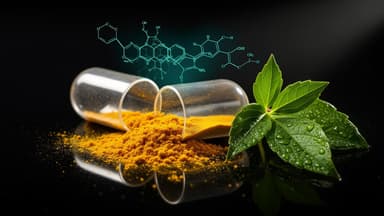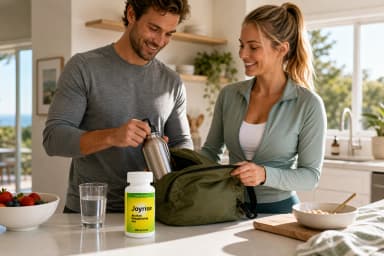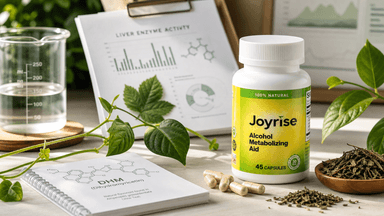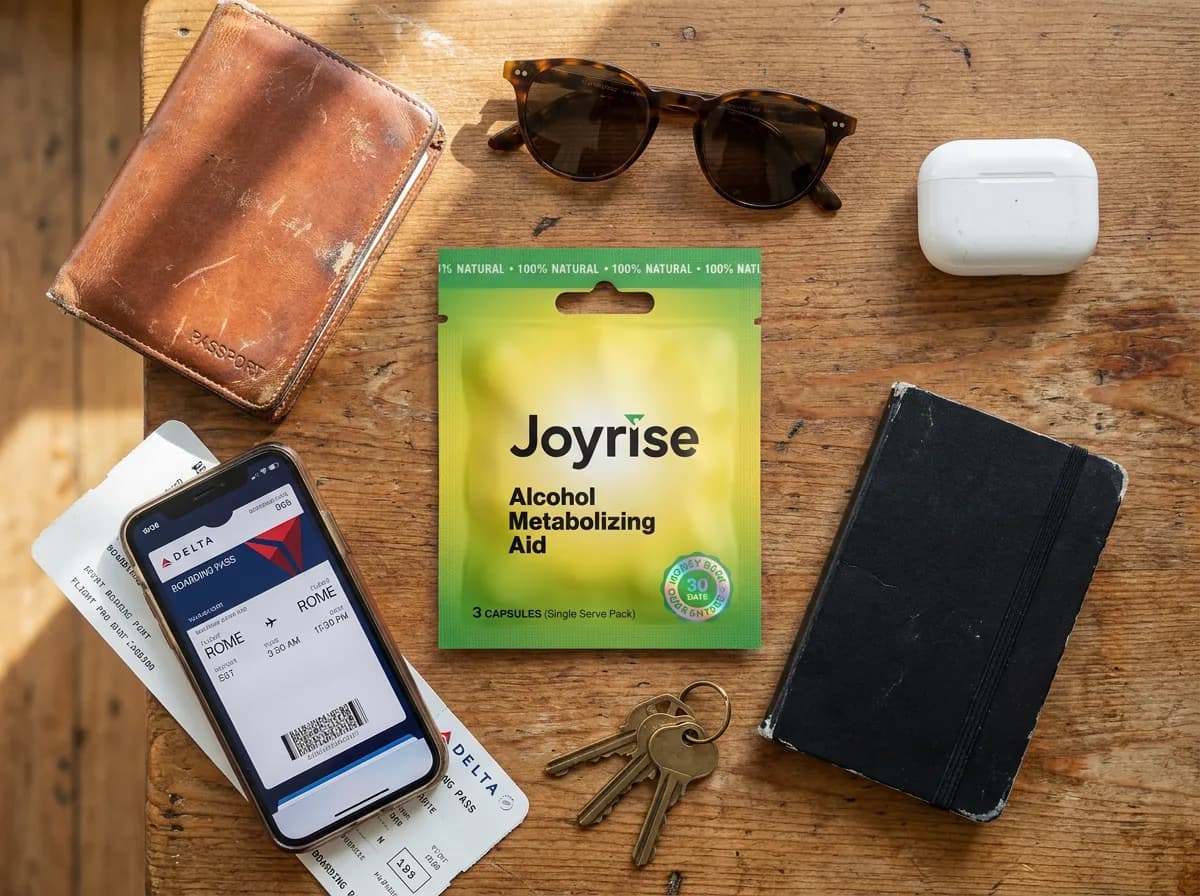
TL;DR: Joyrise®Designed for alcohol metabolism supportJoyrise capsules deliver our patented bioavailable DHM for alcohol metabolism support and next-morning clarity support. Follow the serving size, timing, and daily limit on your purchased Joyrise label. Shop Joyrise capsules →Supporting your liver during vacation drinking involves hydration, balanced meals, adequate sleep, moderation, and targeted supplements like DHM. Heavy episodic drinking, especially with dehydration and irregular meals, accelerates liver damage through oxidative stress and inflammation, regardless of weekly drinking habits. Incorporating alcohol-free days and choosing liver-friendly drinks can mitigate metabolic stress and promote better liver health amidst social festivities.
Liver support during vacation drinking is the practice of actively reducing the metabolic burden alcohol places on your liver through hydration, nutrition, sleep, and targeted supplementation. The liver is the body’s primary alcohol-processing organ, and vacation drinking patterns, including binge sessions and irregular meals, push it harder than most people realize. Understanding the role of liver support in vacation drinking is not about guilt or abstinence. It is about making informed choices so you can enjoy social events without quietly accumulating damage. Joyrise DHM, a supplement built around dihydromyricetin (DHM) from vine tea extract (Ampelopsis grossedentata), is one science-backed tool designed to support this process.
How does alcohol metabolism affect liver health during vacations?
The liver processes roughly 90% of the alcohol you consume, and it does not multitask well while doing so. When alcohol enters the bloodstream, the liver prioritizes alcohol metabolism over fat oxidation, which means fat accumulates in liver cells. This condition, called alcoholic fatty liver, is reversible with abstinence in two to eight weeks, but inflammation and fibrosis take considerably longer to resolve.
The biochemical sequence matters here. Alcohol converts to acetaldehyde, a compound more toxic than alcohol itself. Acetaldehyde damages liver cell proteins and DNA before it is further broken down into acetate. During a vacation where you drink heavily across multiple days, acetaldehyde accumulates faster than the liver can clear it, triggering oxidative stress and an inflammatory response.
Alcohol also increases intestinal permeability, a condition commonly called leaky gut. When the gut lining becomes permeable, bacterial toxins (lipopolysaccharides) migrate into the portal bloodstream and reach the liver directly. This gut-liver axis effect compounds the direct toxicity of alcohol and acetaldehyde, meaning the liver is fighting on two fronts simultaneously.
Fatty liver: Develops rapidly with sustained drinking; reversible with abstinence
Alcoholic hepatitis (inflammation): Slower to resolve; requires weeks to months of reduced intake
Fibrosis and cirrhosis: Long-term structural damage; partially reversible in early stages only
Up to 1 in 3 peoplewith alcohol use disorder will develop alcohol-associated liver disease. That statistic reflects chronic patterns, but the same metabolic pathways activate during a single heavy vacation week.
The liver produces more antioxidants naturally between 10 PM and 2 AM, making consistent sleep during a vacation one of the most underrated forms of liver support available.
Why are vacation drinking patterns especially risky for the liver?
Binge drinking is clinically defined as consuming four to five drinks within two hours. That definition fits the typical vacation happy hour, beach bar session, or holiday dinner with ease. The sudden metabolic load from binge drinking exceeds what the liver can process steadily, creating acute inflammatory spikes that compound across multiple days.
The misconception that “weekend-only” or “vacation-only” drinking is safe is one of the most persistent myths in liver health. Weekend binge drinking patterns can cause early-stage liver fibrosis and fatty liver even without daily drinking. Notably, nine out of ten excessive drinkers are not alcohol-dependent, which means the risk extends well beyond the population most people associate with liver disease.
Vacations layer additional stressors on top of alcohol. Dehydration from heat, sun exposure, or air travel reduces the liver’s ability to filter metabolic byproducts. Irregular meals mean alcohol absorbs faster into the bloodstream. Poor sleep disrupts the liver’s natural antioxidant cycle. Medical experts warn that episodic heavy drinking creates stress spikes the liver cannot recover from steadily, even in otherwise healthy individuals.
The table above illustrates why the same number of drinks hits harder on vacation. The liver is not just processing more alcohol. It is doing so under compounded physiological stress.
What practical strategies can support your liver while enjoying vacation drinks?
Liver support during holidays does not require abstinence. It requires structure. The following strategies reduce the metabolic burden on your liver without eliminating the social enjoyment that makes vacations worth taking.
Hydrate consistently. Drink 8 to 12 glasses of water daily during drinking periods. Water supports toxin filtration and reduces the metabolic burden on the liver during alcohol intake. Alternate one glass of water per alcoholic drink as a practical rule.
Eat before and during drinking. Balanced meals with protein and fiber slow alcohol absorption into the bloodstream, giving the liver more time to process each drink. A meal with lean protein, vegetables, and whole grains before a drinking session reduces peak blood alcohol concentration meaningfully.
Prioritize sleep. Aim for seven to nine hours per night. The liver’s natural antioxidant production peaks between 10 PM and 2 AM, and cutting that window short with late nights reduces the organ’s capacity to repair itself between drinking sessions.
Limit drinks per session. Spacing drinks out over time keeps acetaldehyde accumulation below the liver’s processing threshold. Two drinks over three hours is metabolically different from two drinks in thirty minutes, even though the alcohol volume is identical.
Consider DHM supplementation. Dihydromyricetin (DHM), the active flavonoid in Joyrise supplements, supports alcohol and acetaldehyde metabolism and activates the Nrf2 antioxidant pathway. Research on DHM’s liver function supportis growing, with studies showing reduced oxidative stress markers in alcohol-exposed liver cells. See when to take DHMfor timing guidance around drinking events.
Take alcohol-free days. Short breaks from alcohol reduce inflammation and allow cellular repair. Even one or two alcohol-free days within a seven-day vacation measurably reduces cumulative liver stress.
Skip the detox products. Juice cleanses and detox retreats have no validated physiological mechanism to flush liver toxins. Any benefit comes from the abstinence, hydration, and sleep that accompany them, not from the products themselves.
If you are traveling to a hot climate, increase your water intake beyond the standard 8 glasses. Heat and alcohol are both diuretics, and their combined effect on dehydration accelerates the liver’s metabolic stress significantly.
Which liver-friendly drinks help during vacations involving alcohol?
Liver-friendly travel drinks are beverages that support hydration, deliver antioxidants, or reduce the total alcohol load per session. The best practices for liver health during social events involve choosing what you drink as deliberately as how much you drink.
Water is the most effective liver support beverage available. It has no metabolic cost, supports kidney and liver filtration, and directly counters the dehydrating effect of alcohol. Sparkling water with citrus is a practical substitute between alcoholic drinks at social events.
Green tea and black coffee both contain polyphenols that support liver antioxidant activity. Studies consistently associate moderate coffee consumption with lower markers of liver inflammation. On vacation, iced coffee or unsweetened iced tea are realistic alternatives to a second or third alcoholic drink.
Grapefruit juice contains naringenin, a flavonoid with antioxidant properties. However, grapefruit interacts with certain medications by inhibiting CYP3A4 enzymes, so check with a physician if you take prescription drugs.
Water: Zero metabolic cost; directly supports liver filtration and hydration
Green tea: Polyphenols support antioxidant response; low caffeine versions work well in the evening
Black coffee: Associated with reduced liver inflammation markers in multiple studies
Kombucha: Provides probiotics that support gut health, which matters given alcohol’s effect on intestinal permeability
Non-alcoholic spirits and mocktails: Allow social participation without adding to the liver’s alcohol processing load
When you do drink alcohol, lower-sugar options reduce the combined metabolic load. Spirits with soda water carry less sugar than frozen cocktails or sweet mixers. Understanding how drinks shape your event can help you plan a social occasion that is enjoyable without overwhelming your liver’s capacity.
Key takeaways
Liver support during vacation drinking works because it directly reduces the metabolic load alcohol places on the liver through hydration, sleep, nutrition, moderation, and targeted supplementation.
The honest truth about vacation drinking and liver health
At Joyrise, we spend a lot of time reading the hepatology literature, and the finding that surprises most people is this: the liver does not care whether you drink daily or only on vacation. It responds to the metabolic load in front of it, not your weekly average. The cumulative injury from episodic binge drinkingdoes not reset because you had five alcohol-free weekdays before it.
The detox myth is the other issue worth addressing directly. Juice cleanses, activated charcoal shots, and “liver flush” supplements have no validated mechanism for removing alcohol metabolites. The liver is not a filter that clogs and needs cleaning. It is a metabolically active organ that needs reduced input, adequate nutrition, and sleep to function well. That is the entire science of liver support, and no product changes that equation.
What DHM does, and why we built Joyrise around it, is different. Dihydromyricetin is a natural flavonoid from traditional East Asian medicine with peer-reviewed evidence supporting its role in alcohol and acetaldehyde metabolism and Nrf2-mediated antioxidant response. It does not sober you up or prevent intoxication. It supports the metabolic processes your liver is already running. That distinction matters, and we will never overstate it.
The most effective approach to vacation liver health is structural: drink less per session, eat before you drink, sleep consistently, and hydrate aggressively. Supplements like Joyrise DHM fit into that structure as support, not substitutes for it. Anyone telling you otherwise is selling something the liver does not need.
— Joyrise
Support your liver this vacation season with Joyrise DHM
Joyrise DHM supplements are built around dihydromyricetin, a patented flavonoid from Ampelopsis grossedentata (vine tea extract) with study-backed support for alcohol metabolism, acetaldehyde processing, and Nrf2 antioxidant activation. For people who drink socially on vacation or at events, Joyrise provides a science-grounded tool to support liver function and next-morning clarity without overstating what supplements can do. Explore the full DHM supplement guideto understand dosing, timing, and the research behind the formula. For optimal results, pair Joyrise with the hydration, sleep, and moderation strategies outlined in this article.
FAQ
What does liver support mean during vacation drinking?
Liver support during vacation drinking means actively reducing the metabolic burden alcohol places on the liver through hydration, balanced meals, adequate sleep, alcohol moderation, and targeted supplementation like DHM. It is not a detox process. It is a set of behaviors that keep the liver’s workload within a manageable range.
How does binge drinking on vacation damage the liver?
Binge drinking, defined as four to five drinks within two hours, floods the liver with acetaldehyde faster than it can process it, triggering oxidative stress and inflammation. Repeated across multiple vacation days, this pattern can cause fatty liver and early fibrosis even in people who do not drink daily.
Do alcohol-free days during a vacation actually help the liver?
Short breaks from alcohol reduce inflammation and allow cellular repair, with measurable improvements in liver function markers. Even one or two alcohol-free days within a seven-day vacation reduce the cumulative metabolic stress on the organ.
Can DHM supplements support liver health during vacation drinking?
Dihydromyricetin (DHM) supports alcohol and acetaldehyde metabolism and activates the Nrf2 antioxidant pathway, which helps the liver manage oxidative stress during drinking. Joyrise DHM is not a cure or treatment for liver disease, but it is a study-backed supplement that supports the liver’s existing metabolic processes.
Are juice cleanses effective for liver recovery after vacation drinking?
No validated physiological mechanism exists for juice cleanses removing alcohol metabolites from the liver. Any recovery benefit comes from the abstinence, hydration, reduced calorie intake, and improved sleep that typically accompany a cleanse, not from the cleanse itself.
Recommended
The Silent Protector: DHM Beyond Alcohol
Travel Hangover Relief Support | Joyrise
Hangover Relief and Remedies Guide | Joyrise
The Role of Liver Alcohol Processing Explained | Joyrise Blog
Designed for alcohol metabolism support. Made by Joyrise®.
Related: the science/ what is DHM/ DHM hangover relief/ hangover relief capsules.
Important: These statements have not been evaluated by the FDA. Joyrise is not intended to diagnose, treat, cure, or prevent any disease. Follow the exact product label. Joyrise does not reduce impairment or BAC.
Source trail
References and further reading.
Links are preserved from the article so readers can inspect the underlying material. A link does not mean every finding applies to Joyrise or predicts a finished-product outcome.
Suggested citation
Joyrise Science Team. “Liver Support and Vacation Drinking: Your 2026 Guide.” The Joyrise Journal, June 12, 2026. https://www.joyrise.com/blog/liver-support-and-vacation-drinking-your-2026-guide