TL;DR: Vine tea contains dihydromyricetin, a flavonoid that acts as a free radical scavenger and activates the body’s antioxidant defenses. Its brewing method impacts antioxidant pathways, with cold brew preserving intact DHM and hot brew producing beneficial degradation products. Supplement quality, especially formulation and bioavailability, determines its effectiveness for liver support and systemic inflammation reduction.
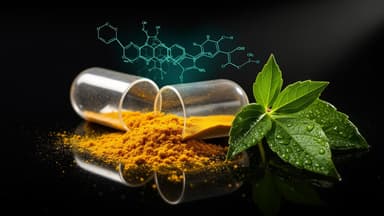
Vine tea antioxidant activity is defined by dihydromyricetin (DHM), a natural flavonoid extracted from Ampelopsis grossedentata that acts as both a direct free radical scavenger and an activator of the body’s own antioxidant defenses. DHM scavenges reactive carbonyl species at 70.1% efficiency for methylglyoxal and 70.3% for acrolein within two hours at body temperature. That dual action, targeting harmful compounds directly while also triggering the Nrf2-Keap1 pathway to boost endogenous enzymes, sets DHM apart from most dietary flavonoids. For health-conscious adults who drink alcohol, this mechanism has direct relevance to liver function and next-morning clarity.
What makes vine tea antioxidant-rich?
Vine tea draws its antioxidant strength from a concentrated flavonoid profile. DHM is the dominant compound, but Ampelopsis grossedentata also contains myricetin, polysaccharides, and trace phenolic acids. DHM’s molecular structure carries multiple hydroxyl groups arranged to donate electrons to free radicals, neutralizing them before they damage cell membranes or DNA. That structural advantage explains why DHM outperforms many common plant antioxidants in head-to-head scavenging assays.
The way you brew vine tea changes which antioxidant pathways are active. Hot and cold brewing use distinct chemical mechanisms. Hot water causes partial DHM degradation, and the resulting thermal breakdown products retain meaningful reactive carbonyl species scavenging ability. Cold brewing preserves intact DHM, which scavenges dose-dependently as concentration rises. Neither method is strictly superior. The right choice depends on whether you want intact DHM or a broader mix of degradation products.
Steep vine tea at 80–85°C rather than boiling. High heat degrades intact DHM faster than it creates useful breakdown products, reducing the total antioxidant yield in your cup.
Myricetin, the second major flavonoid in vine tea, adds anti-inflammatory activity by suppressing pro-inflammatory signaling independent of DHM. The polysaccharide fraction supports gut barrier integrity, which indirectly reduces the oxidative burden on the liver. Together, these compounds create a layered antioxidant profile that no single-compound extract can replicate.
How do vine tea antioxidants support liver health and alcohol metabolism?
DHM supports liver health through two parallel biochemical routes. The first is direct enzyme upregulation. DHM increases the activity of alcohol dehydrogenase (ADH) and aldehyde dehydrogenase (ALDH), the two enzymes responsible for converting ethanol into acetate. Faster clearance of ethanol and its toxic intermediate, acetaldehyde, reduces the oxidative load on liver cells during and after drinking.
The second route runs through the Nrf2-Keap1 pathway. DHM activates Nrf2, which signals the liver to produce more glutathione peroxidase, catalase (CAT), and superoxide dismutase (SOD). These endogenous enzymes neutralize the reactive oxygen species generated during alcohol metabolism. The result is a measurable reduction in oxidative stress at the cellular level, not just a temporary antioxidant boost from the tea itself.
Animal research published in 2025 showed that DHM at 75–150 mg/kg/day over seven weeks reduced abnormal ALT and AST liver enzyme levels and decreased liver steatosis in alcohol-fed mice. Elevated ALT and AST are standard clinical markers of liver cell damage. That reduction signals less active injury, not just symptom relief. These are preclinical findings, and human clinical data remain limited, but the mechanistic consistency across multiple studies is notable.
DHM also acts on the central nervous system. It antagonizes GABA-A receptors, which alcohol overstimulates. This CNS action reduces rebound anxiety, sleep fragmentation, and the grogginess associated with next-morning hangover symptoms. That makes DHM unusual among plant antioxidants: it addresses both the liver-side oxidative damage and the brain-side receptor disruption that alcohol causes.
Key liver-support mechanisms of DHM:
ADH/ALDH upregulation: Accelerates ethanol and acetaldehyde clearance, reducing toxic intermediate buildup.
Nrf2-Keap1 activation: Triggers production of glutathione peroxidase, CAT, and SOD for sustained antioxidant defense.
ALT/AST reduction: Preclinical evidence shows lower liver injury markers after consistent DHM dosing.
GABA-A receptor antagonism: Counters alcohol-induced CNS disruption, supporting next-morning clarity.
Oxidative stress reduction: Lowers reactive oxygen species during alcohol metabolism at the cellular level.
Take DHM before or during alcohol consumption, not only the morning after. The liver-protective and enzyme-upregulating effects work best when DHM is present while alcohol is being metabolized, not after the damage has already occurred. See when to take DHMfor timing guidance.
How does vine tea affect inflammation and gut microbiota?
Vine tea flavonoids do more than protect the liver in isolation. They reshape the gut environment in ways that reduce systemic oxidative stress throughout the body. Research on Ampelopsis grossedentata flavonoids shows they increase beneficial gut microbes, specifically Akkermansia and Lactobacillus species, while suppressing pathogenic bacteria that drive gut permeability and inflammation.
Akkermansia muciniphila is a well-studied gut bacterium associated with stronger intestinal barrier function and lower metabolic inflammation. When vine tea flavonoids increase its population, the gut lining becomes less permeable to bacterial endotoxins. Fewer endotoxins crossing into the bloodstream means less activation of the liver’s immune cells (Kupffer cells), which are a major source of pro-inflammatory cytokines like IL-6 and TNF-α during alcohol exposure.
The same seven-week animal study that documented liver enzyme improvements also found that Ampelopsis grossedentata flavonoids significantly increased liver catalase and SOD activity. That increase in endogenous antioxidant enzyme activity correlates directly with the gut microbiota changes. The gut-liver axis is the mechanism: a healthier gut reduces the inflammatory signal reaching the liver, and the liver responds with stronger antioxidant output.
This systemic effect extends beyond liver health. Reduced circulating IL-6 and TNF-α lower the chronic inflammatory burden on joints, blood vessels, and metabolic tissue. For health-conscious adults who are not heavy drinkers, this anti-inflammatory vine tea effect still applies. The flavonoids work on the gut-liver axis regardless of alcohol exposure, which means daily vine tea consumption supports metabolic health more broadly than its reputation as a hangover herb suggests.
What is the right dosage and form of DHM for daily wellness?
Dosage determines whether DHM delivers its antioxidant benefits or simply passes through unused. Standard antioxidant support calls for 300–600 mg of DHM daily. Acute alcohol support, where faster enzyme upregulation and Nrf2 activation matter most, typically requires doses at the higher end or above that range. The exact threshold depends on body weight, alcohol intake, and formulation quality.
Formulation quality is the variable most people overlook. Raw DHM powder has roughly 4% oral bioavailability. That means 96% of a standard capsule never reaches systemic circulation in active form. Phospholipid-complexed DHM and micronized DHM formulations solve this problem by improving absorption across the gut wall. The difference in efficacy between a well-formulated supplement and a raw powder product at the same milligram dose is substantial.
Safety data on DHM is reassuring. Extended use at standard doses has not produced adverse effects in available research. DHM does not appear to interact with common medications at typical supplement doses, though anyone on prescription liver medications should consult a physician before adding any supplement. The peer-reviewed research on DHMconsistently shows a favorable safety profile across the dose ranges studied.
Avoid low-dose raw powder products marketed as “vine tea extract.” If the label does not specify micronized or phospholipid-complexed DHM and lists less than 300 mg per serving, the product is unlikely to deliver meaningful antioxidant or liver-support benefits. Check the DHM supplement guidefor formulation standards worth looking for.
Key Takeaways
Vine tea’s antioxidant power comes from DHM’s dual mechanism: direct free radical scavenging and Nrf2-driven enzyme activation, making formulation quality the single most important variable in supplement efficacy.
The case for taking vine tea antioxidants seriously
Most antioxidant supplements make broad claims and deliver narrow mechanisms. DHM is different, and the research makes that clear. What stands out to us at Joyrise is not just that DHM scavenges free radicals. It is that DHM activates the liver’s own antioxidant machinery through Nrf2, meaning the benefit compounds over time rather than peaking and fading with each dose.
The gut microbiota findings are the part of the vine tea story that most people miss entirely. Flavonoids from Ampelopsis grossedentata do not just act in the liver. They reshape the microbial environment in the gut, which then reduces the inflammatory signal reaching the liver. That is a systemic effect, and it explains why consistent vine tea consumption shows benefits beyond acute alcohol support.
The honest gap in the research is human clinical trials. Most of the mechanistic data comes from animal models. The biochemistry is consistent and the preclinical results are strong, but the field needs well-designed human studies to confirm dose-response relationships and long-term safety at higher doses. That work is underway, and 2026 is producing new research directions, particularly around bioavailability and the gut-liver axis. We follow this research closely because it directly shapes how Joyrise formulates its products.
The practical takeaway is this: formulation matters more than milligrams on the label. A 600 mg raw powder capsule delivers less active DHM than a 300 mg phospholipid-complexed dose. If you are evaluating vine tea antioxidant supplements, the formulation specification is the first thing to check, not the price.
— Joyrise
Joyrise DHM: formulated for real antioxidant results
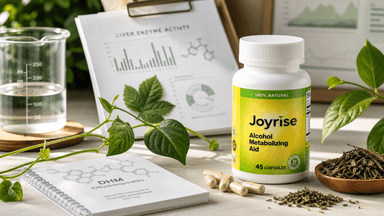
Vine tea’s antioxidant benefits are only as good as the DHM that actually reaches your bloodstream. Joyrise builds its supplements around patented, high-bioavailability DHM formulations designed to activate the Nrf2-Keap1 pathway, support alcohol and acetaldehyde metabolism, and deliver next-morning clarity for people who choose to drink.
Every Joyrise product is grounded in peer-reviewed research, not marketing claims. If you want to understand the full science behind DHM’s antioxidant and liver-support mechanisms, the Joyrise DHM science pagecovers the biochemistry in detail. For practical guidance on choosing the right formulation and dose, the DHM supplement guide walks through what to look for and why formulation quality separates effective products from ineffective ones.
FAQ
What is the main antioxidant compound in vine tea?
Dihydromyricetin (DHM), a flavonoid from Ampelopsis grossedentata, is vine tea’s primary antioxidant. It scavenges reactive carbonyl species at over 70% efficiency and activates the Nrf2-Keap1 pathway to boost the liver’s own antioxidant enzymes.
How does vine tea support alcohol metabolism?
DHM upregulates alcohol dehydrogenase (ADH) and aldehyde dehydrogenase (ALDH), the enzymes that break down ethanol and acetaldehyde. It also activates Nrf2, increasing glutathione and SOD production to reduce oxidative stress during alcohol metabolism.
What is the best way to brew vine tea for antioxidants?
Cold brewing at room temperature for 8–12 hours preserves intact DHM for maximum dose-dependent scavenging. Hot brewing at 80–85°C produces a broader range of antioxidant compounds through thermal degradation but reduces intact DHM concentration.
How much DHM do you need for antioxidant benefits?
Research supports 300–600 mg of DHM daily for antioxidant and liver support. Bioavailability matters as much as dose: phospholipid-complexed or micronized formulations absorb far better than raw powder, which has roughly 4% oral bioavailability.
Does vine tea reduce inflammation beyond the liver?
Yes. Vine tea flavonoids increase beneficial gut bacteria like Akkermansia and Lactobacillus, which strengthens the gut barrier and reduces pro-inflammatory cytokines such as IL-6 and TNF-α throughout the body, not just in the liver.
Recommended
Hangover Prevention: What Helps and What Does Not | Joyrise
The Silent Protector: DHM Beyond Alcohol
The Science of DHM — Peer-Reviewed Research | Joyrise®
What Is DHM? The Science of Dihydromyricetin | Joyrise®
Backed by Joyrise science. Made by Joyrise®.
Related: the science/ what is DHM/ DHM hangover relief/ hangover relief capsules.
Important: These statements have not been evaluated by the FDA. Joyrise is not intended to diagnose, treat, cure, or prevent any disease. Follow the exact product label. Joyrise does not reduce impairment or BAC.
Suggested citation
Joyrise Science Team. “Vine Tea Antioxidant Benefits: What the Science Shows.” The Joyrise Journal, July 17, 2026. https://www.joyrise.com/blog/vine-tea-antioxidant-benefits-what-the-science-shows