TL;DR: Alcohol disrupts sleep, dehydrates the body, and depletes cellular energy, resulting in prolonged fatigue. Proper hydration, pacing drinks, and supporting liver metabolism with supplements like DHM can significantly reduce next-morning exhaustion. Recognizing individual responses to alcohol and addressing all contributing factors leads to better recovery and morning alertness.
Alcohol drains next morning energy through three simultaneous physiological disruptions: fragmented sleep, dehydration, and a metabolic shift that starves your cells of fuel. These are not separate problems. They compound each other, which is why hangover fatigue lasts 8–24 hours even after a full night in bed. The clinical term for this cluster of symptoms is veisalgia, though most people simply call it a hangover. Understanding why alcohol affects next morning energy at the biological level is the first step toward doing something about it.
How does alcohol disrupt sleep and cause morning fatigue?
Alcohol does not improve sleep. It sedates you, which is a different thing entirely. The sedation effect helps you fall asleep faster, but it fragments sleep and suppresses REM in the second half of the night. REM sleep is where the brain consolidates memory, processes emotion, and restores cognitive function. Without it, you wake up mentally foggy regardless of how many hours you spent in bed.
The mechanism behind this is a rebound effect. Alcohol enhances GABA, the brain’s primary inhibitory neurotransmitter, which slows neural activity and induces drowsiness. As alcohol clears from your system around 3–4 a.m., GABA activity drops and glutamate surges as a rebound response. Glutamate is excitatory. That surge triggers micro-arousals, light sleep, and early waking. You may not fully wake up, but your brain cycles out of deep sleep repeatedly.
The practical result is striking. Eight hours of alcohol-affected sleep is often less restorative than five to six hours of natural sleep. The architecture of sleep matters more than the duration. Alcohol collapses that architecture.
Key sleep disruptions caused by alcohol:
REM suppression: Cognitive recovery, emotional processing, and memory consolidation are all impaired.
Sleep fragmentation: Frequent micro-arousals prevent sustained deep sleep stages.
Early waking: Rebound glutamate activity pulls the brain toward wakefulness in the early morning hours.
Circadian disruption: Alcohol impairs cortisol and growth hormone cycles, both of which regulate energy and tissue repair during sleep.
If you drink in the evening, avoid alcohol within three hours of bedtime. This reduces the overlap between peak blood alcohol concentration and your first deep sleep cycle, preserving more restorative sleep architecture.
What role does dehydration play in next-morning energy loss?
Dehydration is one of the most direct causes of morning fatigue after drinking. Alcohol suppresses antidiuretic hormone (ADH), the signal that tells your kidneys to retain water. Without ADH, your kidneys excrete far more fluid than you consumed. The result is a net fluid deficit that persists through the night.
That fluid loss carries minerals with it. Alcohol accelerates loss of potassium and magnesium, two electrolytes that are critical for muscle contraction, nerve signaling, and cellular energy production. Low magnesium specifically impairs ATP synthesis, the process that powers every cell in your body. Low potassium causes muscle weakness and cognitive slowness. Both deficits feel identical to general exhaustion, which is why dehydration and hangover fatigue are so hard to separate.
Steps to counter alcohol-related dehydration:
Drink water before bed. One to two large glasses after your last drink begins rehydration before symptoms set in.
Add electrolytes. Plain water does not replace potassium or magnesium. Use an electrolyte tablet or a drink that contains both minerals.
Eat before and during drinking. Food slows alcohol absorption and reduces the diuretic effect on your kidneys.
Continue hydrating in the morning. Symptoms peak as blood alcohol drops to zero, so morning hydration directly addresses the worst of the fatigue.
Coconut water contains natural potassium and is an effective morning rehydration option. Pair it with a magnesium glycinate supplement if muscle fatigue or headaches are your primary symptoms.
How does alcohol alter metabolism and deplete cellular energy?
The liver is the cleanup crew for alcohol. Every drink you consume gets routed through the liver for processing, and that process consumes NAD+, a coenzyme that mitochondria require to produce ATP. ATP is the energy currency of every cell in your body. When NAD+ is depleted by alcohol metabolism, mitochondrial energy production slows across the entire body, not just in the liver. That is why alcohol fatigue feels physical and mental at the same time.
The liver also creates a metabolic shift that compounds the problem. As it breaks down ethanol, it produces acetate as a byproduct. The body burns acetate preferentially over fats and carbohydrates, sidelining normal fuel pathways. Fat oxidation and glucose metabolism both slow down. The result is a body running on a low-grade, inefficient fuel source while its primary energy systems sit idle.
Acetaldehyde is the most toxic intermediate in this process. Before ethanol converts to acetate, it passes through acetaldehyde, a reactive compound that activates inflammatory pathwaysand contributes directly to headache, nausea, and malaise. The faster acetaldehyde clears, the faster symptoms resolve. The liver processes roughly one standard drink per hour. Exceeding that rate saturates detox pathways and extends the toxic state.
Why do some people feel exhausted after just a small amount of alcohol?
Alcohol fatigue syndrome is often misread as a standard hangover, but it reflects a deeper disruption of the brain’s energy regulation systems. Even one or two drinks can trigger disproportionate fatigue in some people. The reason is neurotransmitter sensitivity. Alcohol enhances GABA and suppresses glutamate, creating a state of neural inhibition that extends well beyond the drinking window. When that inhibition lifts, the brain does not snap back to baseline immediately.
Serotonin and dopamine are also affected. Both neurotransmitters regulate mood, motivation, and the subjective sense of having energy. Alcohol causes a short-term spike in both, followed by a trough that can last well into the next day. That trough is experienced as low motivation, flat mood, and mental heaviness, all of which register as fatigue even when the body is physically rested.
Cortisol rhythm disruption adds another layer. Alcohol elevates cortisol during the night, which interferes with the normal cortisol morning surge that signals the body to wake up and feel alert. People who drink regularly may find this disruption compounds over time, creating a cycle where fatigue persists for days after a single drinking episode.
Signs that point to alcohol fatigue syndrome rather than a simple hangover:
Fatigue that outlasts other hangover symptoms by a full day or more
Low motivation and flat mood even after hydrating and eating
Cognitive fog that persists despite adequate sleep duration
Disproportionate exhaustion relative to the amount consumed
Recurring fatigue with even moderate drinking patterns
Practical ways to reduce next-morning energy depletion
Recovery from alcohol-related fatigue is not about finding a miracle fix. No single cure exists. What works is addressing each disruption directly and giving the liver time to finish its work. The liver processes about one standard drink per hour. Pacing your drinking to match that rate is the single most effective way to reduce acetaldehyde accumulation and next-day fatigue.
Strategies that address the core mechanisms:
Hydrate with electrolytes before, during, and after drinking to counter ADH suppression and mineral loss.
Eat a balanced meal before drinking to slow alcohol absorption and stabilize blood sugar through the night.
Pace your drinks to one per hour, allowing the liver to clear each drink before the next arrives.
Prioritize sleep hygiene by keeping the room cool and dark, and avoiding screens after drinking to reduce the impact of sleep fragmentation.
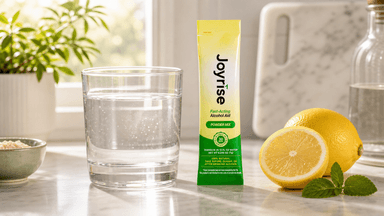
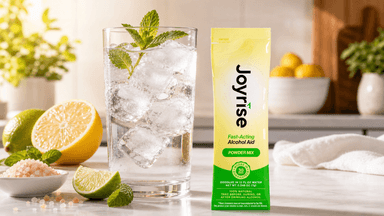
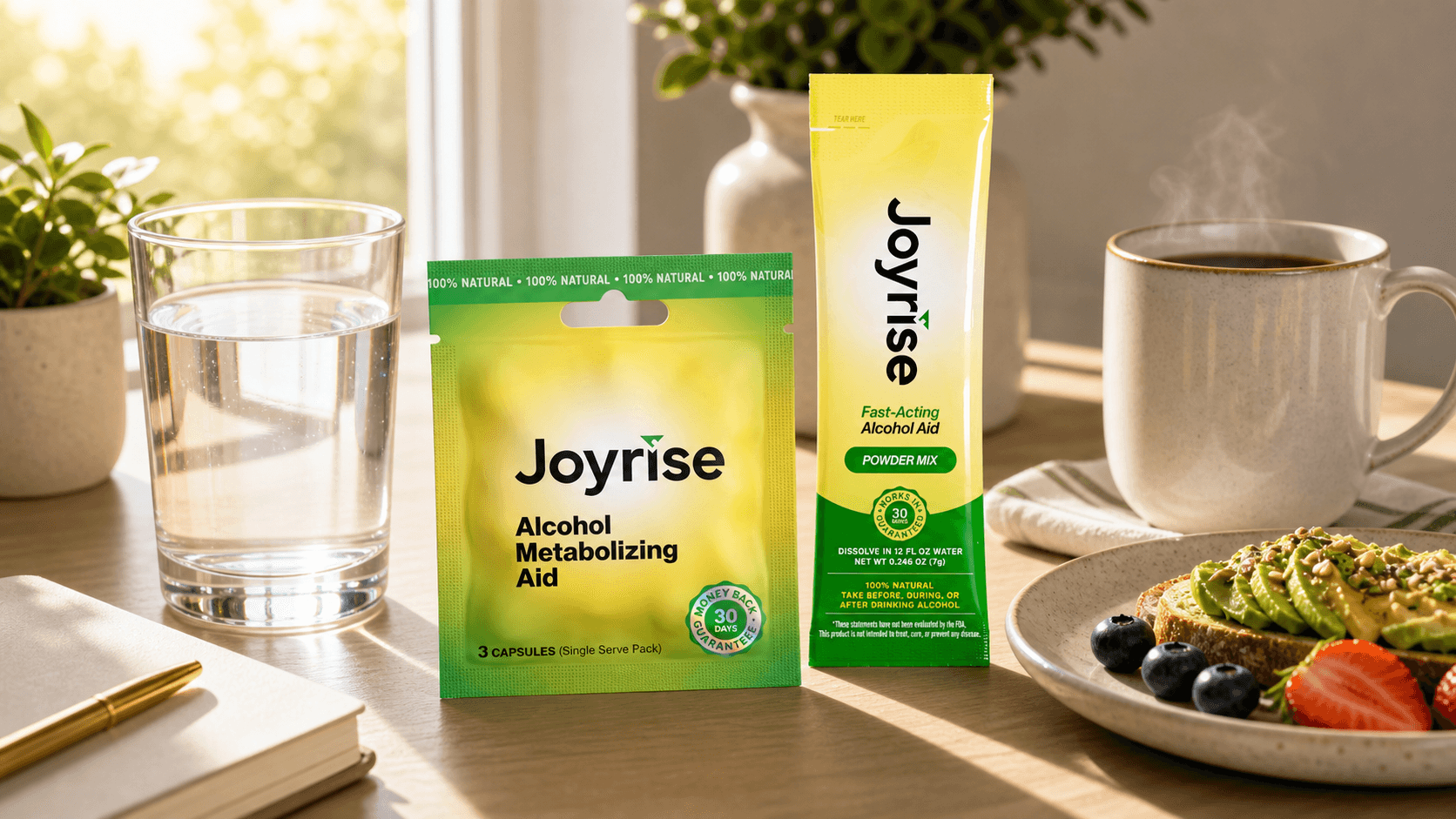
Support acetaldehyde metabolism with DHM (dihydromyricetin), a natural flavonoid from vine tea (Ampelopsis grossedentata) that has been studied for its role in supporting alcohol metabolism and antioxidant defense. Joyrise DHM supports acetaldehyde clearanceand Nrf2 antioxidant response, complementing hydration and pacing rather than replacing them.
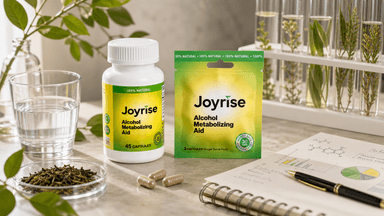
Take Joyrise DHM capsules with your last drink or immediately before bed. Timing matters because DHM works alongside the liver’s processing window, not after the damage is done. See when to take DHMfor the full timing guide.
Key takeaways
Alcohol depletes next morning energy through sleep fragmentation, dehydration, NAD+ depletion, and acetaldehyde buildup, and addressing all four mechanisms together produces the fastest recovery.
What we’ve learned from watching people chase morning energy after drinking
Most people focus on the wrong problem. They reach for coffee, which interacts with morning alertness differently than most people expect, especially after alcohol has already disrupted adenosine receptor sensitivity overnight. Caffeine masks fatigue without addressing the cellular energy deficit underneath it. The result is a short window of alertness followed by a harder crash.
The harder truth is that the liver has a fixed processing rate and no supplement changes that. What supplements like Joyrise DHM can do is support the metabolic environment around that process, helping the body manage acetaldehyde and oxidative stress more efficiently while the liver does its work. That is a meaningful difference, but it is not a shortcut.
What actually moves the needle is the combination: pacing drinks to match liver capacity, hydrating with electrolytes before bed, eating real food, and protecting sleep quality. DHM fits into that system as a support layer, not a replacement for any of it. People who treat it as one tool among several consistently report better mornings than those who rely on any single strategy alone.
The other thing worth saying plainly: alcohol fatigue syndrome is real and underdiagnosed. If you find yourself exhausted for a full day after moderate drinking, that is not a character flaw or a low tolerance. It is a neurotransmitter and metabolic response that varies significantly between individuals. Recognizing it for what it is makes it easier to address with the right combination of hydration, nutrition, pacing, and targeted support.
— Joyrise
Support your next morning with Joyrise DHM
Joyrise DHM capsules are formulated around dihydromyricetin, a patented natural flavonoid studied for its role in supporting alcohol and acetaldehyde metabolism, liver function, and Nrf2 antioxidant response. Each capsule is designed to work during the liver’s processing window, not after symptoms have already set in. Joyrise positions DHM as a complement to hydration, pacing, and sleep, not a substitute for any of them. For adults who drink socially and want to protect their next morning, the hangover relief capsulesare the starting point. Read the full science behind the formula at the DHM supplement guideto understand exactly how it supports your body’s recovery process.
FAQ
Why do I feel so tired after drinking even if I slept 8 hours?
Alcohol suppresses REM sleep and causes sleep fragmentation, making eight hours of alcohol-affected sleep less restorative than shorter natural sleep. The brain does not complete the cognitive recovery cycles it needs, leaving you mentally and physically fatigued regardless of total sleep time.
How long does alcohol-related fatigue typically last?
Hangover symptoms including fatigue generally begin 6–8 hours after alcohol intake and last 8–24 hours as the body clears acetaldehyde and rehydrates. The exact duration depends on how much was consumed, individual metabolism, and how well hydration and nutrition were maintained.
Does dehydration alone explain morning fatigue after drinking?
Dehydration contributes significantly, but it is not the only cause. Electrolyte loss, NAD+ depletion, acetaldehyde buildup, and disrupted sleep architecture all compound the fatigue. Rehydrating with electrolytes addresses one layer; supporting the full metabolic recovery requires additional steps.
What is alcohol fatigue syndrome?
Alcohol fatigue syndrome is a state of deeper energy system dysregulation caused by neurotransmitter imbalance, NAD+ depletion, and nutrient loss that goes beyond a standard hangover. It can cause disproportionate fatigue, low motivation, and cognitive fog even after small amounts of alcohol.
Can DHM supplements help with morning energy after drinking?
DHM (dihydromyricetin) supports acetaldehyde metabolism and antioxidant defense, which addresses two of the core drivers of next-morning fatigue. Joyrise DHM is designed to complement hydration and pacing, not replace them. See the full DHM sciencefor the peer-reviewed research behind the ingredient.
Recommended
Could DHM Protect Your Brain From Alzheimer’s?
Joyrise Hangover Relief Capsules | Patented DHM Alcohol Support
Alcohol Metabolism Support Supplement | Joyrise DHM
How Long Does a Hangover Last? What Science Says | Joyrise
Designed for alcohol metabolism support. Made by Joyrise®.
Related: the science/ what is DHM/ DHM hangover relief/ hangover relief capsules.
Important: These statements have not been evaluated by the FDA. Joyrise is not intended to diagnose, treat, cure, or prevent any disease. Follow the exact product label. Joyrise does not reduce impairment or BAC.
Source trail
References and further reading.
Links are preserved from the article so readers can inspect the underlying material. A link does not mean every finding applies to Joyrise or predicts a finished-product outcome.
Suggested citation
Joyrise Science Team. “Why Alcohol Affects Next Morning Energy Levels.” The Joyrise Journal, June 20, 2026. https://www.joyrise.com/blog/why-alcohol-affects-next-morning-energy-levels